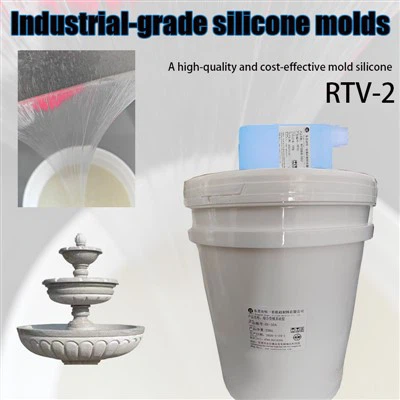
High-elasticity silicone, known for its remarkable flexibility and resilience, has become a highly sought-after material in various industries. As a leading supplier of high-elasticity silicone, I often encounter questions about its moldability. In this blog post, I will delve into the topic of whether high-elasticity silicone can be molded, exploring the process, advantages, and applications.
Understanding High-Elasticity Silicone
Before discussing its moldability, it's essential to understand what high-elasticity silicone is. High-elasticity silicone is a type of elastomer that exhibits excellent elasticity, allowing it to stretch and return to its original shape without permanent deformation. This property makes it ideal for applications where flexibility and durability are required.
High-elasticity silicone is typically made from a combination of silicone polymers and additives that enhance its elasticity and other properties. These additives can include fillers, plasticizers, and cross-linking agents, which help to improve the material's strength, tear resistance, and heat resistance.
Can High-Elasticity Silicone Be Molded?
The short answer is yes, high-elasticity silicone can be molded. In fact, molding is one of the most common manufacturing processes used to produce high-elasticity silicone products. Molding allows for the creation of complex shapes and designs with high precision and consistency.
There are several molding techniques that can be used to mold high-elasticity silicone, including compression molding, injection molding, and transfer molding. Each technique has its own advantages and disadvantages, and the choice of molding method depends on the specific requirements of the product.
Compression Molding
Compression molding is a simple and cost-effective method for molding high-elasticity silicone. In this process, a pre-measured amount of silicone material is placed in a mold cavity, and then a heated press is used to apply pressure to the material, causing it to flow and fill the mold. The mold is then cooled, and the finished product is removed.
Compression molding is suitable for producing large, simple-shaped products with relatively low production volumes. It is also a good option for products that require a high degree of precision and consistency.
Injection Molding
Injection molding is a more advanced and efficient method for molding high-elasticity silicone. In this process, the silicone material is melted and injected into a mold cavity under high pressure. The mold is then cooled, and the finished product is ejected.
Injection molding is suitable for producing small, complex-shaped products with high production volumes. It is also a good option for products that require a high degree of precision and consistency.
Transfer Molding
Transfer molding is a hybrid of compression molding and injection molding. In this process, the silicone material is placed in a transfer pot, and then a heated press is used to apply pressure to the material, causing it to flow through a sprue and into the mold cavity. The mold is then cooled, and the finished product is removed.
Transfer molding is suitable for producing medium-sized products with complex shapes and designs. It is also a good option for products that require a high degree of precision and consistency.
Advantages of Molding High-Elasticity Silicone
Molding high-elasticity silicone offers several advantages over other manufacturing processes. Some of the key advantages include:
Design Flexibility
Molding allows for the creation of complex shapes and designs with high precision and consistency. This makes it possible to produce products that meet the specific requirements of customers.
Cost-Effectiveness
Molding is a cost-effective method for producing high-elasticity silicone products, especially for large production volumes. The cost of molding equipment and tooling is relatively low, and the production process is highly efficient.
High Quality
Molding produces high-quality products with excellent mechanical properties, such as elasticity, strength, and tear resistance. The products are also resistant to heat, chemicals, and weathering, making them suitable for a wide range of applications.
Consistency
Molding ensures consistent product quality, as each product is produced using the same mold and process. This makes it possible to produce products with high precision and accuracy.
Applications of Molded High-Elasticity Silicone Products
Molded high-elasticity silicone products are used in a wide range of industries, including automotive, aerospace, medical, electronics, and consumer goods. Some of the common applications of molded high-elasticity silicone products include:
Seals and Gaskets
High-elasticity silicone seals and gaskets are used to prevent the leakage of fluids and gases in various applications, such as automotive engines, industrial machinery, and electronic devices.
O-Rings
O-rings are circular seals that are used to prevent the leakage of fluids and gases in hydraulic and pneumatic systems. High-elasticity silicone O-rings are known for their excellent sealing properties and resistance to high temperatures and chemicals.


Medical Devices
High-elasticity silicone is widely used in the medical industry to produce a variety of medical devices, such as catheters, tubing, and implants. Silicone is biocompatible, non-toxic, and resistant to bacteria and fungi, making it an ideal material for medical applications.
Electronics
High-elasticity silicone is used in the electronics industry to produce a variety of electronic components, such as keypads, connectors, and gaskets. Silicone is a good insulator and has excellent electrical properties, making it suitable for use in electronic devices.
Consumer Goods
High-elasticity silicone is used in the consumer goods industry to produce a variety of products, such as kitchen utensils, toys, and sporting goods. Silicone is safe, durable, and easy to clean, making it an ideal material for consumer products.
Related Products
In addition to high-elasticity silicone, we also offer a range of other silicone products, including Conductive Silicone, Anti-Sublimation Silicone, and Leather Coating Silicone. These products are designed to meet the specific needs of our customers in various industries.
Conclusion
In conclusion, high-elasticity silicone can be molded using a variety of techniques, including compression molding, injection molding, and transfer molding. Molding offers several advantages over other manufacturing processes, including design flexibility, cost-effectiveness, high quality, and consistency. Molded high-elasticity silicone products are used in a wide range of industries, including automotive, aerospace, medical, electronics, and consumer goods.
If you are interested in purchasing high-elasticity silicone products or have any questions about our products or services, please feel free to contact us. We are a leading supplier of high-elasticity silicone, and we are committed to providing our customers with the highest quality products and services.
References
- Smith, J. (2018). Silicone Elastomers: Properties, Processing, and Applications. CRC Press.
- Brown, R. (2019). Molding of Elastomers. Hanser Publishers.
- ASTM International. (2020). Standard Test Methods for Rubber Properties in Compression. ASTM D575.