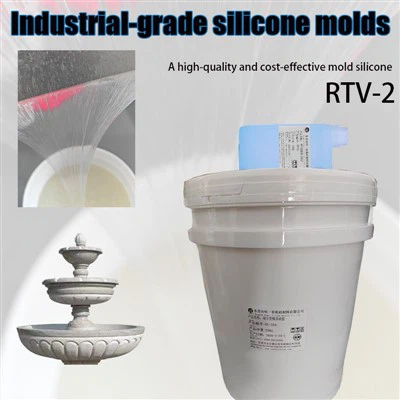
Hey there! As a supplier of RTV - 2 silicone, I often get asked whether RTV - 2 silicone is chemical - resistant. Well, let's dig into this topic and find out the ins and outs.
First off, what is RTV - 2 silicone? RTV stands for Room - Temperature Vulcanizing, and the "2" indicates a two - component system. This type of silicone is widely used in various industries, from making Resin mold silicone liquid to Candle silicone mold liquid. It's popular because it can cure at room temperature, which is super convenient.
Now, let's talk about chemical resistance. Chemical resistance refers to a material's ability to withstand the effects of chemicals without significant degradation. When it comes to RTV - 2 silicone, its chemical resistance can vary depending on a few factors.
Factors Affecting Chemical Resistance
1. Type of Chemicals
RTV - 2 silicone has different levels of resistance to various chemicals. For example, it generally has good resistance to water, weak acids, and weak alkalis. Water doesn't really do much to it, and it can handle mild acidic or alkaline environments for a certain period. However, when it comes to strong solvents like acetone, toluene, or gasoline, the story is different. These solvents can cause swelling, softening, or even dissolution of the RTV - 2 silicone.
2. Concentration and Exposure Time
The concentration of the chemical and the length of exposure also play a big role. A low - concentration chemical might not have a significant impact on the silicone in the short term. But if the concentration is high or the exposure time is long, the silicone's properties can change. For instance, a short dip in a diluted acid solution might not affect the silicone much, but leaving it in a concentrated acid for hours could lead to damage.
3. Temperature
Temperature can affect the chemical resistance of RTV - 2 silicone. Higher temperatures generally accelerate chemical reactions. So, if the silicone is exposed to a chemical at a high temperature, the degradation process can be much faster compared to a lower temperature.
Real - World Applications and Chemical Resistance
In the industrial world, RTV - 2 silicone is used in many applications where chemical resistance is crucial. For example, in the automotive industry, it can be used as a sealant in engines. The silicone needs to resist the various fluids in the engine, such as coolant, oil, and fuel. In this case, the silicone has to be carefully formulated to have good resistance to these specific chemicals.


In the food industry, RTV - 2 silicone is used for making molds for food products. It needs to be resistant to food - related chemicals like acids in fruits, oils, and salts. Food - grade RTV - 2 silicone is designed to meet strict safety and chemical - resistance standards to ensure it doesn't contaminate the food.
How to Improve Chemical Resistance
If you need RTV - 2 silicone with better chemical resistance, there are a few things you can do. One option is to choose a silicone with a higher cross - linking density. A higher cross - linking density means the silicone molecules are more tightly bound together, which can make it more resistant to chemical attack.
Another way is to add additives to the silicone. Some additives can enhance the chemical resistance of the silicone. For example, certain fillers can make the silicone more resistant to abrasion and chemical penetration.
Choosing the Right RTV - 2 Silicone
When it comes to choosing the right RTV - 2 silicone for your application, it's important to consider the chemical environment it will be exposed to. If you're not sure which type of silicone to choose, you can check out How Should We Choose Silicone? This resource can give you some valuable insights.
As a supplier, I've seen many customers come to me with different requirements. Some need a silicone that can withstand strong chemicals in an industrial setting, while others need a food - grade silicone for their bakery. We work closely with our customers to understand their needs and provide the most suitable RTV - 2 silicone products.
Conclusion
So, is RTV - 2 silicone chemical - resistant? The answer is it depends. It has a certain level of resistance to some chemicals, but its performance can vary based on the type of chemicals, concentration, exposure time, and temperature. With the right formulation and selection, RTV - 2 silicone can be a great choice for applications where chemical resistance is important.
If you're in the market for RTV - 2 silicone and have questions about its chemical resistance or any other aspects, don't hesitate to reach out. We're here to help you find the perfect solution for your needs. Whether you're making resin molds, candle molds, or need a silicone for an industrial application, we've got you covered. Let's start a conversation and see how we can work together!
References
- "Silicone Elastomers: Chemistry and Technology" by Werner J. Bluestein and Robert J. Lasky.
- "Handbook of Silicones" by Leonard I. Nass.