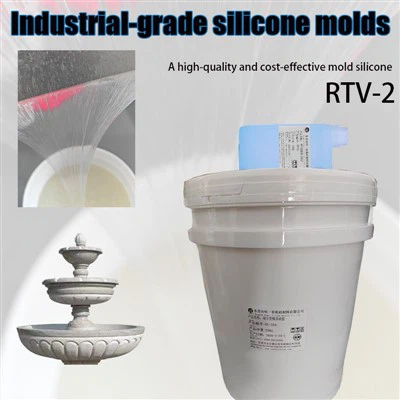
Shiny silicone is a remarkable material known for its aesthetic appeal and versatility. As a leading supplier of shiny silicone, we understand the importance of durability in ensuring the long - term performance of our products. In this blog, we will explore various strategies to make shiny silicone more durable, catering to the diverse needs of our customers.
Understanding the Properties of Shiny Silicone
Before delving into the ways to enhance durability, it's crucial to understand the basic properties of shiny silicone. Shiny silicone is a type of elastomer that offers excellent flexibility, heat resistance, and chemical stability. Its shiny surface is not only visually appealing but also provides a smooth finish, making it suitable for a wide range of applications, from consumer products to industrial components.
However, like any material, shiny silicone can be subject to wear and tear over time. Factors such as exposure to extreme temperatures, UV radiation, chemicals, and mechanical stress can all contribute to the degradation of the silicone. Therefore, taking proactive measures to improve its durability is essential.
Choosing the Right Silicone Formulation
The first step in making shiny silicone more durable is to select the appropriate silicone formulation. Different formulations offer varying levels of durability, depending on their chemical composition. For instance, Foamed Silicone is a specialized type of silicone that has a cellular structure. This structure can provide additional cushioning and shock absorption, which is beneficial in applications where the silicone is exposed to mechanical stress.
Another option is Strength Silicone printing inks. These inks are designed to enhance the strength and durability of the silicone. They can be used to print patterns or logos on the silicone surface, while also improving its resistance to abrasion and scratching.
Conductive Silicone is yet another formulation that can be considered. It not only offers electrical conductivity but also has good mechanical properties. This type of silicone is often used in electronic applications, where durability and electrical performance are both crucial.
Surface Treatment
Surface treatment is an effective way to improve the durability of shiny silicone. One common method is to apply a protective coating. This coating can act as a barrier against environmental factors such as UV radiation, moisture, and chemicals. There are various types of coatings available, including silicone - based coatings, polyurethane coatings, and fluoropolymer coatings.
Silicone - based coatings are particularly suitable for shiny silicone as they have good compatibility with the silicone substrate. They can enhance the surface hardness and scratch resistance of the silicone. Polyurethane coatings, on the other hand, offer excellent abrasion resistance and can provide a high - gloss finish. Fluoropolymer coatings are known for their chemical resistance and low surface energy, which can prevent dirt and contaminants from adhering to the silicone surface.
Another surface treatment technique is plasma treatment. Plasma treatment can modify the surface properties of the silicone, making it more hydrophilic or hydrophobic depending on the application. A hydrophilic surface can improve the adhesion of coatings or inks, while a hydrophobic surface can repel water and reduce the risk of corrosion.
Reinforcement
Reinforcing the shiny silicone can significantly improve its durability. One way to do this is by adding fillers to the silicone matrix. Fillers such as silica, carbon black, and glass fibers can enhance the mechanical properties of the silicone, including its strength, stiffness, and tear resistance.
Silica is a commonly used filler in silicone. It can improve the reinforcement of the silicone network, resulting in a more durable material. Carbon black, on the other hand, can enhance the electrical conductivity and UV resistance of the silicone. Glass fibers can provide high - strength reinforcement, making the silicone more resistant to deformation and breakage.
In addition to fillers, fibers can also be used to reinforce the silicone. For example, aramid fibers or carbon fibers can be incorporated into the silicone to create a composite material. These fibers have high tensile strength and can improve the overall durability of the silicone.
Environmental Protection
Protecting the shiny silicone from harsh environmental conditions is crucial for its long - term durability. Exposure to extreme temperatures, UV radiation, and chemicals can all cause damage to the silicone. Therefore, it's important to take measures to minimize these exposures.
When using shiny silicone in outdoor applications, it's advisable to provide adequate UV protection. This can be achieved by using UV - resistant coatings or by adding UV stabilizers to the silicone formulation. UV stabilizers can absorb and dissipate UV radiation, preventing it from causing damage to the silicone.
In addition, protecting the silicone from chemicals is also important. If the silicone is exposed to chemicals, it's important to choose a silicone formulation that is resistant to those chemicals. For example, some silicone formulations are resistant to acids, bases, and solvents, which can be useful in industrial applications.
Proper Handling and Storage
Proper handling and storage of shiny silicone can also contribute to its durability. When handling the silicone, it's important to avoid sharp objects that can scratch or puncture the surface. It's also advisable to wear gloves to prevent the transfer of oils and contaminants from the hands to the silicone.
During storage, the silicone should be kept in a cool, dry place away from direct sunlight. Exposure to high temperatures and humidity can cause the silicone to degrade over time. It's also important to store the silicone in a clean environment to prevent the accumulation of dirt and dust.
Quality Control
Implementing a strict quality control system is essential for ensuring the durability of shiny silicone. This includes testing the raw materials, monitoring the manufacturing process, and conducting final product inspections.
Testing the raw materials can help identify any potential issues before they affect the final product. For example, the silicone base, fillers, and additives should be tested for their chemical composition, physical properties, and purity.


Monitoring the manufacturing process is also crucial. This includes controlling the temperature, pressure, and mixing time during the production of the silicone. Any deviations from the standard process can affect the quality and durability of the final product.
Finally, conducting final product inspections can ensure that the shiny silicone meets the required quality standards. This can include visual inspections, mechanical testing, and chemical analysis.
Conclusion
Making shiny silicone more durable requires a comprehensive approach that includes choosing the right formulation, surface treatment, reinforcement, environmental protection, proper handling and storage, and quality control. By implementing these strategies, we can ensure that our shiny silicone products meet the high - quality standards expected by our customers.
If you are interested in purchasing high - quality, durable shiny silicone products, we invite you to contact us for a detailed discussion. Our team of experts is ready to assist you in finding the best solutions for your specific needs.
References
- "Silicone Elastomers: Chemistry and Technology" by R. W. Lenz
- "Handbook of Silicone Technology" by Michael A. Brook
- "Polymer Science and Technology" by James E. Mark, Burak Erman, and Charles L. Mandelkern