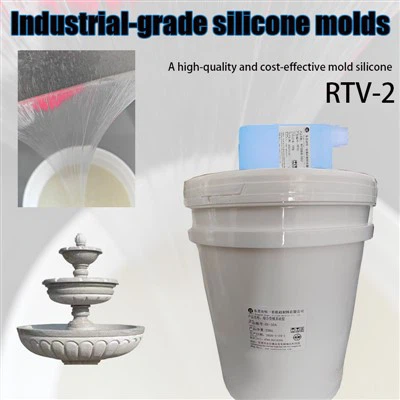
RTV-2 silicone, also known as Room Temperature Vulcanizing Type 2 silicone, is a versatile material widely used in various industries, including mold making, casting, and prototyping. As a leading RTV-2 silicone supplier, I am often asked about the proper way to mix this material. In this blog post, I will share a detailed guide on how to mix RTV-2 silicone effectively, ensuring optimal results for your projects.
Understanding RTV-2 Silicone
Before diving into the mixing process, it's important to understand the basic components of RTV-2 silicone. RTV-2 silicone typically consists of two parts: a base and a catalyst. The base contains the silicone polymer, while the catalyst initiates the curing process. When these two parts are mixed together in the correct ratio, a chemical reaction occurs, causing the silicone to cure and form a solid, elastic material.


Preparing for Mixing
- Safety First: Always wear appropriate safety gear, such as gloves and safety glasses, when handling RTV-2 silicone. Some silicone products may contain chemicals that can cause skin irritation or respiratory problems.
- Gather Your Materials: You will need the RTV-2 silicone base and catalyst, a mixing container, a mixing stick or spatula, and a scale to measure the correct ratios.
- Clean Your Work Area: Make sure your work area is clean and free of dust, debris, and other contaminants. This will help prevent any impurities from getting into the silicone mixture.
Measuring the Components
Accurate measurement of the base and catalyst is crucial for achieving the desired curing properties of the RTV-2 silicone. Most RTV-2 silicone products have a specific mixing ratio, usually expressed as a ratio of base to catalyst (e.g., 10:1). Refer to the product datasheet or manufacturer's instructions for the exact mixing ratio.
- Use a Scale: To ensure precise measurements, use a digital scale. Place the mixing container on the scale and tare it to zero. Then, add the appropriate amount of the base silicone to the container.
- Add the Catalyst: Once you have measured the base, add the catalyst to the container according to the specified ratio. For example, if the mixing ratio is 10:1, add 1 part catalyst for every 10 parts of the base.
Mixing the Components
- Stir Thoroughly: Use a mixing stick or spatula to stir the base and catalyst together. Start by slowly stirring the mixture in a circular motion, gradually increasing the speed as the two components begin to combine. Make sure to scrape the sides and bottom of the container to ensure that all the material is mixed evenly.
- Mix for the Right Amount of Time: The mixing time can vary depending on the product and the quantity being mixed. In general, you should mix the silicone for at least 3-5 minutes to ensure a homogeneous mixture. However, be careful not to overmix, as this can introduce air bubbles into the silicone.
- Remove Air Bubbles: After mixing, it's important to remove any air bubbles that may have been introduced during the mixing process. You can do this by gently tapping the mixing container on a hard surface or by using a vacuum chamber to degas the silicone.
Pouring and Curing
- Pour the Silicone: Once the silicone is thoroughly mixed and free of air bubbles, carefully pour it into the mold or application area. Make sure to pour the silicone slowly and evenly to avoid creating additional air bubbles.
- Allow the Silicone to Cure: The curing time of RTV-2 silicone can vary depending on the product, temperature, and humidity. In general, RTV-2 silicone will start to cure within a few hours and will be fully cured within 24-48 hours. However, it's important to follow the manufacturer's instructions for the specific product you are using.
- Demold the Silicone: Once the silicone is fully cured, you can demold it from the mold. Gently flex the mold to release the silicone, being careful not to damage the silicone or the mold.
Tips for Successful Mixing
- Follow the Manufacturer's Instructions: Always follow the manufacturer's instructions for the specific RTV-2 silicone product you are using. This includes the mixing ratio, mixing time, and curing conditions.
- Use High-Quality Materials: Using high-quality RTV-2 silicone and catalysts will ensure better results and a longer lifespan for your molds and products.
- Keep the Temperature and Humidity in Check: The curing process of RTV-2 silicone is affected by temperature and humidity. Make sure to work in a controlled environment to ensure consistent results.
- Practice Makes Perfect: Mixing RTV-2 silicone takes practice. Start with small batches and gradually increase the quantity as you gain more experience.
Applications of RTV-2 Silicone
RTV-2 silicone has a wide range of applications in various industries, including:
- Mold Making: RTV-2 silicone is commonly used to make molds for casting various materials, such as resin, wax, and plaster. It can create detailed and accurate molds that can be used for multiple castings.
- Prototyping: RTV-2 silicone is also used in prototyping to create functional prototypes of products. It can be used to test the form, fit, and function of a product before mass production.
- Sealing and Gasketing: RTV-2 silicone has excellent sealing properties and is often used to seal joints and gaps in various applications, such as automotive, aerospace, and construction.
- Art and Crafts: RTV-2 silicone is popular among artists and crafters for creating sculptures, jewelry, and other decorative items. It can be used to create realistic and detailed replicas of objects.
Related Products
If you are interested in using RTV-2 silicone for your projects, we offer a variety of high-quality products, including Silicone For Large-scale Stone Buildings, Resin mold silicone liquid, and Cultural stone mold silicone liquid. These products are designed to meet the specific needs of different applications and offer excellent performance and durability.
Contact Us for Procurement
If you are interested in purchasing RTV-2 silicone or have any questions about our products, please contact us. Our team of experts is available to provide you with detailed information and assistance to help you choose the right product for your needs. We look forward to working with you on your next project.
References
- Manufacturer's product datasheets and instructions
- Industry standards and best practices for RTV-2 silicone mixing and application