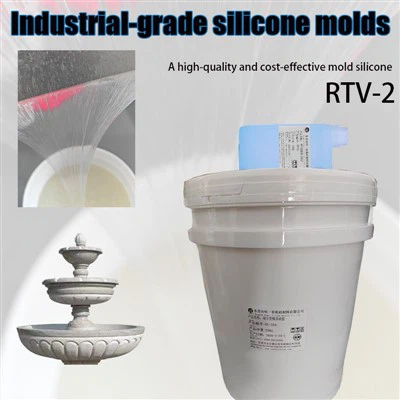
As a supplier of re-mold silicone, I often encounter inquiries about the acid resistance of our products. Acid resistance is a crucial property, especially in industries where silicone molds come into contact with acidic substances. In this blog, I'll delve into the concept of acid resistance in re-mold silicone, its significance, and how it impacts various applications.
Understanding Acid Resistance in Re-mold Silicone
Acid resistance refers to the ability of a material to withstand the corrosive effects of acids without significant degradation. In the context of re-mold silicone, it means that the silicone can maintain its structural integrity, mechanical properties, and appearance when exposed to acidic environments. Different types of acids have varying levels of corrosiveness, and the acid resistance of re-mold silicone can be affected by factors such as the type of acid, its concentration, temperature, and the duration of exposure.
Factors Affecting Acid Resistance
Type of Acid
There are various types of acids, including inorganic acids like sulfuric acid, hydrochloric acid, and nitric acid, and organic acids such as acetic acid and citric acid. Each acid has a different chemical structure and reactivity, which can influence how it interacts with re-mold silicone. For example, strong inorganic acids are generally more corrosive than weak organic acids.
Concentration
The concentration of the acid plays a significant role in determining its corrosive power. Higher concentrations of acids are more likely to cause damage to the re-mold silicone. For instance, a highly concentrated sulfuric acid solution can quickly break down the silicone's molecular structure, leading to swelling, cracking, or loss of mechanical strength.
Temperature
Temperature can accelerate the chemical reactions between the acid and the re-mold silicone. Higher temperatures increase the kinetic energy of the acid molecules, making them more reactive. As a result, the silicone may degrade more rapidly at elevated temperatures.
Duration of Exposure
The longer the re-mold silicone is exposed to an acidic environment, the greater the chance of damage. Prolonged exposure can lead to cumulative effects, such as gradual erosion of the silicone surface or internal structural changes.
Importance of Acid Resistance in Different Applications
Food Industry
In the food industry, re-mold silicone is commonly used to make molds for chocolates, candies, and other food products. These molds may come into contact with acidic ingredients such as fruits, vinegar, or lemon juice. Acid-resistant silicone ensures that the molds do not contaminate the food and maintain their shape and quality over time.
Chemical and Pharmaceutical Industries
In chemical and pharmaceutical manufacturing, re-mold silicone is used for creating molds for various products. These molds may be exposed to acidic chemicals during the production process. Acid resistance is essential to prevent the silicone from deteriorating and to ensure the accuracy and consistency of the molded products.
Art and Crafts
Artists and crafters often use re-mold silicone to create molds for resin casts, figurines, and other decorative items. Acidic substances may be present in some of the materials used in these projects, such as certain types of paints or adhesives. Acid-resistant silicone helps to protect the molds and ensure that the final products are of high quality.


Testing and Evaluating Acid Resistance
To determine the acid resistance of re-mold silicone, various testing methods can be employed. One common method is the immersion test, where samples of the silicone are immersed in a specific acid solution for a set period of time. After the immersion, the samples are examined for changes in appearance, weight, and mechanical properties.
Another method is the chemical resistance test, which involves exposing the silicone to different acids at various concentrations and temperatures. The samples are then evaluated for signs of degradation, such as swelling, cracking, or loss of hardness.
Our Re-mold Silicone Products and Acid Resistance
At our company, we offer a range of re-mold silicone products with excellent acid resistance. Our silicones are formulated to withstand the corrosive effects of various acids, making them suitable for a wide range of applications.
We have conducted extensive testing on our products to ensure their acid resistance. Our testing results show that our re-mold silicone can maintain its properties even when exposed to moderately acidic environments for extended periods.
Applications of Our Acid-Resistant Re-mold Silicone
Mold Making for Food Products
Our acid-resistant re-mold silicone is ideal for making molds for food products. It can withstand the acidic ingredients commonly used in the food industry, ensuring that the molds are safe for food contact and can be used repeatedly without degradation.
Chemical and Pharmaceutical Molds
In the chemical and pharmaceutical industries, our re-mold silicone can be used to create molds for various products. Its acid resistance helps to prevent the molds from being damaged by acidic chemicals, ensuring the accuracy and quality of the molded products.
Art and Craft Projects
Artists and crafters can benefit from our acid-resistant re-mold silicone in their projects. It can withstand the acidic substances present in some art materials, allowing for the creation of high-quality molds and castings.
Choosing the Right Re-mold Silicone for Acidic Environments
When selecting re-mold silicone for acidic environments, it's important to consider the specific requirements of your application. Here are some factors to keep in mind:
Acid Type and Concentration
Determine the type of acid and its concentration that the silicone will be exposed to. This will help you choose a silicone with the appropriate level of acid resistance.
Temperature and Duration of Exposure
Consider the temperature and duration of exposure to the acid. Higher temperatures and longer exposure times may require a more acid-resistant silicone.
Application Requirements
Think about the specific requirements of your application, such as the shape, size, and complexity of the mold. Our team can help you choose the right re-mold silicone based on your needs.
Conclusion
Acid resistance is an important property of re-mold silicone, especially in applications where the silicone comes into contact with acidic substances. Understanding the factors that affect acid resistance and choosing the right re-mold silicone for your application can help ensure the longevity and quality of your molds.
If you're interested in learning more about our acid-resistant re-mold silicone products or have any questions about acid resistance in general, please don't hesitate to contact us. We're here to help you find the right solution for your needs.
Related Resources
- The Mold Production Failed. 90% Of The Reason Was That The Wrong Type Of Silicone Was Chosen.
- Silicone Liquid For Molds
- Building Silicone Mold Liquid
References
- ASTM D543 - Standard Practice for Evaluating the Resistance of Plastics to Chemical Reagents
- ISO 175 - Plastics - Determination of the effect of liquids on plastics