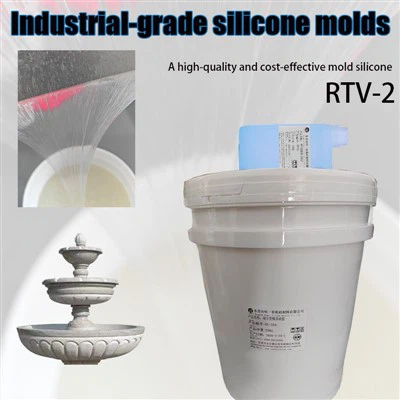
Hey there! As a supplier of RTV - 2 construction silicone, I often get asked if this stuff can be used for underwater applications. Well, let's dive right into it and find out.
First off, what is RTV - 2 construction silicone? RTV stands for Room Temperature Vulcanizing, and the "2" indicates a two - component system. This type of silicone is widely used in construction for sealing joints, bonding materials, and creating molds. It's known for its excellent flexibility, weather resistance, and adhesion properties.


Properties That Matter Underwater
When considering underwater use, we need to look at several key properties of RTV - 2 construction silicone.
Water Resistance
One of the most important factors is water resistance. RTV - 2 silicone generally has good water - resistant capabilities. Once it's fully cured, it forms a tight seal that can keep water out. This is crucial for underwater applications, as constant exposure to water can cause other materials to degrade quickly. For example, in a swimming pool or a water tank, the silicone needs to prevent water from seeping through the joints.
Adhesion
Adhesion is another vital property. The silicone has to stick well to the surfaces it's applied to, even when submerged. Whether it's bonding two pieces of concrete in an underwater structure or sealing a pipe joint, strong adhesion ensures that the seal remains intact. RTV - 2 silicone usually adheres well to a variety of materials like glass, metal, and plastic, which makes it a versatile option for underwater projects.
Chemical Resistance
Underwater environments can be full of chemicals, such as chlorine in swimming pools or salts in seawater. RTV - 2 construction silicone has a certain level of chemical resistance, which allows it to withstand these substances without deteriorating rapidly. This is essential for maintaining the integrity of the seal over time.
Advantages of Using RTV - 2 Construction Silicone Underwater
There are several advantages to using RTV - 2 construction silicone in underwater applications.
Flexibility
Underwater structures can experience movement due to factors like water pressure and temperature changes. RTV - 2 silicone's flexibility allows it to adapt to these movements without cracking or losing its seal. This is especially important in areas like dams or aquariums, where any small crack could lead to significant water leakage.
Durability
The durability of RTV - 2 silicone is a major plus. It can last for a long time underwater, reducing the need for frequent maintenance and repairs. This is not only cost - effective but also saves a lot of time and effort in the long run.
Ease of Application
Applying RTV - 2 silicone is relatively easy. It comes in a two - component system, and once the components are mixed, it can be applied using a caulking gun or other appropriate tools. This makes it accessible for both professional contractors and DIY enthusiasts working on underwater projects.
Limitations and Considerations
However, there are also some limitations and considerations when using RTV - 2 construction silicone underwater.
Curing Time
The curing time of RTV - 2 silicone can be affected by the underwater environment. In cold water or low - oxygen conditions, the curing process may slow down. This means that you need to plan your project carefully and allow enough time for the silicone to fully cure before exposing it to water.
Surface Preparation
Proper surface preparation is crucial for achieving a good bond. The surfaces need to be clean, dry, and free of any contaminants. In an underwater environment, it can be challenging to ensure that the surfaces are properly prepared, especially if the work is being done in deep water.
Compatibility
Not all RTV - 2 silicones are suitable for all underwater applications. You need to make sure that the specific product you're using is compatible with the materials it will be in contact with and the type of water (freshwater, saltwater, etc.).
Real - World Applications
Let's take a look at some real - world examples of where RTV - 2 construction silicone can be used underwater.
Aquariums
In aquariums, RTV - 2 silicone is used to seal the glass panels together. It provides a watertight seal that keeps the water inside the tank and prevents leaks. The flexibility of the silicone also allows the glass panels to move slightly without breaking the seal, which is important as the water in the aquarium can cause pressure changes.
Swimming Pools
For swimming pools, RTV - 2 silicone is used to seal the joints between the pool walls and the floor. It can withstand the constant exposure to water and chemicals like chlorine. The durability of the silicone ensures that the pool remains leak - free for a long time.
Underwater Structures
In larger underwater structures like dams or piers, RTV - 2 silicone can be used to seal joints and prevent water from seeping through. It can also be used to bond different materials together, providing additional strength and stability to the structure.
Related Information
If you want to learn more about silicone applications, you can check out these links:
- Silicone For Large - scale Stone Buildings
- What Are The Different Types Of Silicone Molds?
- How Should The Curing Agent Be Added To Ensure That The Silicone Rubber Has A Long Service Life?
Conclusion
So, can RTV - 2 construction silicone be used for underwater applications? The answer is yes, but with some considerations. Its water resistance, adhesion, flexibility, and durability make it a viable option for many underwater projects. However, you need to pay attention to factors like curing time, surface preparation, and compatibility.
If you're thinking about using RTV - 2 construction silicone for an underwater project, or if you have any questions about our products, feel free to reach out to us. We're here to help you make the right choice for your specific needs.
References
- Manufacturer's product data sheets on RTV - 2 construction silicone
- Industry research on underwater sealants and adhesives
- Case studies of RTV - 2 silicone used in underwater applications