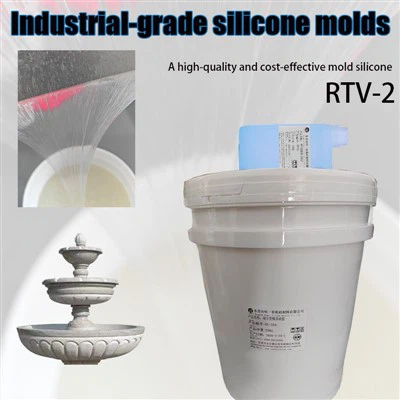
Can silicone mold liquid be used for making wax molds?
Silicone mold liquid is a versatile material widely used in various industries for creating molds. As a supplier of silicone mold liquid, I often receive inquiries about its suitability for making wax molds. In this blog post, I will explore whether silicone mold liquid can be used for this purpose, the advantages and considerations, and provide some practical tips.
The Basics of Silicone Mold Liquid
Silicone mold liquid is a type of elastomer that can be poured into a desired shape and then cured to form a flexible and durable mold. It offers several benefits, such as high flexibility, excellent detail reproduction, and resistance to heat and chemicals. There are different types of silicone mold liquid available, including Condensation Mold Silicone, which is commonly used for general mold - making applications.
Suitability for Wax Molds
The answer to whether silicone mold liquid can be used for making wax molds is a resounding yes. Silicone has many properties that make it an ideal material for wax mold production.
Flexibility: Silicone molds are highly flexible, which allows for easy removal of the wax castings. Wax can shrink slightly as it cools, and the flexibility of the silicone mold helps to accommodate this shrinkage without damaging the casting. This is especially important when creating complex or intricate wax shapes.
Detail Reproduction: Silicone mold liquid can capture even the finest details of the original model. When making wax molds, this is crucial as it ensures that the wax castings have the same level of detail as the original design. Whether it's a delicate jewelry piece or a detailed figurine, silicone molds can accurately reproduce the shape and texture.
Heat Resistance: Wax is typically melted at relatively low temperatures, usually between 45 - 90 degrees Celsius (113 - 194 degrees Fahrenheit). Silicone mold liquid has good heat resistance and can withstand these temperatures without deforming, making it suitable for the wax - casting process.


Advantages of Using Silicone Mold Liquid for Wax Molds
- Reusability: Silicone molds can be used multiple times, which makes them cost - effective in the long run. Once the wax casting is removed, the mold can be cleaned and reused for subsequent castings.
- Customization: Silicone mold liquid can be easily customized to fit different shapes and sizes. You can create molds for various wax products, from small jewelry items to large decorative pieces.
- Chemical Resistance: Silicone is resistant to many chemicals, which means it won't react with the wax during the casting process. This ensures that the quality of the wax castings is not affected by any chemical interactions.
Considerations When Using Silicone Mold Liquid for Wax Molds
- Surface Preparation: The surface of the original model must be properly prepared before making the silicone mold. Any dirt, dust, or grease on the model can affect the quality of the mold and the final wax casting. It's important to clean the model thoroughly and apply a release agent to ensure easy removal of the mold.
- Curing Time: Silicone mold liquid needs to be cured properly before it can be used for wax casting. The curing time can vary depending on the type of silicone and the environmental conditions. It's important to follow the manufacturer's instructions regarding curing time and temperature.
- Mold Design: The design of the silicone mold is crucial for successful wax casting. The mold should have proper vents to allow air to escape during the pouring of the wax. Without proper vents, air bubbles can get trapped in the wax, resulting in defects in the casting.
Practical Tips for Making Wax Molds with Silicone Mold Liquid
- Choose the Right Silicone: There are different grades of silicone mold liquid available. For wax molds, it's recommended to use Industrial - grade Silicone For Molds as it offers better durability and heat resistance.
- Use a Release Agent: Applying a release agent to the original model and the inside of the silicone mold can prevent the wax from sticking. There are various release agents available in the market, such as silicone - based release sprays.
- Pouring the Wax: When pouring the wax into the silicone mold, it's important to do it slowly and steadily to avoid creating air bubbles. You can also tap the mold gently to help the air bubbles rise to the surface.
Applications of Wax Molds Made from Silicone
- Jewelry Making: Silicone - made wax molds are widely used in the jewelry industry. They allow jewelers to create intricate and detailed wax models, which can then be used for casting precious metals.
- Decorative Arts: Wax castings made from silicone molds are used in the creation of decorative items such as sculptures, figurines, and ornaments.
- Candle Making: Wax molds are also used in the candle - making industry. Silicone molds can create candles with unique shapes and designs.
In addition to the above - mentioned applications, silicone mold liquid can also be used for making molds for other materials. For example, Silicone used for making glassware molds is a specialized type of silicone that can withstand the high temperatures required for glass casting.
Conclusion
In conclusion, silicone mold liquid is an excellent choice for making wax molds. Its flexibility, detail reproduction, and heat resistance make it suitable for a wide range of wax - casting applications. However, it's important to consider the surface preparation, curing time, and mold design to ensure successful results.
If you are interested in purchasing high - quality silicone mold liquid for your wax - mold making needs, feel free to contact us for more information and to discuss your specific requirements. We are committed to providing the best products and services to meet your mold - making needs.
References
- Silicone Rubber Handbook: A Comprehensive Guide to Silicone Technology.
- Industrial Mold - Making Manual: Techniques and Best Practices.
- Wax Casting: Principles and Applications in Jewelry and Arts.