As a supplier of ancient architecture silicone, I've often been intrigued by the potential impact of our products on the lichens and moss that grace the surfaces of ancient buildings. These natural growths are not just aesthetically pleasing; they are also indicators of the building's ecological and environmental health. In this blog post, we'll explore whether ancient architecture silicone has any impact on these delicate organisms.
The Role of Lichens and Moss on Ancient Buildings
Lichens and moss are common sights on the facades of ancient buildings. Lichens are composite organisms formed by a symbiotic relationship between fungi and algae or cyanobacteria. Mosses, on the other hand, are non - vascular plants. Both play important roles in the ecosystem of ancient structures.
They can act as natural insulators, protecting the building materials from extreme temperature changes. They also help in retaining moisture, which can prevent the drying and cracking of stones or bricks. Moreover, they add a unique historical and aesthetic charm to the ancient buildings, making them more appealing to visitors.
Ancient Architecture Silicone: An Overview
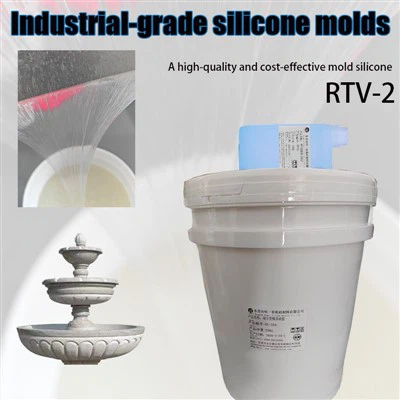
Ancient architecture silicone is a specialized product designed for the restoration and preservation of ancient buildings. It offers excellent adhesion, durability, and weather resistance. It can fill in cracks, protect against water penetration, and provide a protective layer for the building materials.
There are different types of silicone products suitable for various applications in ancient architecture. For instance, Silicone used for making glassware molds can be used in the restoration of glass - related parts of ancient buildings. Silicone For Large - scale Stone Buildings is formulated to meet the specific needs of large stone structures, providing long - term protection.
Potential Impacts on Lichens and Moss
Physical Impact
One of the most obvious potential impacts of ancient architecture silicone is the physical coverage. When silicone is applied to a building surface, it can cover the areas where lichens and moss grow. This can block their access to sunlight, which is essential for photosynthesis in both organisms. For lichens, sunlight is the energy source for the algae or cyanobacteria within the lichen thallus to produce food. Without sufficient sunlight, the lichens may weaken and eventually die.


Similarly, mosses rely on sunlight to carry out photosynthesis. If the silicone layer is thick enough to significantly reduce the amount of light reaching the moss, its growth will be stunted. In some cases, the physical presence of the silicone can also prevent the natural movement of water and air around the lichens and moss, which are crucial for their survival.
Chemical Impact
The chemical composition of ancient architecture silicone can also have an impact. Silicone products often contain various additives and curing agents to enhance their performance. Some of these chemicals may be toxic to lichens and moss. For example, certain solvents or catalysts used in the silicone formulation could potentially leach out over time and come into contact with the organisms.
Lichens are known to be very sensitive to air pollution and chemical contaminants. Even small amounts of harmful chemicals can disrupt their delicate symbiotic relationship and cause damage. Mosses, too, can be affected by the presence of toxic substances in the environment. If the chemicals in the silicone are detrimental to lichens and moss, it could lead to a decline in their population on the ancient building.
Positive Impact in Some Cases
However, it's not all negative. In some situations, ancient architecture silicone can have a positive impact on lichens and moss. For example, if the silicone is used to protect the building from water damage, it can create a more stable micro - environment. Excessive water can cause the lichens and moss to rot, especially during long - term exposure to wet conditions. By preventing water ingress, the silicone can help maintain an optimal moisture level for the organisms' growth.
Mitigating the Negative Impacts
If we want to use ancient architecture silicone while minimizing the negative effects on lichens and moss, several strategies can be employed.
First, it's important to conduct a thorough assessment of the lichen and moss populations before applying the silicone. Identify the areas where these organisms are most abundant and consider alternative protection methods for these areas. For example, we can use a more breathable and less - covering type of protection in these regions.
Second, careful selection of silicone products is crucial. Choose products with minimal toxic additives and low - leaching properties. Some advanced silicone formulations are designed to be more environmentally friendly, and these should be given preference.
Our Company's Approach
As a supplier of ancient architecture silicone, we are committed to providing products that are both effective for building protection and minimally harmful to the natural environment on the buildings. We invest in research and development to continuously improve our products. For example, we are exploring new formulations that can achieve High Precision And Zero Shrinkage For Perfect Replication while being more compatible with lichens and moss.
We also offer Condensation Mold Silicone Inks For Concrete/Cement which can be used in a more targeted manner, reducing the unnecessary coverage of the building surfaces where lichens and moss are present.
Conclusion
In conclusion, ancient architecture silicone can have both positive and negative impacts on lichens and moss on ancient buildings. While physical and chemical factors can pose risks to these organisms, proper assessment, product selection, and application methods can help mitigate the negative effects. As a responsible supplier, we strive to balance the needs of building preservation and ecological protection.
If you are involved in the restoration or preservation of ancient buildings and are interested in our high - quality ancient architecture silicone products, we welcome you to contact us for a detailed discussion about your requirements. We are eager to work with you to find the most suitable solutions for your projects.
References
- Nash, T. H. (1996). Lichen Biology. Cambridge University Press.
- Glime, J. M. (2007). Bryophyte Biology. Cambridge University Press.
- Wessels, R. L., & Gross, K. C. (2016). Building green: the role of mosses and lichens in sustainable architecture. Journal of Green Building, 11(4), 1 - 18.