Hey there! As a supplier of ancient architecture silicone, I've been getting a lot of questions lately about whether ancient architecture silicone needs to be maintained regularly. Well, let's dive right into it.
First off, let's understand what ancient architecture silicone is. It's a special type of silicone that's used in the restoration and preservation of ancient buildings. This silicone has unique properties that make it suitable for withstanding the test of time and the elements. It can adhere well to different surfaces, resist weathering, and provide a protective layer for the ancient structures.
Now, the big question: does it need regular maintenance? The answer is a resounding yes! Just like any other material, ancient architecture silicone is not immune to the effects of time and the environment. Over time, it can start to degrade due to factors like UV radiation, temperature changes, and pollution.
UV radiation is one of the major culprits. The sun's rays can break down the chemical bonds in the silicone, causing it to become brittle and lose its elasticity. This can lead to cracks and peeling, which can compromise the integrity of the protective layer. Temperature changes also play a role. Extreme heat or cold can cause the silicone to expand and contract, putting stress on the material. And pollution, especially in urban areas, can deposit harmful substances on the silicone surface, accelerating its deterioration.
Regular maintenance helps to address these issues. For example, cleaning the silicone surface can remove dirt, dust, and pollutants that can damage the material. A simple wash with a mild detergent and water can go a long way in keeping the silicone in good condition. Inspecting the silicone regularly is also crucial. By checking for signs of damage like cracks, peeling, or discoloration, you can catch problems early and take appropriate action.
Another important aspect of maintenance is re - applying the silicone when necessary. Over time, the protective layer of silicone may wear thin, and re - applying it can restore its effectiveness. This is especially important in areas that are exposed to harsh environmental conditions.
Let me give you an example. I once worked on a project to restore an ancient temple. The silicone that was used to seal the joints and protect the stonework had started to show signs of wear after a few years. We conducted a thorough inspection and found that there were some small cracks in the silicone. By cleaning the surface and re - applying a fresh layer of silicone, we were able to extend the lifespan of the protective layer and ensure the continued preservation of the temple.
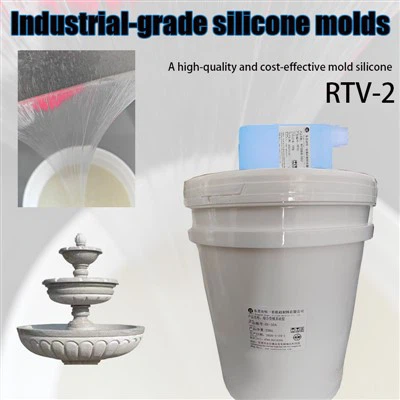
Now, let's talk about the types of silicone we offer. We have Industrial-grade Silicone For Molds. This type of silicone is great for creating molds for various applications in ancient architecture restoration. It has high precision and can reproduce fine details, which is essential when working on historical buildings.
We also have Condensation Mold Silicone Inks For Veitnam Candles. These inks are used in the process of creating decorative elements for ancient architecture. They can add a touch of authenticity and beauty to the restored structures.
And then there's Candle silicone mold liquid. This is useful for creating custom - shaped candles that can be used in religious or decorative settings within ancient buildings.
So, if you're involved in the restoration or preservation of ancient architecture, regular maintenance of the silicone is a must. It not only helps to protect the structures but also saves you money in the long run by preventing costly repairs.
If you're interested in purchasing our ancient architecture silicone products or have any questions about maintenance, don't hesitate to reach out. We're here to help you ensure the long - term preservation of these precious historical buildings.
References:


- General knowledge on silicone materials and their properties in architectural applications.
- Case studies of ancient architecture restoration projects.