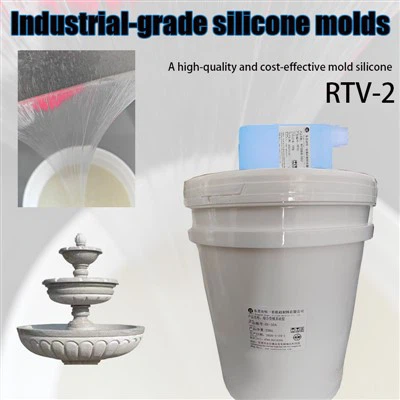
High-elasticity silicone is a remarkable material that has found its way into numerous industries due to its outstanding physical and chemical properties. As a leading supplier of high-elasticity silicone, I often encounter questions from customers regarding its resistance to various chemicals. In this blog post, I will delve into the topic of whether high-elasticity silicone resists chemicals, exploring the factors that influence its chemical resistance and providing real - world examples.
Understanding High - Elasticity Silicone
High-elasticity silicone is a type of elastomer, a polymer with elastic properties. It is composed of silicon, oxygen, carbon, and hydrogen atoms, arranged in a long - chain molecular structure. This structure gives high - elasticity silicone its unique characteristics, such as excellent flexibility, high tear strength, and good thermal stability. These properties make it suitable for a wide range of applications, from medical devices and automotive parts to consumer goods and electronics.
Chemical Resistance of High - Elasticity Silicone
The chemical resistance of high - elasticity silicone depends on several factors, including the type of chemicals it is exposed to, the concentration of the chemicals, the temperature, and the duration of exposure.
Resistance to Organic Solvents
High - elasticity silicone generally shows good resistance to many organic solvents. For example, it can withstand exposure to alcohols, such as ethanol and isopropanol, for extended periods without significant degradation. This property makes it a popular choice for applications in the pharmaceutical and cosmetic industries, where contact with alcohol - based solutions is common.
However, some organic solvents can have a detrimental effect on high - elasticity silicone. Solvents like toluene, xylene, and gasoline can cause swelling and softening of the silicone. The degree of swelling depends on the solubility parameter of the solvent and the cross - linking density of the silicone. A higher cross - linking density usually results in better resistance to swelling.


Resistance to Acids and Bases
The resistance of high - elasticity silicone to acids and bases varies depending on the strength and type of the acid or base. In general, it has good resistance to weak acids and bases. For instance, it can tolerate exposure to acetic acid (a weak acid) and sodium bicarbonate (a weak base) without significant damage.
Strong acids and bases, on the other hand, can pose a challenge. Concentrated sulfuric acid and sodium hydroxide can react with the silicone, leading to chemical degradation. The reaction mechanism involves the breakage of the silicone - oxygen bonds in the polymer backbone, which can result in a loss of mechanical properties.
Resistance to Oxidizing Agents
Oxidizing agents, such as hydrogen peroxide and chlorine, can also affect high - elasticity silicone. At low concentrations, high - elasticity silicone may show some resistance to these agents. However, at higher concentrations or longer exposure times, oxidation can occur. Oxidation can cause the silicone to become brittle, lose its elasticity, and develop surface cracks.
Real - World Applications and Chemical Resistance
Let's take a look at some real - world applications of high - elasticity silicone and how its chemical resistance plays a crucial role.
Medical Applications
In the medical field, high - elasticity silicone is used in a variety of applications, such as catheters, prosthetics, and seals for medical devices. These applications often require the silicone to be in contact with body fluids, disinfectants, and medications. The good chemical resistance of high - elasticity silicone to body fluids and many disinfectants, such as alcohol - based solutions, makes it a suitable material for these applications. For example, a silicone catheter can withstand the chemical environment inside the human body without degrading, ensuring its long - term functionality.
Automotive Applications
In the automotive industry, high - elasticity silicone is used for gaskets, seals, and hoses. These components are exposed to a variety of chemicals, including engine oil, coolant, and fuel. The ability of high - elasticity silicone to resist these chemicals is essential for maintaining the integrity of the automotive systems. For example, a silicone gasket in an engine can prevent the leakage of oil and coolant, even when exposed to high temperatures and chemical agents.
Electronics Applications
High - elasticity silicone is also widely used in the electronics industry. It can be found in keypads, connectors, and protective coatings. In these applications, the silicone may be exposed to cleaning agents, fluxes, and other chemicals during the manufacturing and use processes. The chemical resistance of high - elasticity silicone helps to protect the electronic components from damage. For example, a silicone protective coating on a circuit board can prevent the corrosion of the electronic elements by moisture and chemicals.
Our High - Elasticity Silicone Products
As a supplier of high - elasticity silicone, we offer a range of products with different chemical resistance properties to meet the diverse needs of our customers. Our Glossy Dipping Silicone is designed for applications where a glossy finish and good chemical resistance are required. It can be used for coating various objects, providing both aesthetic appeal and protection against chemicals.
Our Mold Heat Transfer Printing Silicone is suitable for heat transfer printing processes. It has excellent chemical resistance, which allows it to withstand the chemicals used in the printing process without losing its shape or mechanical properties.
For applications that require electrical conductivity in addition to chemical resistance, our Conductive Silicone is an ideal choice. It combines the electrical conductivity of conductive fillers with the chemical resistance of high - elasticity silicone.
Conclusion
In conclusion, high - elasticity silicone generally has good chemical resistance to many chemicals, but its performance depends on various factors. By understanding the chemical environment in which the silicone will be used, we can select the appropriate high - elasticity silicone product with the right level of chemical resistance.
If you are interested in our high - elasticity silicone products and would like to discuss your specific requirements, please feel free to contact us. We are committed to providing you with the best solutions for your chemical - resistant needs.
References
- "Silicone Elastomers: Chemistry and Technology" by W. Noll.
- "Handbook of Elastomers" edited by B. S. Nielsen.
- Technical literature from silicone manufacturers on chemical resistance properties.