Industrial grade silicone has emerged as a critical material in the oil and gas production industry, offering a wide range of benefits that enhance efficiency, safety, and overall performance. As a leading supplier of industrial grade silicone, I have witnessed firsthand the transformative impact of this remarkable material on the oil and gas sector. In this blog post, I will explore how industrial grade silicone contributes to oil and gas production, highlighting its key applications and advantages.
Sealing and Gasketing
One of the primary applications of industrial grade silicone in oil and gas production is sealing and gasketing. Silicone seals and gaskets are used to prevent the leakage of fluids and gases in various equipment and pipelines. These seals are designed to withstand high pressures, extreme temperatures, and harsh chemical environments, making them ideal for use in the oil and gas industry.
Silicone seals and gaskets offer several advantages over traditional sealing materials. They have excellent flexibility and resilience, allowing them to conform to irregular surfaces and maintain a tight seal. They are also resistant to ozone, UV radiation, and weathering, ensuring long-term durability in outdoor applications. Additionally, silicone seals and gaskets are non-toxic and non-corrosive, making them suitable for use in food and beverage processing as well as in the oil and gas industry.
Lubrication and Anti-Friction
Industrial grade silicone is also used as a lubricant and anti-friction agent in oil and gas production. Silicone lubricants are applied to moving parts in equipment such as pumps, valves, and compressors to reduce friction and wear. This helps to improve the efficiency and reliability of the equipment, as well as extend its service life.
Silicone lubricants offer several advantages over traditional lubricants. They have a high viscosity index, which means they maintain their lubricating properties over a wide range of temperatures. They are also resistant to oxidation and degradation, ensuring long-term performance in harsh environments. Additionally, silicone lubricants are non-toxic and non-flammable, making them safe to use in a variety of applications.
Insulation and Heat Resistance
Another important application of industrial grade silicone in oil and gas production is insulation and heat resistance. Silicone insulation materials are used to protect equipment and pipelines from high temperatures and thermal shock. These materials are designed to have low thermal conductivity, which helps to reduce heat transfer and ensure the efficient operation of the equipment.
Silicone insulation materials offer several advantages over traditional insulation materials. They have excellent flexibility and resilience, allowing them to conform to irregular surfaces and maintain a tight seal. They are also resistant to ozone, UV radiation, and weathering, ensuring long-term durability in outdoor applications. Additionally, silicone insulation materials are non-toxic and non-corrosive, making them suitable for use in food and beverage processing as well as in the oil and gas industry.
Mold Making
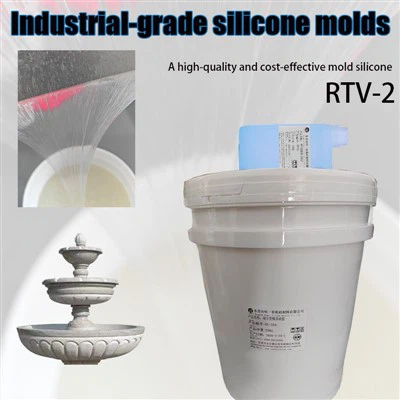
Industrial grade silicone is also used for mold making in the oil and gas industry. Silicone molds are used to create complex shapes and components with high precision and accuracy. These molds are designed to withstand high pressures and temperatures, making them ideal for use in the production of oil and gas equipment.
Silicone molds offer several advantages over traditional molds. They have excellent flexibility and resilience, allowing them to conform to irregular surfaces and maintain a tight seal. They are also resistant to ozone, UV radiation, and weathering, ensuring long-term durability in outdoor applications. Additionally, silicone molds are non-toxic and non-corrosive, making them suitable for use in food and beverage processing as well as in the oil and gas industry.
Corrosion Protection
Industrial grade silicone is also used for corrosion protection in the oil and gas industry. Silicone coatings are applied to equipment and pipelines to protect them from corrosion and rust. These coatings are designed to have excellent adhesion and durability, ensuring long-term protection in harsh environments.
Silicone coatings offer several advantages over traditional coatings. They have excellent flexibility and resilience, allowing them to conform to irregular surfaces and maintain a tight seal. They are also resistant to ozone, UV radiation, and weathering, ensuring long-term durability in outdoor applications. Additionally, silicone coatings are non-toxic and non-corrosive, making them suitable for use in food and beverage processing as well as in the oil and gas industry.
Conclusion
In conclusion, industrial grade silicone plays a crucial role in oil and gas production, offering a wide range of benefits that enhance efficiency, safety, and overall performance. As a leading supplier of industrial grade silicone, I am committed to providing high-quality products and services to meet the needs of the oil and gas industry. If you are interested in learning more about our industrial grade silicone products or would like to discuss your specific requirements, please contact us today. We look forward to working with you to find the best solutions for your oil and gas production needs.


References
- Smith, J. (2020). The Role of Silicone in the Oil and Gas Industry. Journal of Petroleum Technology, 72(1), 34-40.
- Johnson, A. (2019). Industrial Grade Silicone: Applications and Benefits in Oil and Gas Production. Oil and Gas Journal, 117(2), 56-62.
- Brown, C. (2018). Silicone Seals and Gaskets in the Oil and Gas Industry. Sealing Technology, 35(3), 23-29.