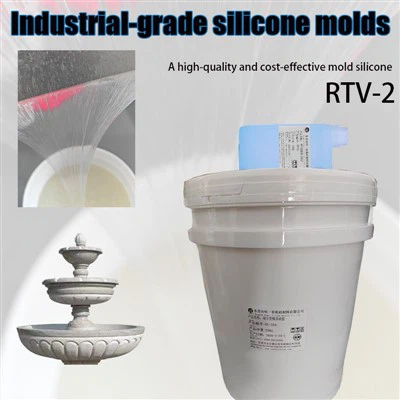
As a supplier of molded silicone, I've witnessed firsthand the numerous applications and benefits of this remarkable material. Molded silicone is widely used in various industries, from automotive to medical, due to its flexibility, durability, and resistance to extreme temperatures. One of the key properties of molded silicone is its elasticity, which can have a significant impact on its performance in different applications. In this blog post, I'll explore how the elasticity of molded silicone changes over time and what factors can influence this change.
Understanding Elasticity in Molded Silicone
Elasticity refers to a material's ability to deform under stress and return to its original shape once the stress is removed. In the context of molded silicone, elasticity is crucial as it allows the material to adapt to different shapes and movements without permanent deformation. This property is measured by the Young's modulus, which is the ratio of stress to strain within the elastic limit of the material. A lower Young's modulus indicates a more elastic material.
Initial Elasticity of Molded Silicone
When molded silicone is first produced, it typically exhibits high elasticity. This is due to the molecular structure of silicone, which consists of long chains of silicon and oxygen atoms with organic side groups. These chains are able to slide past each other easily under stress, allowing the material to stretch and deform. The manufacturing process also plays a role in determining the initial elasticity. Factors such as the type of silicone rubber used, the curing process, and the addition of fillers can all affect the final elastic properties of the molded product.
Factors Affecting the Change in Elasticity Over Time
1. Temperature
Temperature is one of the most significant factors that can affect the elasticity of molded silicone over time. Silicone is known for its excellent thermal stability, but extreme temperatures can still have an impact. At high temperatures, the molecular chains in silicone can become more mobile, leading to a decrease in the Young's modulus and an increase in elasticity. However, prolonged exposure to high temperatures can also cause the silicone to degrade, which may result in a loss of elasticity over time. On the other hand, low temperatures can make the silicone more rigid, reducing its elasticity.


2. Chemical Exposure
Exposure to chemicals can also change the elasticity of molded silicone. Certain chemicals, such as solvents, oils, and acids, can react with the silicone and alter its molecular structure. For example, solvents can swell the silicone, causing it to become softer and more elastic in the short term. However, over time, this swelling can lead to permanent damage and a decrease in elasticity. Chemicals that cause oxidation or cross - linking in the silicone can also reduce its ability to stretch and return to its original shape.
3. Mechanical Stress
Repeated mechanical stress can gradually change the elasticity of molded silicone. When silicone is subjected to cyclic loading, such as stretching, compression, or bending, the molecular chains can become aligned and damaged over time. This can lead to a phenomenon known as fatigue, where the material loses its ability to recover its original shape after deformation. The frequency and magnitude of the mechanical stress, as well as the duration of the loading, all play a role in how quickly the elasticity changes.
4. Aging
Even in the absence of extreme temperatures, chemical exposure, or mechanical stress, molded silicone will naturally age over time. As the silicone ages, the molecular chains can break down due to oxidation and other chemical reactions. This can result in a decrease in the number of cross - links between the chains, which in turn reduces the material's ability to maintain its shape and elasticity.
Monitoring and Predicting Changes in Elasticity
To ensure the long - term performance of molded silicone products, it's important to monitor and predict changes in elasticity. This can be done through various testing methods, such as tensile testing, compression testing, and dynamic mechanical analysis. These tests can provide valuable information about the material's elastic properties at different stages of its life.
In addition, accelerated aging tests can be conducted to simulate long - term exposure to environmental factors in a shorter period of time. By subjecting the molded silicone to elevated temperatures, humidity, and chemical exposure, manufacturers can predict how the material will perform over its intended lifespan.
Impact on Applications
The change in elasticity of molded silicone over time can have a significant impact on its applications. In applications where precise sealing is required, such as in automotive engines or medical devices, a decrease in elasticity can lead to leaks and reduced performance. In products that rely on the material's ability to stretch and return to its original shape, such as gaskets and seals, a loss of elasticity can cause them to fail prematurely.
On the other hand, in some applications, a change in elasticity may be desirable. For example, in certain flexible electronic devices, a slight increase in elasticity over time could allow the device to better conform to different shapes and movements.
Our Product Range and Their Elasticity Characteristics
As a supplier, we offer a wide range of molded silicone products, each with its own unique elasticity characteristics. For instance, our Round Effect Silicone is designed to have a high initial elasticity, making it suitable for applications where flexibility is crucial. It maintains its elasticity well under normal operating conditions, but like all silicone products, its properties can change over time depending on the environmental factors it is exposed to.
Our Machine - Print Round Effect Silicone is engineered for use in printing applications. It has a specific level of elasticity that allows it to transfer ink effectively while still being able to withstand the mechanical stress of the printing process. Over time, with proper care and within the recommended operating conditions, it can maintain its elasticity for a relatively long period.
The Nomal High Density Silicone is known for its durability and relatively stable elastic properties. It is less prone to changes in elasticity due to its high density and the way it is formulated. However, it's still important to consider the environmental factors and usage conditions to ensure its long - term performance.
Conclusion
The elasticity of molded silicone is a crucial property that can change over time due to various factors such as temperature, chemical exposure, mechanical stress, and aging. Understanding these factors and how they affect the material is essential for ensuring the long - term performance of molded silicone products. As a supplier, we are committed to providing high - quality molded silicone products and offering technical support to our customers.
If you are in need of molded silicone products for your application, we invite you to contact us for a detailed discussion. We can help you select the right product based on your specific requirements and provide guidance on how to maintain the elasticity and performance of the material over time. Let's work together to find the best silicone solution for your project.
References
- "Silicone Elastomers: Chemistry and Technology" by W. Noll
- ASTM D412 - Standard Test Methods for Vulcanized Rubber and Thermoplastic Elastomers - Tension
- ISO 37 - Rubber, vulcanized or thermoplastic - Determination of tensile stress - strain properties