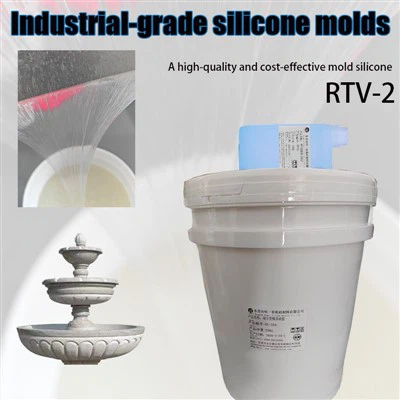
Molded silicone is a versatile material widely used in various industries due to its excellent properties, including high - temperature resistance, flexibility, and biocompatibility. One of the key aspects that make molded silicone so appealing is its resistance to a wide range of chemicals. As a molded silicone supplier, I have in - depth knowledge of the chemical resistance of this remarkable material, which I'd like to share with you.
Resistance to Organic Solvents
Organic solvents are commonly used in many industrial processes, such as cleaning, degreasing, and as carriers in coatings. Molded silicone generally shows good resistance to a variety of organic solvents. For example, it has a high tolerance for aliphatic hydrocarbons like hexane and heptane. These solvents are often used in the extraction of oils and fats, and molded silicone components can be safely used in equipment in contact with them.
In the case of aromatic hydrocarbons, such as toluene and xylene, molded silicone also exhibits reasonable resistance. However, long - term exposure or exposure to high concentrations may cause some swelling and a slight reduction in mechanical properties. But in normal operating conditions where the exposure is limited, molded silicone can still perform well.
Ketones, like acetone and methyl ethyl ketone (MEK), are strong solvents. While molded silicone is not completely immune to their effects, it can withstand short - term exposure to these solvents without significant damage. Prolonged immersion in ketones may lead to swelling and softening of the silicone, but this can be mitigated by proper material selection and design.
Resistance to Acids and Bases
Molded silicone demonstrates good resistance to a wide pH range. In the case of weak acids, such as acetic acid, which is commonly found in vinegar, molded silicone can resist corrosion effectively. It can be used in applications where it comes into contact with food products containing acetic acid, such as in food processing equipment.
Strong acids, like sulfuric acid and hydrochloric acid, can pose a challenge. However, depending on the concentration and temperature, certain types of molded silicone can withstand limited exposure. For example, at low concentrations and room temperature, some high - performance molded silicones may show acceptable resistance.
When it comes to bases, molded silicone is generally more resistant. It can tolerate weak bases like sodium bicarbonate solutions. Strong bases, such as sodium hydroxide, can also be resisted by molded silicone to a certain extent. High - quality molded silicone can withstand short - term exposure to concentrated sodium hydroxide solutions at moderate temperatures without significant degradation.
Resistance to Oxidizing Agents
Oxidizing agents are substances that can cause oxidation of other materials. Molded silicone has a certain level of resistance to common oxidizing agents. Hydrogen peroxide, which is widely used as a disinfectant and bleaching agent, can be resisted by molded silicone. At low to moderate concentrations, molded silicone can maintain its integrity and performance.
Chlorine - based oxidizing agents, such as sodium hypochlorite (bleach), can also be withstood by molded silicone. However, long - term exposure to high - concentration chlorine solutions may cause some surface degradation and discoloration. In applications where there is contact with chlorine - containing water, such as in swimming pool equipment, proper selection of molded silicone can ensure long - term durability.


Resistance to Oils and Greases
Molded silicone is highly resistant to oils and greases, which makes it an ideal material for applications in the automotive, aerospace, and industrial machinery sectors. Mineral oils, synthetic oils, and silicone oils have little effect on molded silicone. It can maintain its mechanical properties and flexibility even when in continuous contact with these lubricants.
In the automotive industry, molded silicone seals and gaskets are used to prevent oil leakage from engines and transmissions. The resistance to oils ensures that these components can function properly over a long period, reducing maintenance requirements and improving the reliability of the vehicles.
Applications and Product Recommendations
Given the excellent chemical resistance of molded silicone, it has a wide range of applications. In the medical field, molded silicone is used in devices that come into contact with various chemicals and biological fluids. Its biocompatibility and chemical resistance make it suitable for applications such as catheters, medical tubing, and seals in medical equipment.
In the electronics industry, molded silicone is used for encapsulation and protection of electronic components. It can resist the chemicals used in the manufacturing process, such as fluxes and cleaning agents, and also protect the components from environmental chemicals.
If you are looking for specific types of molded silicone products, we offer a variety of options. Our Matte Surface Silicone provides a unique aesthetic appearance along with excellent chemical resistance. It is suitable for applications where a non - glossy finish is required, such as in consumer electronics and automotive interiors.
Our Matte Dipping Silicone is ideal for coating applications. It can be used to coat various substrates, providing a protective layer that is resistant to chemicals and abrasion.
For applications that require a one - step solution, our One - Step Silicone offers convenience and high performance. It can be easily applied and cured, and it maintains its chemical resistance properties in different environments.
Conclusion
As a molded silicone supplier, I understand the importance of chemical resistance in different applications. Molded silicone's ability to resist a wide range of chemicals, including organic solvents, acids, bases, oxidizing agents, oils, and greases, makes it a top - choice material in many industries. Whether you are in the medical, electronics, automotive, or any other industry that requires chemical - resistant components, molded silicone can meet your needs.
If you are interested in our molded silicone products or have specific requirements for chemical - resistant applications, please feel free to contact us for a detailed discussion. We are committed to providing high - quality products and excellent service to help you find the best solutions for your projects.
References
- "Silicone Elastomers: Chemistry and Technology" by W. Noll.
- "Handbook of Elastomers" edited by A. K. Bhowmick and H. L. Stephens.
- Technical literature from silicone manufacturers on chemical resistance properties.