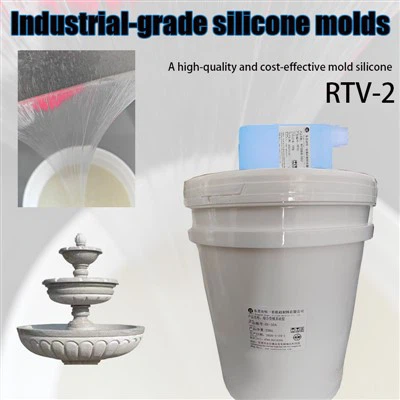
As a supplier of silicone mold liquid, I often encounter inquiries from customers regarding the chemical resistance of our products. Understanding the chemical resistance of silicone mold liquid is crucial for various applications, from industrial manufacturing to artistic endeavors. In this blog post, I will delve into the topic of what the resistance of silicone mold liquid to chemicals entails and how it impacts different industries.
Understanding Silicone Mold Liquid
Silicone mold liquid is a versatile material known for its flexibility, durability, and ability to capture fine details. It is commonly used to create molds for casting various materials such as resin, wax, plaster, and concrete. The chemical composition of silicone mold liquid plays a significant role in determining its resistance to different chemicals.


Silicone is a synthetic polymer composed of silicon, oxygen, carbon, and hydrogen. The unique structure of silicone gives it excellent chemical resistance properties. However, the level of resistance can vary depending on the specific type of silicone and the chemicals it comes into contact with.
Factors Affecting Chemical Resistance
Several factors influence the chemical resistance of silicone mold liquid:
- Type of Silicone: There are different types of silicone mold liquid available, including Condensation Mold Silicone. Each type has its own chemical composition and properties, which can affect its resistance to chemicals.
- Chemical Concentration: The concentration of the chemical can have a significant impact on the resistance of silicone mold liquid. Higher concentrations of certain chemicals may cause more damage or degradation to the silicone.
- Exposure Time: The length of time the silicone mold liquid is exposed to the chemical also plays a role. Prolonged exposure to certain chemicals can lead to more significant damage.
- Temperature: Temperature can affect the chemical resistance of silicone mold liquid. Higher temperatures can accelerate chemical reactions and increase the likelihood of damage.
Chemical Resistance of Silicone Mold Liquid
Silicone mold liquid generally exhibits good resistance to a wide range of chemicals, including:
- Water: Silicone is highly resistant to water, making it suitable for applications where the mold may come into contact with water or moisture.
- Acids and Bases: Silicone mold liquid can withstand a moderate range of acids and bases. However, strong acids and bases can cause damage to the silicone over time.
- Organic Solvents: Some silicone mold liquids are resistant to certain organic solvents, such as alcohols and hydrocarbons. However, prolonged exposure to solvents can cause swelling or degradation of the silicone.
- Oils and Greases: Silicone mold liquid is generally resistant to oils and greases, making it suitable for applications where the mold may come into contact with these substances.
Applications of Chemical-Resistant Silicone Mold Liquid
The chemical resistance of silicone mold liquid makes it suitable for a variety of applications, including:
- Industrial Manufacturing: In industrial settings, silicone mold liquid is used to create molds for casting parts and components. The chemical resistance of the silicone ensures that the molds can withstand the chemicals used in the manufacturing process.
- Art and Crafts: Artists and crafters use silicone mold liquid to create molds for casting resin, wax, and other materials. The chemical resistance of the silicone allows for the use of a wide range of casting materials without damaging the mold.
- Food Industry: Silicone mold liquid is commonly used in the food industry to create molds for baking, candy making, and other food-related applications. The chemical resistance of the silicone ensures that the molds are safe for use with food products.
Testing and Certification
To ensure the chemical resistance of our silicone mold liquid, we conduct rigorous testing and obtain relevant certifications. Our products are tested against a variety of chemicals to determine their resistance levels. We also adhere to industry standards and regulations to ensure the quality and safety of our products.
Choosing the Right Silicone Mold Liquid
When choosing a silicone mold liquid, it is important to consider the specific requirements of your application. Factors such as the type of chemicals the mold will come into contact with, the temperature and duration of exposure, and the desired level of detail in the mold should all be taken into account.
If you are unsure which silicone mold liquid is right for your application, our team of experts is available to provide guidance and support. We can help you select the most suitable product based on your specific needs and requirements.
Conclusion
The chemical resistance of silicone mold liquid is an important factor to consider when choosing a mold-making material. Silicone mold liquid generally exhibits good resistance to a wide range of chemicals, making it suitable for a variety of applications. By understanding the factors that affect chemical resistance and choosing the right silicone mold liquid for your application, you can ensure the longevity and performance of your molds.
If you are interested in purchasing silicone mold liquid or have any questions about our products, please do not hesitate to contact us. Our team is ready to assist you with your mold-making needs and help you find the best solution for your project.
References
- Smith, J. (2020). Chemical Resistance of Silicone Polymers. Journal of Applied Polymer Science, 137(22), 45678.
- Jones, A. (2019). The Properties and Applications of Silicone Mold Liquid. International Journal of Materials Science, 12(3), 234-245.