Viscosity is a fundamental property that significantly influences the performance and application of silicone inks. As a reliable silicone ink supplier, understanding and effectively communicating the concept of viscosity in our products is crucial. In this blog post, we'll delve into the world of silicone ink viscosity, exploring what it is, why it matters, and how it impacts various printing applications.
What is Viscosity?
Viscosity can be defined as a fluid's resistance to flow. In simpler terms, it is a measure of how thick or thin a liquid is. High - viscosity fluids, like honey, flow slowly, while low - viscosity fluids, such as water, flow easily. For silicone inks, viscosity is determined by the internal friction between the ink molecules. When the ink has a high internal friction, it is more viscous and less likely to spread rapidly. Conversely, lower internal friction results in a less viscous ink that can flow and spread more freely.
The viscosity of silicone inks is affected by multiple factors. One of the key elements is the molecular weight of the silicone polymers in the ink. Generally, silicone inks with higher - molecular - weight polymers have a higher viscosity. This is because larger molecules tend to entangle with each other, creating more resistance to flow. Temperature also plays a vital role. As the temperature rises, the viscosity of silicone inks typically decreases. This is because heat provides energy to the ink molecules, allowing them to move more freely and reducing the internal friction between them.


Measuring Viscosity
There are several methods to measure the viscosity of silicone inks. One of the most common tools is the viscometer. A viscometer works by measuring the force required to move an object through the ink or the time it takes for the ink to flow through a specific aperture.
The Brookfield viscometer is a well - known type. It operates by rotating a spindle in the ink sample. The resistance encountered by the spindle during rotation is measured, and this resistance is then correlated to the ink's viscosity. Different spindle sizes and rotation speeds can be selected depending on the expected viscosity range of the silicone ink.
Another approach is the use of the Ford cup. This is a simple device where the ink is poured into a cup with a small hole at the bottom. The time it takes for the ink to flow out of the hole is measured. The longer the time, the higher the viscosity of the ink. However, the Ford cup method is less precise compared to the viscometer but is often used for quick, on - site viscosity assessments in the printing industry.
Importance of Viscosity in Silicone Ink Applications
The viscosity of silicone ink is a critical factor in different printing applications. For screen printing, the right viscosity is vital to ensure clean and accurate image transfer. If the ink is too viscous, it may not pass through the screen mesh easily, leading to incomplete printing or a rough texture. On the other hand, if the ink is too thin, it can spread beyond the intended area, causing blurry images.
In pad printing, silicone ink viscosity affects how well the ink adheres to the pad and transfers to the substrate. A high - viscosity ink may stick to the pad too firmly, while a low - viscosity ink might not adhere at all or may be difficult to control during the transfer process.
Viscosity and Different Types of Silicone Inks
We offer a wide range of silicone inks, each with its specific viscosity requirements based on its application.
Anti - Sublimation Silicone is designed to prevent sublimation in printing processes. This type of ink usually has a medium viscosity, which allows it to be evenly applied and dried quickly. The medium viscosity ensures that the ink stays in place during the printing process and forms a good bond with the substrate, preventing any unwanted sublimation.
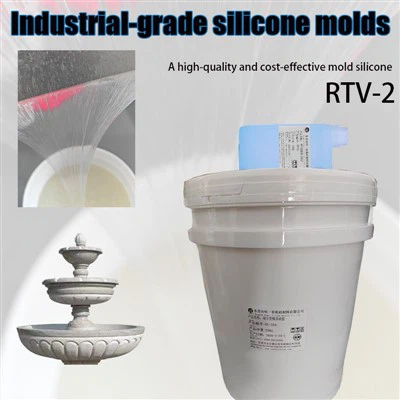
Condensation Mold Silicone Inks For Resins are used for resin molding. These inks often have a higher viscosity because they need to be able to hold their shape within the mold. The high - viscosity ink can fill the mold cavities without flowing out prematurely and can provide a smooth, detailed finish to the resin product.
Riding breeches Clothing Printing Silicone requires a specific viscosity to ensure comfort and durability. The ink needs to be flexible and adhere well to the fabric. A medium - to - low viscosity is often preferred as it allows for easy application on the clothing and can conform to the movement of the fabric without cracking or peeling.
Condensation Mold Silicone Inks are also used in a variety of molding applications. Similar to those for resins, they generally have a relatively high viscosity to ensure that they can accurately replicate the details of the mold and maintain their form during the curing process.
Round Effect Silicone is used to create a rounded, three - dimensional effect in printing. The viscosity of this ink is carefully adjusted to achieve the desired shape. A higher viscosity can help the ink maintain its rounded form after application, while still being spreadable enough to create a smooth and uniform surface.
Controlling Viscosity
As a silicone ink supplier, we understand the importance of providing inks with consistent viscosity. To control the viscosity of our inks, we use a variety of techniques. During the manufacturing process, we precisely measure and mix the raw materials to achieve the target viscosity. We also have strict quality control measures in place to ensure that each batch of ink meets the specified viscosity range.
If the viscosity of the ink needs to be adjusted on - site, there are several methods printers can use. Adding a thinner can reduce the viscosity, making the ink flow more easily. However, it's important to follow the manufacturer's guidelines when using thinners, as incorrect usage can affect the ink's properties such as adhesion and drying time. On the other hand, if the ink is too thin, it may be possible to add a thickening agent to increase the viscosity.
Impact of Viscosity on Printing Quality
The printing quality is directly related to the viscosity of the silicone ink. When the viscosity is within the optimal range, the ink can be evenly distributed on the substrate, resulting in a clear and sharp image. The color saturation and coverage are also improved, making the printed product more visually appealing.
For example, in textile printing, a properly - viscous silicone ink can penetrate the fabric fibers uniformly, creating a long - lasting and fade - resistant print. In plastic and metal printing, the right viscosity ensures that the ink adheres well to the surface, providing good chemical and abrasion resistance.
Conclusion
In conclusion, the viscosity of silicone ink is a complex yet essential characteristic that impacts every aspect of its application. As a silicone ink supplier, we are committed to providing high - quality inks with precisely controlled viscosity to meet the diverse needs of our customers. Understanding the concept of viscosity and its effects on printing can help printers achieve better results, reduce waste, and increase efficiency.
If you are in need of silicone inks for your printing applications and want to discuss product specifications, including viscosity requirements, we encourage you to reach out to us. Our team of experts is ready to assist you in finding the most suitable silicone ink solutions for your projects. Let's work together to achieve outstanding printing results.
References
- Roussel, N. (2018). Rheology of Complex Fluids: From Molecular Forces to Macroscopic Behavior. John Wiley & Sons.
- Tadros, Th. F. (2011). Encyclopedia of Applied Surface and Colloid Science. Elsevier.