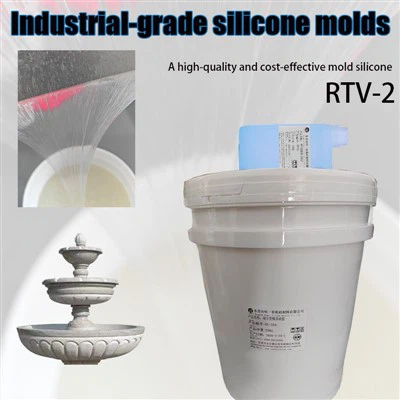
As a supplier of high-elasticity silicone, I've witnessed firsthand the growing demand for this remarkable material across various industries. High-elasticity silicone is a versatile substance known for its unique properties, making it a top choice for applications where flexibility, durability, and resilience are crucial. But what standards should high-elasticity silicone meet? In this blog post, I'll delve into the key standards and quality indicators that define high-elasticity silicone.
1. Elasticity and Elongation at Break
One of the most fundamental standards for high-elasticity silicone is its elasticity, which is typically measured by the elongation at break. Elongation at break refers to the maximum amount a material can stretch before it breaks. For high-elasticity silicone, a high elongation at break is essential. Generally, high-quality high-elasticity silicone should have an elongation at break of at least 300%, and in some cases, it can reach up to 1000% or more. This high level of elongation allows the silicone to withstand significant deformation without tearing, making it ideal for applications such as seals, gaskets, and flexible molds.
The elasticity of high-elasticity silicone is also related to its ability to return to its original shape after being stretched. A good high-elasticity silicone should have excellent elastic recovery, meaning that it can quickly and completely revert to its initial form once the stretching force is removed. This property is crucial for applications where repeated stretching and relaxation occur, such as in rubber bands or stretchable medical devices.
2. Tensile Strength
Tensile strength is another important standard for high-elasticity silicone. It measures the maximum amount of stress a material can withstand while being pulled or stretched. High-elasticity silicone with high tensile strength is more resistant to tearing and can better maintain its integrity under mechanical stress. A typical high-elasticity silicone should have a tensile strength of at least 2 MPa (megapascals), and for more demanding applications, the tensile strength can be even higher.
The tensile strength of high-elasticity silicone is influenced by several factors, including the formulation of the silicone, the cross-linking density, and the presence of any fillers or additives. A well-formulated high-elasticity silicone with a high cross-linking density will generally have better tensile strength. Additionally, the use of high-quality raw materials and proper manufacturing processes can also contribute to improved tensile strength.
3. Hardness
Hardness is a measure of a material's resistance to indentation or deformation. In the case of high-elasticity silicone, hardness is an important standard that affects its performance in different applications. High-elasticity silicone can be produced in a wide range of hardness levels, typically measured on the Shore A scale. For applications that require high flexibility, such as soft-touch grips or flexible electronics, a lower hardness level (e.g., Shore A 10 - 30) is often preferred. On the other hand, for applications that need more rigidity and support, a higher hardness level (e.g., Shore A 50 - 80) may be more suitable.
The hardness of high-elasticity silicone can be adjusted during the manufacturing process by controlling the amount of cross-linking agents and other additives. It's important to select the appropriate hardness level based on the specific requirements of the application to ensure optimal performance.
4. Chemical Resistance
High-elasticity silicone is often exposed to various chemicals in different environments. Therefore, chemical resistance is an important standard to consider. A good high-elasticity silicone should be resistant to a wide range of chemicals, including acids, bases, solvents, and oils. This resistance helps to prevent the silicone from swelling, cracking, or degrading when in contact with these chemicals, ensuring its long-term performance and reliability.
The chemical resistance of high-elasticity silicone depends on its chemical structure and the presence of any protective coatings or additives. Silicone with a high degree of cross-linking and a stable chemical structure generally has better chemical resistance. Additionally, the use of special additives or surface treatments can further enhance the chemical resistance of the silicone.
5. Thermal Stability
Thermal stability is crucial for high-elasticity silicone, especially in applications where it is exposed to high or low temperatures. High-elasticity silicone should be able to maintain its mechanical properties and elasticity over a wide temperature range. A typical high-elasticity silicone can withstand temperatures ranging from -50°C to 200°C, and some specialized formulations can even operate at higher or lower temperatures.
At high temperatures, high-elasticity silicone should not degrade, melt, or lose its elasticity. At low temperatures, it should remain flexible and not become brittle. The thermal stability of high-elasticity silicone is determined by its chemical composition, cross-linking density, and the presence of any heat-resistant additives. A well-designed high-elasticity silicone with good thermal stability can ensure reliable performance in a variety of temperature-sensitive applications, such as automotive seals, aerospace components, and electronic devices.
6. Compression Set
Compression set is a measure of a material's ability to recover its original thickness after being compressed for a certain period of time. For high-elasticity silicone used in sealing applications, a low compression set is essential. A low compression set means that the silicone can maintain its sealing performance over time, even when subjected to continuous compression.
The compression set of high-elasticity silicone is affected by factors such as the hardness, cross-linking density, and the duration and magnitude of the compression. A high-elasticity silicone with a low compression set is typically achieved through proper formulation and manufacturing processes, which ensure a stable cross-linking structure and good elastic recovery.
Our High-Elasticity Silicone Products
As a leading supplier of high-elasticity silicone, we offer a wide range of high-quality products that meet the above standards. Our Glossy Dipping Silicone is known for its excellent elasticity, high gloss finish, and good chemical resistance. It is ideal for applications such as dipping processes, where a smooth and shiny surface is required.
Our Machine-Print Matte Surface Silicone is designed for machine printing applications. It has a unique matte surface that provides good printability and adhesion, while maintaining high elasticity and durability.


In addition, our Heat Transfer Printing Middle Layer Silicone is specifically formulated for heat transfer printing. It offers excellent thermal stability, elasticity, and transferability, ensuring high-quality printing results.
Contact Us for Procurement
If you are in need of high-elasticity silicone products that meet the highest standards, we invite you to contact us for procurement and further discussions. Our team of experts is ready to assist you in selecting the most suitable products for your specific applications. We are committed to providing you with high-quality products, competitive prices, and excellent customer service.
References
- "Silicone Elastomers: Chemistry and Technology" by William Noll
- "Handbook of Silicones" edited by George H. Wagner
- Industry standards and specifications related to high-elasticity silicone materials