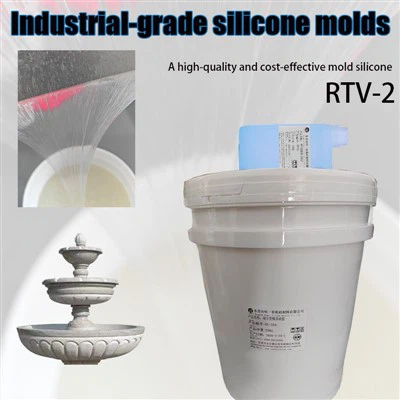
Hey there! As a supplier of ancient architecture silicone, I often get asked if this stuff can be used on stone. Well, let's dive right into it and find out.
First off, what exactly is ancient architecture silicone? It's a specialized type of silicone that's designed to meet the unique needs of restoring and preserving ancient buildings. It has some pretty cool properties that make it a great candidate for working with stone.
One of the main advantages of using ancient architecture silicone on stone is its flexibility. Stone can expand and contract with changes in temperature and humidity. If you use a rigid material to seal or repair it, it might crack or break over time. But silicone is flexible, so it can move with the stone without losing its integrity. This helps to prevent further damage and keeps the stone looking good for longer.
Another benefit is its weather resistance. Stone is constantly exposed to the elements - rain, wind, sun, and snow. Ancient architecture silicone forms a protective barrier that shields the stone from these environmental factors. It can resist water penetration, which is crucial because water can cause all sorts of problems like erosion, cracking, and the growth of mold and mildew.
Now, let's talk about adhesion. Silicone has excellent adhesion properties, which means it can stick well to stone surfaces. This is important when you're trying to seal joints, fill cracks, or attach decorative elements to the stone. It creates a strong bond that holds everything in place, even under harsh conditions.
But before you start slapping silicone on your stone, there are a few things you need to keep in mind. First, make sure the stone surface is clean and dry. Any dirt, dust, or moisture can affect the adhesion of the silicone. You might need to use a mild detergent and a brush to clean the stone thoroughly.
Second, choose the right type of silicone for the job. There are different formulations of ancient architecture silicone, each with its own set of properties. Some are better for sealing, while others are more suitable for filling cracks or making molds. You can check out our Building Silicone Mold Liquid for more information on the specific products available.
When applying the silicone, it's important to follow the manufacturer's instructions. This includes things like the correct ratio of silicone to curing agent, the application method, and the curing time. If you're not sure how to add the curing agent to ensure a long service life for the silicone rubber, check out our article How Should The Curing Agent Be Added To Ensure That The Silicone Rubber Has A Long Service Life?.


One thing to note is that while silicone is great for many stone applications, it might not be suitable for all types of stone. Some stones, like marble, are more porous and might require a different type of treatment. It's always a good idea to test the silicone on a small, inconspicuous area of the stone first to make sure it doesn't cause any discoloration or damage.
In addition to its practical uses, ancient architecture silicone can also be used for creating molds of stone elements. This is especially useful for replicating decorative details or restoring damaged parts of a building. You can use Silicone Liquid For Molds to make accurate molds that can then be used to cast new stone pieces.
Overall, ancient architecture silicone can be a great option for working with stone. It offers flexibility, weather resistance, and good adhesion, which are all important factors in preserving and restoring stone structures. However, it's important to do your research, choose the right product, and follow the proper application procedures.
If you're interested in using ancient architecture silicone for your stone projects, I'd love to have a chat with you. We can discuss your specific needs and help you find the best solution. Whether you're a contractor, a restoration expert, or a DIY enthusiast, we've got the products and knowledge to support you. So, don't hesitate to reach out and let's start a conversation about how we can work together.
References:
- General knowledge about ancient architecture silicone and stone restoration.
- Product information from our company's research and development.