The marine industry is a vast and ever - evolving field, filled with unique challenges and requirements. As an industrial - grade silicone supplier, I often get asked if our product can be used in the marine industry. Well, let's dive right into it.
Properties of Industrial - Grade Silicone
First off, let's talk about what industrial - grade silicone is all about. Industrial - grade silicone has some pretty awesome properties. It's super resistant to extreme temperatures. Whether it's a sweltering sunny day on the ocean or a freezing cold night, silicone can handle it. It can withstand high - heat conditions without melting or deforming, and it remains flexible even in very cold environments.
Another great thing about it is its excellent chemical resistance. Saltwater, which is a major component of the marine environment, is highly corrosive. Many materials can't stand up to the constant assault of salt, but industrial - grade silicone can. It resists the corrosive effects of salt, acids, and other chemicals commonly found in the ocean.
It also has good electrical insulation properties. In the marine industry, there are a lot of electrical systems on boats and ships. Silicone can be used to insulate these wires and components, preventing electrical shorts and ensuring the safety and proper functioning of the vessels' electrical equipment.
Applications in the Marine Industry
Sealing and Gasketing
Industrial - grade silicone is a rock - star when it comes to sealing and gasket applications in the marine industry. Boats and ships have countless joints and openings where water can potentially seep in. Silicone seals can be used to create watertight barriers around hatches, windows, and portholes. These seals are flexible and can conform to irregular surfaces, ensuring a tight fit. Whether it's a small fishing boat or a large cruise ship, silicone seals help keep the interior dry and prevent water damage to the vessel's structure and equipment.
Marine Equipment Manufacturing
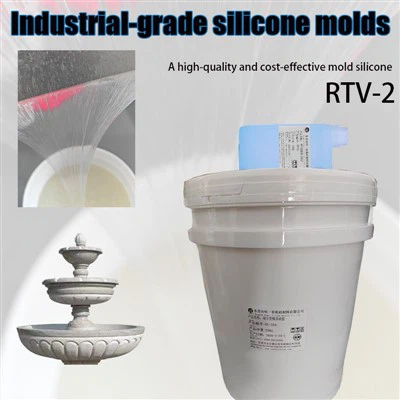
When it comes to manufacturing marine equipment, industrial - grade silicone is a valuable material. For example, it can be used to make molds for creating various parts. If you're making custom - shaped components like handles, knobs, or even detailed sculptures for a luxury yacht, silicone molds can be highly effective. You can find more about industrial - grade silicone for molds here: Industrial - grade Silicone For Molds.
The use of silicone molds in the marine industry also extends to the production of cultural stone molds. However, choosing the wrong silicone for cultural stone molds can lead to issues like blurry textures, mold blistering, and a short lifespan. But hey, there's an industrial - grade solution for that! Check out Choosing The Wrong Silicone For Cultural Stone Molds Leads To Blurry Textures, Mold Blistering, And Short Lifespan? Try This Industrial - grade Solution.
Electrical Components
As mentioned earlier, silicone's electrical insulation properties make it ideal for use in electrical components on boats. It can be used to coat and protect circuit boards, electrical connectors, and wires. This not only prevents electrical malfunctions but also protects these components from the moisture and salt in the marine environment.
Interior and Exterior Finishes
Silicone can also be used for interior and exterior finishes on boats. For the exterior, it can be applied as a protective coating to reduce the effects of weathering, UV radiation, and salt spray. On the interior, it can be used to seal and finish surfaces, giving them a clean and professional look.
Comparing with Other Materials
Now, you might be wondering how industrial - grade silicone stacks up against other materials commonly used in the marine industry. Let's take a look at some of the common alternatives.


Rubber
Rubber is another popular material for sealing and gasketing. While rubber has some flexibility, it doesn't have the same level of chemical resistance as silicone. Over time, rubber can degrade when exposed to saltwater and chemicals, leading to leaks and reduced performance. Industrial - grade silicone, on the other hand, maintains its integrity and sealing properties for a much longer time.
Plastic
Plastic is light and easy to work with, but it lacks the flexibility and temperature resistance of silicone. In the marine environment, where temperatures can vary widely, plastic can become brittle in cold weather or warp in hot weather. Silicone remains stable and functional in a wide range of temperatures.
Application in Specialized Marine Environments
Off - Shore Oil Rigs
Off - shore oil rigs are in one of the harshest marine environments. They are exposed to strong winds, high waves, and constant saltwater spray. Industrial - grade silicone can be used in a variety of applications on these platforms. It can be used for sealing pipes and valves to prevent oil and gas leaks. Its chemical resistance ensures that it can withstand the harsh chemicals and fluids used in the oil and gas extraction process.
Underwater Exploration Equipment
Underwater exploration equipment, such as submarines and remotely operated vehicles (ROVs), also benefit from industrial - grade silicone. Silicone can be used to seal the hatches and joints of these vehicles, preventing water from entering the sensitive equipment inside. It can also be used to insulate electrical cables and components that are submerged in water for long periods.
How to Choose the Right Industrial - Grade Silicone
With so many different types of industrial - grade silicone on the market, how do you choose the right one for your marine application? Well, there are a few things to consider.
First, you need to think about the specific requirements of your application. If you're using it for sealing, you'll want a silicone with good flexibility and adhesion. If it's for electrical insulation, a high - quality insulating silicone is necessary. You can find some useful tips on how to choose silicone here: How Should We Choose Silicone?.
Another important factor is the curing process. There are different types of silicone curing methods, such as tin - cure. High - performance mold - making silicone with tin - cure can be a great option for certain marine applications. Check out High Performance Mold Making Silicone - Tin Cure for more details.
Conclusion
In conclusion, industrial - grade silicone has a lot of potential in the marine industry. Its unique combination of properties, such as temperature resistance, chemical resistance, and electrical insulation, make it suitable for a wide range of applications. Whether it's for sealing, mold - making, or electrical protection, silicone can offer reliable performance in the harsh marine environment.
If you're in the marine industry and looking for a high - quality industrial - grade silicone solution, feel free to reach out to discuss your specific needs. We're here to help you find the perfect product for your application.
References
- General knowledge about industrial - grade silicone properties and applications in the marine industry.
- Information from related websites:
- Choosing The Wrong Silicone For Cultural Stone Molds Leads To Blurry Textures, Mold Blistering, And Short Lifespan? Try This Industrial - grade Solution
- Condensation Mold Silicone Inks For Concrete/Cement
- High Performance Mold Making Silicone - Tin Cure
- Industrial - grade Silicone For Molds
- How Should We Choose Silicone?