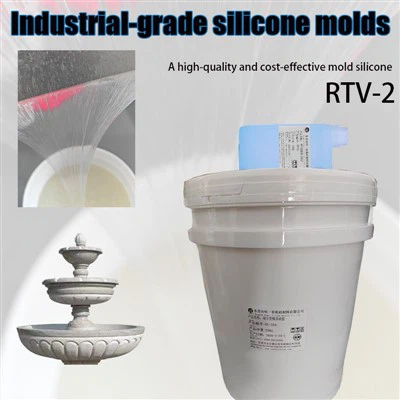
RTV-2 (Room Temperature Vulcanizing-2 component) construction silicone is a popular material in the construction industry, known for its excellent sealing, bonding, and insulation properties. However, the question that often arises is whether it can be used for automotive applications. As a leading supplier of RTV-2 construction silicone, I will delve into this topic to provide a comprehensive analysis.
Characteristics of RTV - 2 Construction Silicone
RTV-2 construction silicone is a two - component silicone rubber system. Component A usually contains a base polymer, while Component B is a curing agent. When these two components are mixed in the correct ratio, a chemical reaction occurs, leading to vulcanization at room temperature.
One of the key advantages of RTV-2 construction silicone is its high flexibility. It can withstand significant deformation without losing its integrity, making it ideal for filling gaps and sealing joints in construction projects. Additionally, it offers excellent weather resistance, ultraviolet (UV) resistance, and moisture resistance. This means that it can maintain its properties over long periods, even when exposed to harsh environmental conditions.
Another notable feature is its good adhesion. RTV - 2 construction silicone can bond well to a variety of surfaces, including metals, plastics, glass, and ceramics. This makes it suitable for a wide range of construction applications, such as window sealing, curtain wall installation, and bathroom waterproofing.
Requirements for Automotive Applications
Automotive applications have some unique requirements that materials must meet to ensure safety, performance, and durability.
- High - Temperature Resistance: The engine compartment of a vehicle can reach very high temperatures. Materials used in automotive applications need to be able to withstand these elevated temperatures without degrading or losing their mechanical properties. For example, engine seals need to remain flexible and sealed at temperatures that can exceed 150°C.
- Oil and Chemical Resistance: Automobiles use various fluids, such as engine oil, transmission fluid, brake fluid, and coolant. These fluids can be aggressive towards many materials. Therefore, materials used in automotive applications must resist the corrosive effects of these chemicals to prevent leaks and component failures.
- Vibration and Shock Resistance: Vehicles are subject to constant vibrations and shocks while in motion. Materials used in automotive parts need to be able to absorb these forces without cracking or breaking. This is particularly important for components such as gaskets and mounts.
- Electrical Insulation: In modern vehicles, there are numerous electrical systems. Materials used in electrical components need to provide good electrical insulation to prevent short - circuits and ensure the proper functioning of the electrical system.
Can RTV - 2 Construction Silicone Meet Automotive Requirements?
High - Temperature Resistance
Some RTV-2 construction silicones can offer relatively good high - temperature resistance. However, the maximum temperature they can withstand may not be sufficient for all automotive applications, especially those in the engine compartment. Automotive - grade silicone products are specifically formulated to withstand higher temperatures, often up to 200°C or more. Standard RTV - 2 construction silicones may start to degrade or lose their flexibility at temperatures above their specified limit, which can lead to seal failure.
Oil and Chemical Resistance
The oil and chemical resistance of RTV - 2 construction silicone can vary. While some types may have a certain level of resistance, they may not be as effective as automotive - grade silicone in resisting the wide range of harsh chemicals used in vehicles. For example, engine oil contains additives and contaminants that can be more aggressive than the environmental factors RTV - 2 construction silicone is typically exposed to in construction sites. Prolonged exposure to automotive fluids can cause swelling, softening, or embrittlement of RTV - 2 construction silicone, reducing its sealing performance.
Vibration and Shock Resistance
RTV - 2 construction silicone's flexibility allows it to absorb some degree of vibration and shock. However, in automotive applications, where the intensity of vibrations and shocks is generally higher, a more robust material may be required. Automotive - grade materials are designed to have better damping properties and higher mechanical strength to withstand the dynamic forces experienced by vehicles.
Electrical Insulation
RTV - 2 construction silicone generally has good electrical insulation properties. In some non - critical automotive electrical applications, such as sealing electrical connectors or protecting wiring from moisture, it may be suitable. However, for high - voltage electrical systems in modern electric or hybrid vehicles, automotive - grade silicone with enhanced electrical insulation and dielectric strength is usually preferred.
Potential Automotive Applications for RTV - 2 Construction Silicone
Although RTV - 2 construction silicone may not be suitable for all automotive applications, there are some areas where it could potentially be used:
- Non - Critical Sealing: It can be used for non - critical sealing applications in the vehicle interior, such as sealing around door panels or dashboard components. These areas are not exposed to high temperatures, aggressive chemicals, or extreme vibrations.
- Minor Repair and Maintenance: In some DIY automotive repair scenarios, RTV - 2 construction silicone can be used for minor sealing jobs. For example, it can be used to seal small leaks in a radiator or a non - pressure - bearing part of the vehicle.
Conclusion
In general, while RTV - 2 construction silicone has its advantages in the construction industry, its direct use in most automotive applications is limited. Automotive applications have more stringent requirements in terms of temperature resistance, chemical resistance, and mechanical strength.
However, understanding the properties of RTV - 2 construction silicone and the specific requirements of automotive applications can help identify potential niche uses. If you are considering using RTV - 2 construction silicone for an automotive application, it is crucial to test the material thoroughly under relevant conditions to ensure its suitability.
As a reliable supplier of RTV - 2 construction silicone, we offer a wide range of products with different properties. If you are interested in learning more about our products or exploring possible applications, please do not hesitate to contact us for procurement and further discussions. We are always ready to assist you in finding the most suitable solution for your needs.


For more information about silicone products, you can visit these links: What Are The Different Types Of Silicone Molds?, Why Is Condensation Type Mold Silicone The Ideal Choice For Concrete Art?, Choosing The Wrong Silicone For Cultural Stone Molds Leads To Blurry Textures, Mold Blistering, And Short Lifespan? Try This Industrial - grade Solution., Condensation Mold Silicone, High Performance Mold Making Silicone - Tin Cure.
References
- "Silicone Rubber Handbook", Schaefer, H.; Mauel, P.; Witten, H.
- "Automotive Materials and Manufacturing Technologies", ASM International Handbook Committee