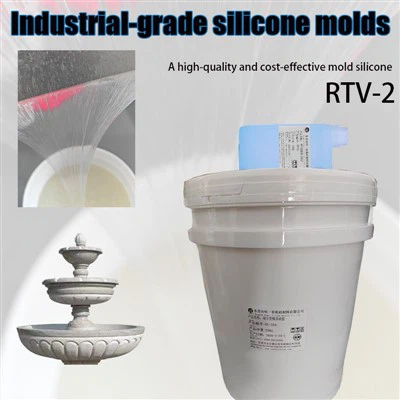
As a trusted two - component silicone supplier, I often encounter inquiries about the suitability of our product for use on metal. This question is crucial for many industries that rely on metal components in their manufacturing or repair processes. In this blog post, I will delve into the topic and provide comprehensive information to help you understand whether two - component silicone can be used on metal.
Understanding Two - Component Silicone
Two - component silicone, also known as 2K silicone, consists of two parts: a base and a catalyst or curing agent. When these two components are mixed in the correct ratio, a chemical reaction occurs, leading to the curing of the silicone. The result is a flexible, durable, and often heat - resistant material. It offers excellent adhesion properties, weather resistance, and can withstand a wide range of temperatures.
Advantages of Using Two - Component Silicone on Metal
Adhesion
One of the primary reasons two - component silicone is suitable for metal is its strong adhesion. Once cured, the silicone forms a tight bond with the metal surface. This bond can resist mechanical stress, such as vibrations and impacts, which is essential in many industrial applications. For example, in the automotive industry, two - component silicone can be used to seal metal parts together, preventing leaks and ensuring the proper functioning of the vehicle.
Corrosion Protection
Metal is prone to corrosion, especially when exposed to moisture, chemicals, or harsh environmental conditions. Two - component silicone acts as a protective barrier on the metal surface. It prevents water and oxygen from reaching the metal, thus reducing the risk of rust and corrosion. This is particularly important for outdoor metal structures, such as bridges and metal fences.
Flexibility
Metal can expand and contract due to temperature changes. Two - component silicone is flexible enough to accommodate these dimensional changes without losing its adhesion. This flexibility ensures that the seal or bond remains intact over time, even in environments with significant temperature fluctuations.
Chemical Resistance
Many industrial applications involve exposure to various chemicals. Two - component silicone has good chemical resistance, which allows it to maintain its integrity when in contact with different chemical substances. This makes it a suitable choice for metal components in chemical processing plants, where the metal may come into contact with acids, bases, or solvents.
Applications of Two - Component Silicone on Metal
Sealing
Two - component silicone is widely used for sealing metal joints and connections. For instance, in plumbing systems, it can be used to seal metal pipes to prevent water leakage. In the electronics industry, it is used to seal metal enclosures to protect sensitive electronic components from dust, moisture, and other contaminants.
Bonding
It is also an excellent bonding agent for metal parts. In the manufacturing of machinery, two - component silicone can be used to bond metal components together, providing a strong and durable connection. This is especially useful when welding or other traditional joining methods are not suitable.
Coating
Applying a two - component silicone coating on metal surfaces can enhance their appearance and performance. The coating can provide a smooth, shiny finish and also improve the metal's resistance to abrasion and wear. This is commonly seen in the aerospace and marine industries, where metal parts need to withstand harsh operating conditions.
Factors to Consider When Using Two - Component Silicone on Metal
Surface Preparation
Proper surface preparation is crucial for achieving good adhesion between the two - component silicone and the metal. The metal surface should be clean, dry, and free of grease, oil, rust, and other contaminants. Sanding or abrasion may be required to create a rough surface for better bonding. This will ensure that the silicone can adhere firmly to the metal and provide long - lasting performance.
Curing Conditions
The curing of two - component silicone is affected by factors such as temperature, humidity, and the ratio of the two components. It is essential to follow the manufacturer's instructions regarding the curing conditions. Incorrect curing can lead to poor adhesion, reduced flexibility, or other performance issues.
Compatibility
Not all two - component silicones are compatible with all types of metal. Some metals, such as aluminum, may require a specific type of silicone for optimal adhesion. It is important to choose a two - component silicone that is compatible with the metal you are using. For more information on choosing the right silicone, you can refer to our article How Should We Choose Silicone?.


Examples of Successful Use of Two - Component Silicone on Metal
In the construction of large - scale stone buildings, two - component silicone has been used on metal structural elements. The silicone provides a reliable seal and protection for the metal, ensuring the long - term stability of the building. You can learn more about this application in our article Silicone For Large - scale Stone Buildings.
In concrete art, the use of two - component silicone on metal molds is common. The silicone allows for easy demolding and provides a smooth finish. To understand why it is an ideal choice in this context, refer to Why Is Condensation Type Mold Silicone The Ideal Choice For Concrete Art?.
Different Types of Silicone for Metal Applications
There are various types of two - component silicones available, each with its own set of properties and characteristics. Some are designed for high - temperature applications, while others are more suitable for low - temperature environments. Additionally, there are different levels of hardness and flexibility. To understand the different types of silicone molds, you can read What Are The Different Types Of Silicone Molds?.
It is important to note that choosing the wrong type of silicone can lead to mold production failure. As mentioned in The Mold Production Failed. 90% Of The Reason Was That The Wrong Type Of Silicone Was Chosen., selecting the appropriate silicone is crucial for successful metal - related applications.
Conclusion
In conclusion, two - component silicone can indeed be used on metal, offering numerous advantages such as strong adhesion, corrosion protection, flexibility, and chemical resistance. However, it is essential to consider factors such as surface preparation, curing conditions, and compatibility to ensure the best results.
If you are in need of high - quality two - component silicone for your metal applications, we are here to help. We have a wide range of products that can meet your specific requirements. Whether you are involved in construction, manufacturing, or any other industry that uses metal, our two - component silicone can provide reliable performance. Contact us today to discuss your needs and start a successful partnership.
References
- Manufacturer's guidelines on two - component silicone products.
- Industry research on the use of silicone in metal applications.
- Case studies on the successful use of two - component silicone on metal.