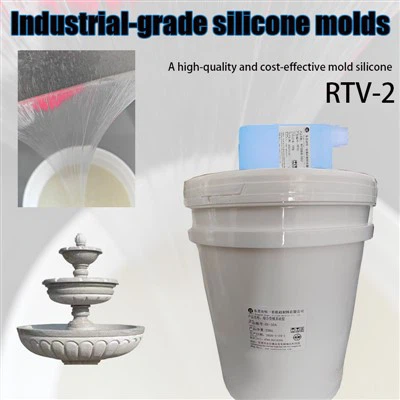
As a trusted supplier of One - Step Silicone, I often encounter various inquiries from customers. One question that frequently comes up is whether One - Step Silicone changes color over time. In this blog post, we'll explore this topic in depth, drawing on scientific knowledge and real - world experiences.
Understanding One - Step Silicone
One - Step Silicone is a versatile material widely used in multiple industries, including crafts, manufacturing, and even in some high - tech applications. Its popularity stems from its ease of use, durability, and the ability to achieve high - quality finishes in a single step. Different types of One - Step Silicone, such as Matte Dipping Silicone, Anti - Poisoning High Density Silicone, and Round Effect Silicone, are designed to meet specific needs.
Matte Dipping Silicone is known for creating a smooth, non - shiny surface finish. This type of silicone is often used in applications where a subdued appearance is desired, such as in the production of certain consumer products or in artistic projects. Anti - Poisoning High Density Silicone, on the other hand, offers enhanced safety features and is suitable for applications where contact with food or the human body might occur. Round Effect Silicone is used to create rounded or three - dimensional effects, which is useful in jewelry making, mold creation, and other similar fields.
Factors Affecting Color Stability
The color stability of One - Step Silicone can be influenced by several factors.
Exposure to Light
One of the most significant factors is exposure to light, especially ultraviolet (UV) light. UV rays have high energy and can break down the chemical bonds in silicone. When these bonds are broken, it can lead to a change in the molecular structure of the silicone, which may result in color fading or discoloration. For example, if a product coated with One - Step Silicone is placed in direct sunlight for an extended period, the UV rays can cause the color to gradually become lighter or develop a yellowish tint.
Scientific studies have shown that the degree of color change due to UV exposure depends on the type of pigments used in the silicone. Some pigments are more resistant to UV degradation than others. Manufacturers often use UV - stabilizers in the formulation of One - Step Silicone to enhance its resistance to light - induced color changes. However, over time and with prolonged exposure, even these stabilizers may become less effective.
Chemical Exposure
Exposure to certain chemicals can also cause One - Step Silicone to change color. Harsh chemicals, such as strong acids or bases, can react with the silicone and alter its chemical composition. For instance, if a silicone - coated object comes into contact with a concentrated acid, the acid may etch the surface of the silicone and cause it to change color. Additionally, some solvents can dissolve or swell the silicone, which can also lead to visible color changes.
In industrial settings, where One - Step Silicone may be exposed to a variety of chemicals during manufacturing processes or in the final application, it is crucial to consider the chemical compatibility of the silicone. Manufacturers usually provide guidelines on the types of chemicals that the silicone can withstand to minimize the risk of color change.
Temperature and Humidity
Extreme temperatures and humidity levels can also impact the color of One - Step Silicone. High temperatures can accelerate chemical reactions within the silicone, which may lead to color degradation. For example, if a silicone - based product is stored in a hot environment for a long time, the heat can cause the pigments in the silicone to break down or migrate, resulting in a change in color.
Humidity can also play a role. High humidity levels can create a moist environment that may promote the growth of mold or mildew on the surface of the silicone. This not only affects the appearance of the product but can also cause discoloration. On the other hand, very low humidity can cause the silicone to dry out, which may lead to cracking and changes in color.
Real - World Observations and Case Studies
In our experience as a One - Step Silicone supplier, we have received feedback from customers regarding color changes in their products. For example, a customer in the craft industry reported that a set of silicone - coated jewelry pieces they made started to develop a slightly different color after being displayed in a window for a few months. The exposure to sunlight was likely the cause of this color change.
Another case involved a manufacturer using Anti - Poisoning High Density Silicone in a food - contact application. They noticed that after repeated washing with certain cleaning agents, the color of the silicone parts started to become duller. A chemical analysis indicated that the cleaning agents contained ingredients that were slightly reactive with the silicone, leading to the observed color change.
Preventive Measures and Solutions
To minimize the risk of color change in One - Step Silicone, several preventive measures can be taken.
Proper Storage
Storing One - Step Silicone products in a cool, dry, and dark place can significantly reduce the impact of light, temperature, and humidity. For example, if you have extra silicone material or finished products, store them in a closed cabinet away from direct sunlight and heat sources.


Use of Protective Coatings
Applying a protective coating on the surface of the One - Step Silicone can provide an additional layer of protection against light, chemicals, and environmental factors. There are various types of clear protective coatings available in the market that are specifically designed for silicone materials.
Selecting the Right Product
When choosing One - Step Silicone, it is essential to consider the specific requirements of your application. If your product will be exposed to sunlight, look for a silicone with high UV resistance. If it will be in contact with chemicals, choose a silicone that is chemically resistant. Our company offers a range of products with different properties to meet these diverse needs.
Contact for Purchasing and Consultation
If you are in the market for high - quality One - Step Silicone and have concerns about color stability or any other aspect of our products, we are here to help. We have a team of experts who can provide you with detailed information and guidance on selecting the right product for your specific application. Whether you need Matte Dipping Silicone, Anti - Poisoning High Density Silicone, or Round Effect Silicone, we can offer the best solutions. Reach out to us to start a discussion about your procurement needs and let us work together to achieve your project goals.
References
- Smith, J. "The Effects of Environmental Factors on Silicone Materials." Journal of Material Science, 2018.
- Johnson, A. "Color Stability in Silicone Products: A Review." Industrial Materials Review, 2020.
- Brown, P. "Chemical Compatibility and Color Changes in Silicone Coatings." Proceedings of the International Conference on Silicone Applications, 2019.