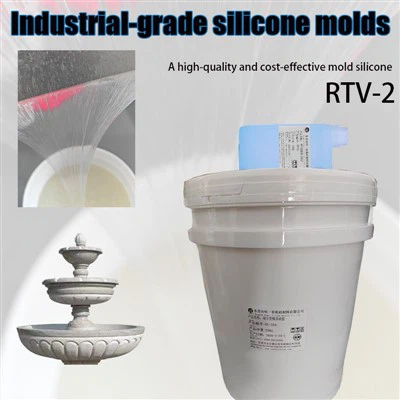
Hey there! As a supplier of resin silicone liquid, I often get asked a bunch of questions about our product. One of the most common ones is, "Does resin silicone liquid require a catalyst?" Well, let's dive right into this topic and break it down.
First off, let's understand what resin silicone liquid is. It's a versatile material that has a whole bunch of applications, from making molds for art projects to industrial uses. This stuff can be used to create replicas, prototypes, and all sorts of cool things. But the question about the catalyst is crucial because it affects how the resin silicone liquid cures and whether it can turn into a solid, useful form.
So, does it require a catalyst? The answer is often yes. A catalyst plays a super important role in the curing process of resin silicone liquid. You see, without a catalyst, the resin silicone liquid might just stay in its liquid state forever. The catalyst acts as a kind of trigger that starts a chemical reaction within the liquid. This reaction causes the molecules in the resin silicone to cross - link with each other. As they cross - link, the liquid gradually turns into a solid, taking on the shape of the mold it's in.
There are different types of catalysts available, and the choice depends on the specific type of resin silicone liquid you're using. For example, tin - based catalysts are commonly used for condensation - type mold silicone. These catalysts are great because they're relatively easy to use and work well with a wide range of resin silicone formulations. If you're interested in learning more about high - performance mold - making silicone with tin cure, you can check out this link: High Performance Mold Making Silicone - Tin Cure.
Another type of catalyst is the platinum - based one. Platinum catalysts are known for their high - performance characteristics. They allow for a more precise and faster curing process. They're also less affected by factors like temperature and humidity compared to tin - based catalysts. However, they can be a bit more expensive.
Now, let's talk about some real - world implications of using a catalyst with resin silicone liquid. In the world of art, especially when it comes to concrete art, condensation - type mold silicone is often the go - to choice. And yes, it usually requires a catalyst. This type of silicone can create beautiful, detailed molds for concrete sculptures and other art pieces. If you want to know why condensation - type mold silicone is so great for concrete art, check out this link: Why Is Condensation Type Mold Silicone The Ideal Choice For Concrete Art?.
In the industrial sector, achieving high precision and zero shrinkage is a big deal. When it comes to using resin silicone liquid for industrial - grade molds, the right catalyst is essential. The catalyst helps in ensuring that the final product has the exact dimensions and properties required. If you're curious about how to achieve high precision and zero shrinkage for perfect replication, click here: How To Achieve High Precision And Zero Shrinkage For Perfect Replication?.
There are also some niche applications where resin silicone liquid with a catalyst is used. For example, in Vietnam, there's a demand for condensation mold silicone inks for candles. These inks are made using resin silicone liquid and a catalyst, which helps in creating unique and long - lasting designs on candles. You can find more about this here: Condensation Mold Silicone Inks For Veitnam Candles.
And for large - scale stone buildings, silicone is used for various purposes like creating molds for stone facades. Resin silicone liquid with the proper catalyst can provide the strength and durability needed for these large - scale projects. If you want to learn about silicone for large - scale stone buildings, click this link: Silicone For Large - scale Stone Buildings.
The use of a catalyst in resin silicone liquid isn't without its challenges, though. One of the main things to keep in mind is the right dosage. If you use too little catalyst, the curing process might be incomplete, and the final product could be soft or tacky. On the other hand, if you use too much, the curing might happen too quickly, leading to cracks or other defects in the final product. So, it's all about finding that sweet spot.
Another factor is the working time. Once you add the catalyst to the resin silicone liquid, you have a limited amount of time to work with it before it starts to cure. This is called the pot life. Different catalysts and resin silicone formulations have different pot lives, so you need to plan your work accordingly.
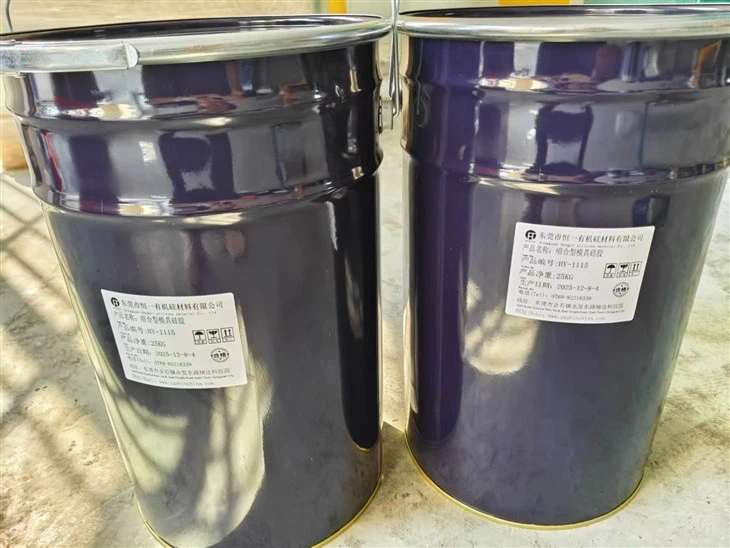
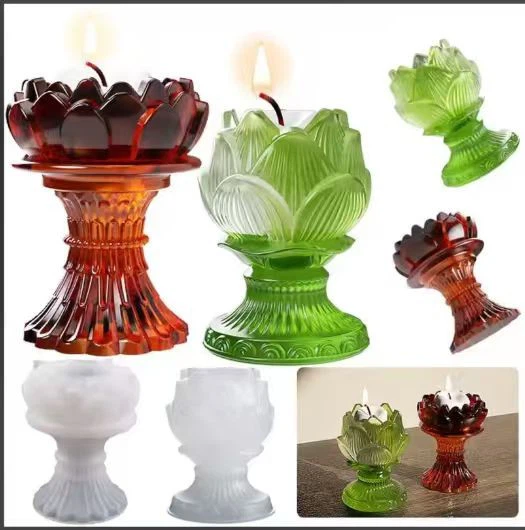
As a supplier of resin silicone liquid, I've seen firsthand how important the right catalyst is for our customers. We offer a range of resin silicone liquids along with the appropriate catalysts to ensure that our customers get the best results. Whether you're a hobbyist looking to create some cool art pieces or an industrial manufacturer in need of high - quality molds, we've got you covered.
If you're thinking about using resin silicone liquid for your next project, don't hesitate to reach out. We can help you choose the right product and catalyst based on your specific needs. Whether it's for a small - scale DIY project or a large - scale industrial application, we're here to make sure you have a successful experience with our resin silicone liquid.
So, if you're interested in discussing your requirements, don't be shy. Let's start a conversation and see how we can work together to bring your project to life. Whether it's for the art world, industrial applications, or any other use of resin silicone liquid, we're ready to assist you with the best products and advice.
References:
- General knowledge about resin silicone liquid and catalysts from industry experience.
- Information from various research on the chemical processes involved in resin silicone curing.