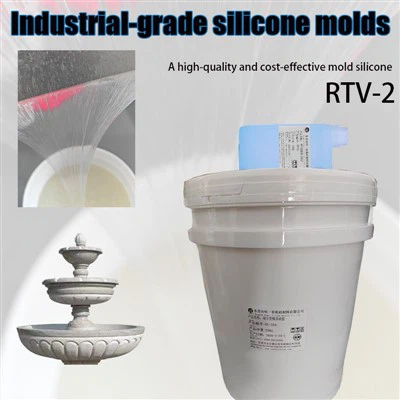
As a supplier of two-component silicone, I'm often asked about the lifespan of this remarkable material. Two-component silicone, also known as RTV (Room Temperature Vulcanizing) silicone, is a popular choice for a wide range of applications due to its excellent properties such as high flexibility, chemical resistance, and thermal stability. In this blog post, I'll delve into the factors that influence the longevity of two-component silicone and provide some insights on how to maximize its lifespan.
Understanding Two-Component Silicone
Two-component silicone consists of two parts: a base and a curing agent. When these two components are mixed together, a chemical reaction occurs, resulting in the formation of a solid, rubber-like material. This curing process can take anywhere from a few hours to several days, depending on the specific product and environmental conditions.
Two-component silicone is available in various formulations, each designed for specific applications. Some common types include condensation-cure silicone and addition-cure silicone. Condensation-cure silicone is typically used for general-purpose applications, while addition-cure silicone is preferred for high-performance applications that require excellent mechanical properties and low shrinkage.
Factors Affecting the Lifespan of Two-Component Silicone
The lifespan of two-component silicone can vary significantly depending on several factors. Here are some of the key factors that can influence its longevity:
1. Application Environment
The environment in which the two-component silicone is used plays a crucial role in determining its lifespan. Exposure to extreme temperatures, humidity, UV radiation, chemicals, and mechanical stress can all have a negative impact on the material's performance and durability.
For example, if the silicone is used in an outdoor application where it is exposed to direct sunlight and harsh weather conditions, it may degrade more quickly due to UV radiation and oxidation. On the other hand, if the silicone is used in a controlled indoor environment, it may last longer.
2. Quality of the Silicone
The quality of the two-component silicone product also affects its lifespan. Higher-quality silicone products are typically formulated with better raw materials and manufacturing processes, which can result in improved performance and durability.
When choosing a two-component silicone product, it's important to select a reputable supplier that offers high-quality products. Look for products that have been tested and certified to meet industry standards.
3. Proper Installation and Curing
Proper installation and curing are essential for ensuring the long-term performance of two-component silicone. If the silicone is not mixed correctly or applied properly, it may not cure properly, which can lead to premature failure.
It's important to follow the manufacturer's instructions carefully when mixing and applying the two-component silicone. Make sure to use the correct ratio of base and curing agent, and allow sufficient time for the silicone to cure.
4. Maintenance and Care
Regular maintenance and care can also extend the lifespan of two-component silicone. Depending on the application, it may be necessary to clean the silicone periodically to remove dirt, debris, and other contaminants.


Avoid using harsh chemicals or abrasive cleaners on the silicone, as these can damage the material. Instead, use a mild soap and water solution to clean the silicone.
Typical Lifespan of Two-Component Silicone
The typical lifespan of two-component silicone can vary depending on the factors mentioned above. In general, two-component silicone can last anywhere from a few years to several decades.
For example, in a well-maintained indoor application, two-component silicone can last up to 20 years or more. In an outdoor application where the silicone is exposed to harsh weather conditions, its lifespan may be reduced to 5-10 years.
It's important to note that these are just general estimates, and the actual lifespan of two-component silicone may vary depending on the specific application and environmental conditions.
Maximizing the Lifespan of Two-Component Silicone
To maximize the lifespan of two-component silicone, it's important to take the following steps:
1. Choose the Right Product
Select a two-component silicone product that is specifically designed for your application. Consider factors such as the environment, temperature, chemical exposure, and mechanical stress when choosing a product.
2. Follow the Manufacturer's Instructions
Read and follow the manufacturer's instructions carefully when mixing and applying the two-component silicone. Make sure to use the correct ratio of base and curing agent, and allow sufficient time for the silicone to cure.
3. Provide Proper Support and Protection
Ensure that the two-component silicone is properly supported and protected from mechanical stress, vibration, and other factors that can cause damage. Use appropriate mounting hardware and seals to prevent movement and leakage.
4. Perform Regular Maintenance
Regularly inspect the two-component silicone for signs of damage or wear. Clean the silicone periodically to remove dirt, debris, and other contaminants. If any damage is detected, repair or replace the silicone as soon as possible.
Applications of Two-Component Silicone
Two-component silicone is used in a wide range of applications, including:
1. Mold Making
Two-component silicone is commonly used for mold making in industries such as art, jewelry, and manufacturing. It can be used to create molds for casting various materials, including resin, wax, and concrete. The Mold Production Failed. 90% Of The Reason Was That The Wrong Type Of Silicone Was Chosen.
2. Sealing and Gasketing
Two-component silicone is an excellent choice for sealing and gasketing applications due to its high flexibility, chemical resistance, and weatherability. It can be used to seal joints, gaps, and openings in various structures, including buildings, vehicles, and equipment.
3. Encapsulation and Potting
Two-component silicone is often used for encapsulation and potting applications to protect electronic components from moisture, dust, and other contaminants. It can be used to fill voids and cavities in electronic devices, providing insulation and mechanical support.
4. Medical and Dental Applications
Two-component silicone is used in medical and dental applications due to its biocompatibility and low toxicity. It can be used to create medical devices, such as catheters, implants, and dental impressions.
5. Art and Crafts
Two-component silicone is popular among artists and crafters for its versatility and ease of use. It can be used to create a variety of art projects, including sculptures, jewelry, and molds. Cultural stone mold silicone liquid Condensation Mold Silicone Inks For Concrete/Cement Silicone For Large-scale Stone Buildings To Create Exquisite Lotus Lantern Molds, Choosing The Right Industrial-grade Mold Silicone Is The Key.
Conclusion
Two-component silicone is a versatile and durable material that can last for many years if properly installed and maintained. The lifespan of two-component silicone can vary depending on several factors, including the application environment, quality of the product, proper installation and curing, and maintenance and care.
As a supplier of two-component silicone, I'm committed to providing high-quality products and excellent customer service. If you have any questions about two-component silicone or need help choosing the right product for your application, please don't hesitate to contact me. We can discuss your specific requirements and provide you with the best solutions. Let's start a conversation and explore how our two-component silicone can meet your needs.
References
- Silicone Rubber Handbook: Properties, Processing, and Applications, Second Edition by Michael A. Brook
- RTV Silicone Rubber: A Comprehensive Guide by Roger W. Rice
- Handbook of Sealants: Theory and Practice by Robert M. Ross