How thick can ancient architecture silicone be applied?
As a seasoned supplier of ancient architecture silicone, I've encountered numerous inquiries regarding the optimal application thickness of this remarkable material. In this blog post, I aim to delve into this topic in detail, exploring the factors that influence the application thickness and providing practical insights for achieving the best results.
Understanding Ancient Architecture Silicone
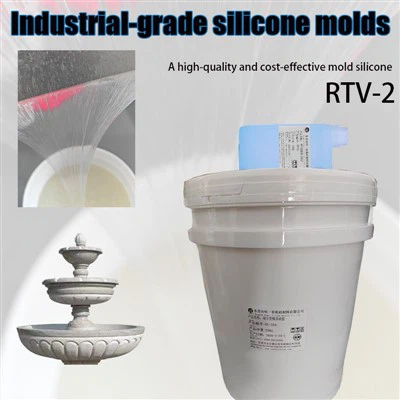
Ancient architecture silicone is a specialized material designed to replicate the intricate details and textures of historical buildings. It offers excellent flexibility, durability, and resistance to environmental factors, making it an ideal choice for restoring and preserving ancient structures. Whether you're working on a small-scale restoration project or a large-scale architectural replication, the proper application of silicone is crucial for achieving a seamless and authentic finish.
Factors Affecting Application Thickness
Several factors come into play when determining the appropriate thickness of ancient architecture silicone. These factors include the type of silicone, the surface texture, the intended use, and the environmental conditions. Let's take a closer look at each of these factors:
- Type of Silicone: Different types of silicone have varying viscosities and curing properties, which can affect the application thickness. For example, high-viscosity silicone is better suited for thick applications, while low-viscosity silicone is more suitable for thin layers. It's important to choose the right type of silicone based on your specific project requirements.
- Surface Texture: The surface texture of the substrate can also influence the application thickness. Rough or porous surfaces may require a thicker layer of silicone to ensure proper adhesion and coverage. On the other hand, smooth surfaces may only need a thin layer of silicone to achieve a seamless finish.
- Intended Use: The intended use of the silicone also plays a role in determining the application thickness. If the silicone is being used for structural support or reinforcement, a thicker layer may be necessary. However, if the silicone is being used for cosmetic purposes, a thinner layer may be sufficient.
- Environmental Conditions: The environmental conditions, such as temperature and humidity, can affect the curing time and performance of the silicone. In hot and dry conditions, the silicone may cure more quickly, which can result in a thinner layer. In cold and humid conditions, the silicone may take longer to cure, which can allow for a thicker layer to be applied.
Recommended Application Thickness
Based on my experience as a supplier of ancient architecture silicone, I recommend applying the silicone in layers of approximately 2-3 millimeters. This thickness provides a good balance between coverage and flexibility, ensuring that the silicone adheres well to the substrate and can withstand the test of time. However, it's important to note that the recommended application thickness may vary depending on the specific project requirements and the factors mentioned above.
Achieving Optimal Results
To achieve optimal results when applying ancient architecture silicone, it's important to follow these best practices:
- Prepare the Surface: Before applying the silicone, make sure the surface is clean, dry, and free of any dirt, dust, or debris. This will ensure proper adhesion and prevent any bubbles or imperfections from forming.
- Mix the Silicone Properly: Follow the manufacturer's instructions for mixing the silicone. Make sure to mix the silicone thoroughly to ensure a consistent texture and curing time.
- Apply the Silicone in Layers: Apply the silicone in thin layers, allowing each layer to cure before applying the next. This will help to prevent the silicone from sagging or running and ensure a smooth and even finish.
- Use the Right Tools: Use the appropriate tools, such as a spatula or a brush, to apply the silicone. This will help to ensure that the silicone is applied evenly and smoothly.
- Allow the Silicone to Cure Completely: Once the silicone has been applied, allow it to cure completely before exposing it to any environmental factors or stress. This will ensure that the silicone has reached its full strength and durability.
Additional Resources
If you're interested in learning more about ancient architecture silicone and how to achieve high precision and zero shrinkage for perfect replication, I recommend checking out the following resources:
- How To Achieve High Precision And Zero Shrinkage For Perfect Replication?
- Silicone Liquid For Molds
- Condensation Mold Silicone Inks For Veitnam Candles
Conclusion
In conclusion, the application thickness of ancient architecture silicone depends on several factors, including the type of silicone, the surface texture, the intended use, and the environmental conditions. By following the recommended application thickness and best practices, you can achieve optimal results and ensure the long-term durability and authenticity of your ancient architecture restoration or replication project.


If you're interested in purchasing ancient architecture silicone or have any questions about our products, please don't hesitate to contact us. We're here to help you find the right solution for your project and provide you with the support and expertise you need to succeed.
References
- Manufacturer's instructions for ancient architecture silicone
- Industry standards and best practices for silicone application
- Personal experience as a supplier of ancient architecture silicone