Choosing the right flip mold silicone is a crucial decision for anyone involved in mold-making, whether you're a professional craftsman, an artist, or a DIY enthusiast. As a flip mold silicone supplier, I understand the challenges you face and the importance of making an informed choice. In this blog post, I'll guide you through the key factors to consider when selecting the right flip mold silicone for your specific needs.
Understanding Flip Mold Silicone
Before diving into the selection process, it's essential to understand what flip mold silicone is and how it works. Flip mold silicone is a type of silicone rubber used to create molds for casting various materials, such as resin, wax, plaster, and concrete. It is called "flip mold" because the mold is typically made by flipping the original model over and pouring the silicone around it.
Flip mold silicone offers several advantages over other types of mold-making materials. It has excellent flexibility, which allows for easy demolding of complex shapes without damaging the mold or the cast. It also has high tear strength and durability, ensuring that the mold can withstand multiple uses and casting cycles. Additionally, flip mold silicone is resistant to heat, chemicals, and moisture, making it suitable for a wide range of applications.
Factors to Consider When Choosing Flip Mold Silicone
When choosing the right flip mold silicone, there are several factors to consider. These include the type of project, the desired properties of the mold, the curing time, and the cost. Let's take a closer look at each of these factors.
Type of Project
The first step in choosing the right flip mold silicone is to determine the type of project you're working on. Different projects require different types of silicone rubber, depending on the size, shape, and complexity of the object you're molding, as well as the material you'll be casting.
- Small, detailed objects: If you're molding small, detailed objects, such as jewelry, figurines, or dental models, you'll need a silicone rubber with a high level of detail reproduction. Look for a silicone with a low viscosity (thin consistency) and a high shore hardness (firmness) to ensure that it can capture fine details and hold its shape during casting.
- Large, complex objects: For large, complex objects, such as sculptures, furniture, or architectural elements, you'll need a silicone rubber with good flexibility and tear resistance. A medium to high viscosity silicone with a lower shore hardness will be more suitable for these types of projects, as it can easily conform to the shape of the object and withstand the stress of demolding.
- Food-grade applications: If you're using the mold for food-grade applications, such as making chocolate molds or cake decorations, you'll need a silicone rubber that is approved for food contact. Look for a silicone that is labeled as "FDA-compliant" or "food-grade" to ensure that it is safe to use with edible materials.
Desired Properties of the Mold
The next factor to consider is the desired properties of the mold. Different silicone rubbers offer different properties, such as flexibility, hardness, tear strength, and heat resistance. Depending on your project, you may need a silicone rubber with specific properties to achieve the best results.
- Flexibility: Flexibility is an important property to consider when choosing flip mold silicone, especially if you're molding objects with complex shapes or undercuts. A flexible silicone rubber will allow for easy demolding without damaging the mold or the cast. Look for a silicone with a low shore hardness (softness) for maximum flexibility.
- Hardness: Hardness is another important property to consider, as it affects the durability and detail reproduction of the mold. A harder silicone rubber will be more durable and resistant to wear and tear, but it may not be as flexible as a softer silicone. Look for a silicone with a medium to high shore hardness for projects that require high detail reproduction and durability.
- Tear strength: Tear strength is the ability of the silicone rubber to resist tearing or splitting when subjected to stress. A high tear strength silicone rubber is essential for projects that involve repeated demolding or casting of large, heavy objects. Look for a silicone with a high tear strength to ensure that your mold will last for multiple uses.
- Heat resistance: If you're using the mold for applications that involve high temperatures, such as casting molten metal or hot wax, you'll need a silicone rubber with good heat resistance. Look for a silicone that can withstand the temperatures required for your project without melting, degrading, or losing its shape.
Curing Time
The curing time of the silicone rubber is another important factor to consider, especially if you're working on a time-sensitive project. Curing time refers to the amount of time it takes for the silicone rubber to fully harden and become ready for use. Different silicone rubbers have different curing times, which can range from a few hours to several days.
- Fast-curing silicone: If you need to complete your project quickly, you may want to consider using a fast-curing silicone rubber. Fast-curing silicones typically have a shorter curing time, ranging from 1 to 4 hours, depending on the brand and type of silicone. However, fast-curing silicones may also have a shorter working time, which means you'll need to work quickly to mix and pour the silicone before it starts to harden.
- Slow-curing silicone: If you have more time to complete your project and want to ensure a more thorough and even cure, you may want to consider using a slow-curing silicone rubber. Slow-curing silicones typically have a longer curing time, ranging from 24 to 72 hours, depending on the brand and type of silicone. However, slow-curing silicones also have a longer working time, which gives you more time to mix and pour the silicone and make any necessary adjustments before it starts to harden.
Cost
The cost of the silicone rubber is also an important factor to consider, especially if you're working on a budget. Different silicone rubbers have different prices, depending on the brand, type, quality, and quantity. When choosing the right flip mold silicone, it's important to balance the cost with the quality and performance of the product.
- Budget-friendly options: If you're on a tight budget, you may want to consider using a budget-friendly silicone rubber. Budget-friendly silicones typically have a lower price point, but they may also have lower quality and performance compared to more expensive silicones. However, for small projects or projects where high precision is not required, a budget-friendly silicone may be a suitable option.
- High-quality options: If you're working on a large, complex project or a project that requires high precision and durability, you may want to invest in a high-quality silicone rubber. High-quality silicones typically have a higher price point, but they also offer better performance, longer lifespan, and more consistent results compared to budget-friendly silicones.
Recommended Flip Mold Silicone Products
As a flip mold silicone supplier, I offer a wide range of high-quality silicone rubber products that are suitable for various applications. Here are some of my recommended products:


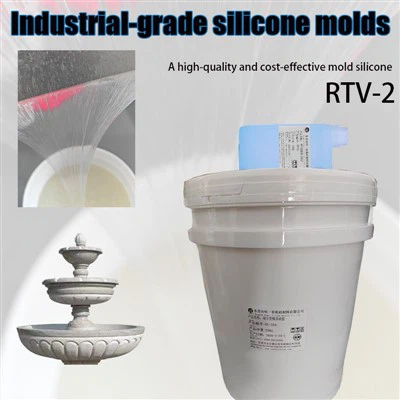
- Choosing The Wrong Silicone For Cultural Stone Molds Leads To Blurry Textures, Mold Blistering, And Short Lifespan? Try This Industrial-grade Solution.: This industrial-grade silicone rubber is specifically designed for making cultural stone molds. It offers excellent detail reproduction, high tear strength, and long-lasting durability, making it ideal for creating realistic and long-lasting cultural stone molds.
- Condensation Mold Silicone Inks For Lotus Candles: This condensation mold silicone is perfect for making lotus candle molds. It has a low viscosity and a fast curing time, allowing for easy pouring and quick demolding. It also offers excellent flexibility and tear resistance, ensuring that the mold can withstand multiple uses and casting cycles.
- Silicone used for making glassware molds: This silicone rubber is specially formulated for making glassware molds. It has a high heat resistance and a low shrinkage rate, ensuring that the mold can withstand the high temperatures required for casting glass and produce accurate and precise glassware.
- Condensation Mold Silicone: This condensation mold silicone is a versatile and reliable option for making a wide range of molds, including jewelry molds, figurine molds, and dental molds. It offers excellent detail reproduction, high tear strength, and good flexibility, making it suitable for both small and large projects.
- Silicone For Large-scale Stone Buildings: This silicone rubber is designed for making large-scale stone building molds. It has a high viscosity and a high shore hardness, allowing it to easily conform to the shape of the building and withstand the stress of demolding. It also offers excellent durability and long-lasting performance, ensuring that the mold can be used for multiple casting cycles.
Conclusion
Choosing the right flip mold silicone is essential for achieving the best results in your mold-making projects. By considering the type of project, the desired properties of the mold, the curing time, and the cost, you can select the silicone rubber that is best suited for your specific needs. As a flip mold silicone supplier, I'm here to help you make the right choice and provide you with the high-quality products and support you need to succeed.
If you have any questions or need further assistance in choosing the right flip mold silicone for your project, please don't hesitate to contact me. I'm happy to provide you with more information, product samples, and technical support. Let's work together to bring your creative ideas to life!
References
- "Silicone Rubber: Properties and Applications." Elastomer Technology Handbook, edited by A. K. Bhowmick and H. L. Stephens, Marcel Dekker, 2001.
- "Mold-Making with Silicone Rubber." Craft Techniques in Metal and Jewelry, edited by Tim McCreight, Jewelry Arts Press, 2006.
- "Silicone Rubber Molds for Casting." The Complete Guide to Mold-Making and Casting, edited by Charles E. Brooks, North Light Books, 2009.