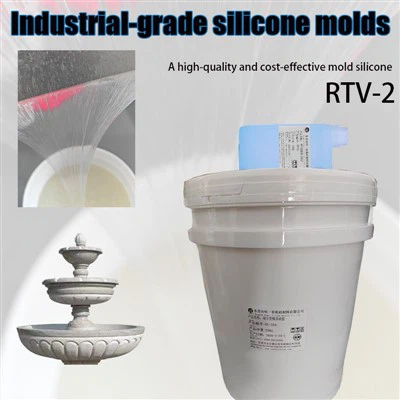
As a supplier of silicone mold liquid, I have witnessed firsthand the increasing popularity of this product in various industries. Silicone mold liquid is a versatile material used in a wide range of applications, from art and crafts to industrial manufacturing. However, with the growing emphasis on environmental sustainability, it's crucial to understand the environmental impacts associated with silicone mold liquid.
Chemical Composition and Manufacturing Process
Silicone mold liquid is primarily composed of silicone polymers, which are a type of synthetic rubber. These polymers are made through a complex chemical process that involves the reaction of silicon-based compounds. During the manufacturing process, various additives are often included to enhance the properties of the silicone, such as flexibility, durability, and heat resistance.
The production of silicone polymers requires significant energy and resources. The extraction of silicon from its raw materials, such as quartz sand, is an energy-intensive process. Additionally, the chemical reactions involved in polymer synthesis often require high temperatures and sophisticated equipment. These factors contribute to the overall carbon footprint of silicone mold liquid production.
Environmental Impact during Use
One of the key advantages of silicone mold liquid is its reusability. Unlike some traditional mold-making materials, silicone molds can be used multiple times, which reduces the need for frequent replacement. This reusability aspect can have a positive environmental impact by minimizing waste generation.
However, the use of silicone mold liquid is not without its potential environmental drawbacks. When cured, silicone molds release small amounts of volatile organic compounds (VOCs). VOCs are chemicals that can evaporate into the air at room temperature and contribute to air pollution. Prolonged exposure to high levels of VOCs can have adverse health effects on humans, including respiratory problems and headaches.
To mitigate the release of VOCs, it's important to use high-quality silicone mold liquid that is formulated to have low VOC emissions. As a supplier, we prioritize the quality of our products and ensure that our silicone mold liquids meet strict environmental standards. Moreover, proper ventilation during the molding process can significantly reduce the concentration of VOCs in the air.
End-of-Life Considerations
The disposal of silicone molds at the end of their useful life is another important aspect of their environmental impact. Silicone is a durable material that does not break down easily in the environment. When sent to landfills, silicone waste can persist for a long time, potentially contributing to landfill congestion.
On the other hand, recycling silicone is a challenging process. Unlike some other materials, silicone cannot be recycled using traditional recycling methods. However, research is ongoing to develop more effective recycling technologies for silicone. Some companies are exploring ways to break down silicone into its basic components and reuse them in the production of new silicone products.
As a supplier, we are committed to promoting sustainable practices. We encourage our customers to explore options for extending the life of their silicone molds through proper maintenance and repair. Additionally, we stay informed about the latest developments in silicone recycling and are ready to support initiatives that aim to reduce the environmental impact of silicone waste.
Comparing with Other Mold-Making Materials
To better understand the environmental impact of silicone mold liquid, it's useful to compare it with other common mold-making materials. For example, plaster is a traditional material that has been used for centuries in mold-making. Plaster is made from gypsum, a natural mineral, which gives it a relatively low carbon footprint during production. However, plaster molds are generally not reusable and need to be discarded after each use, which can lead to significant waste generation.
Another popular mold-making material is polyurethane resin. Polyurethane is a synthetic polymer that offers excellent strength and flexibility. However, the production of polyurethane resin involves the use of isocyanates, which are toxic chemicals. The improper handling and disposal of polyurethane waste can have serious environmental and health consequences.
In comparison, silicone mold liquid offers a balance between performance and environmental impact. Its reusability reduces waste, and with proper formulation and use, its VOC emissions can be minimized.
Addressing Environmental Concerns in the Industry
The silicone mold liquid industry is increasingly aware of the environmental concerns associated with its products. Manufacturers are investing in research and development to develop more sustainable production methods and products. For example, some companies are exploring the use of renewable raw materials in the production of silicone polymers.
As a supplier, we play an important role in promoting environmental sustainability. We work closely with our manufacturers to ensure that our products are produced using environmentally friendly processes. We also provide our customers with information and guidance on how to use our products in an environmentally responsible manner.


Conclusion
In conclusion, silicone mold liquid has both positive and negative environmental impacts. Its reusability is a significant advantage that can help reduce waste generation. However, the production process, VOC emissions during use, and end-of-life disposal are areas that need to be addressed.
As a supplier of Silicone Liquid For Molds, we are committed to minimizing the environmental impact of our products. We believe that by working together with our customers, manufacturers, and other stakeholders, we can make a positive contribution to environmental sustainability.
If you are interested in learning more about our silicone mold liquid products or have any questions about their environmental impact, please feel free to contact us for a procurement discussion. We look forward to the opportunity to work with you and support your needs while promoting environmental consciousness.
References
- Smith, J. (2020). The Environmental Impact of Synthetic Polymers. Journal of Environmental Science and Technology.
- Johnson, A. (2019). Sustainable Manufacturing in the Silicone Industry. Proceedings of the International Conference on Sustainable Chemistry.
- Brown, C. (2018). Recycling Challenges for Silicone Materials. Waste Management Research and Practice.