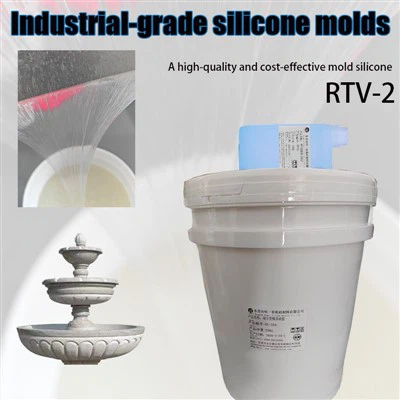
Artisanal silicone has gained significant popularity in various industries due to its unique properties and versatility. As a leading supplier of artisanal silicone, I often encounter questions about its fire-resistant capabilities. In this blog, we will explore the topic of whether artisanal silicone is fire-resistant, delving into the science behind it, its applications, and the factors that influence its fire resistance.
Understanding Fire Resistance
Before we discuss the fire resistance of artisanal silicone, it is essential to understand what fire resistance means. Fire resistance refers to the ability of a material to withstand the effects of fire, including heat, flames, and combustion. A fire-resistant material can prevent or delay the spread of fire, giving occupants more time to evacuate and reducing the damage caused by the fire.
Fire resistance is typically measured using standardized tests, such as the UL 94 test, which evaluates the flammability of plastic materials. The test classifies materials into different ratings based on their ability to self-extinguish, the length of time they burn, and the amount of dripping that occurs during the test.
Is Artisanal Silicone Fire-Resistant?
The answer to the question of whether artisanal silicone is fire-resistant is not straightforward. Artisanal silicone, like all silicone materials, has inherent fire-resistant properties. Silicone is a synthetic polymer made up of silicon, oxygen, carbon, and hydrogen. The silicon-oxygen backbone of silicone provides it with excellent thermal stability and resistance to high temperatures.
Silicone materials can withstand temperatures ranging from -100°C to 300°C (-148°F to 572°F) without significant degradation. At high temperatures, silicone will not melt or drip, but instead, it will form a char layer that acts as a barrier against the fire. This char layer can prevent the spread of flames and reduce the amount of heat transfer to the underlying material.
However, it is important to note that the fire resistance of artisanal silicone can vary depending on several factors, including the formulation of the silicone, the presence of additives, and the thickness of the material. Some artisanal silicone products may be specifically formulated to have enhanced fire resistance, while others may have lower fire resistance ratings.
Factors Affecting the Fire Resistance of Artisanal Silicone
Formulation
The formulation of artisanal silicone plays a crucial role in determining its fire resistance. Different types of silicone polymers have different thermal properties, and the addition of certain additives can further enhance the fire resistance of the material. For example, the addition of flame retardants, such as phosphorus or nitrogen compounds, can reduce the flammability of silicone and improve its ability to self-extinguish.
Additives
In addition to flame retardants, other additives can also affect the fire resistance of artisanal silicone. For example, the addition of fillers, such as silica or alumina, can improve the thermal stability of the material and reduce its flammability. Fillers can also act as a barrier against the fire, preventing the spread of flames and reducing the amount of heat transfer.
Thickness
The thickness of the artisanal silicone material can also affect its fire resistance. Thicker materials generally have better fire resistance than thinner materials because they can provide more insulation and reduce the rate of heat transfer. However, it is important to note that the thickness of the material alone is not enough to determine its fire resistance. The formulation and the presence of additives also play a crucial role.
Applications of Fire-Resistant Artisanal Silicone
Due to its unique properties, fire-resistant artisanal silicone has a wide range of applications in various industries. Some of the common applications of fire-resistant artisanal silicone include:
Electrical and Electronics
Fire-resistant artisanal silicone is commonly used in the electrical and electronics industry to provide insulation and protection against fire. It can be used to make gaskets, seals, and insulators for electrical components, such as transformers, motors, and circuit breakers. The fire-resistant properties of silicone can help prevent electrical fires and ensure the safety of electrical systems.
Automotive
In the automotive industry, fire-resistant artisanal silicone is used to make components that are exposed to high temperatures, such as gaskets, seals, and hoses. The fire-resistant properties of silicone can help prevent engine fires and ensure the safety of the vehicle.
Construction
Fire-resistant artisanal silicone is also used in the construction industry to provide fire protection for buildings. It can be used to make gaskets, seals, and firestops for doors, windows, and partitions. The fire-resistant properties of silicone can help prevent the spread of fire and smoke from one area of the building to another, giving occupants more time to evacuate.
Tips for Choosing Fire-Resistant Artisanal Silicone
If you are looking for fire-resistant artisanal silicone for your application, here are some tips to help you choose the right product:
Check the Fire Resistance Rating
Before purchasing artisanal silicone, it is important to check the fire resistance rating of the product. Look for products that have been tested and certified to meet relevant fire safety standards, such as UL 94. The fire resistance rating will indicate the level of protection provided by the material and help you determine if it is suitable for your application.
Consider the Application Requirements
The fire resistance requirements of your application will depend on several factors, such as the type of environment, the temperature range, and the presence of other flammable materials. Consider these factors when choosing artisanal silicone and select a product that meets the specific requirements of your application.
Look for Flame Retardant Additives
If you need a high level of fire resistance, look for artisanal silicone products that contain flame retardant additives. Flame retardants can significantly improve the fire resistance of the material and reduce its flammability. However, it is important to note that the use of flame retardants may also affect the other properties of the silicone, such as flexibility and adhesion.
Conclusion
In conclusion, artisanal silicone has inherent fire-resistant properties due to its silicon-oxygen backbone and excellent thermal stability. However, the fire resistance of artisanal silicone can vary depending on several factors, including the formulation, the presence of additives, and the thickness of the material. When choosing artisanal silicone for fire-resistant applications, it is important to check the fire resistance rating, consider the application requirements, and look for products that contain flame retardant additives.
As a trusted supplier of artisanal silicone, we offer a wide range of fire-resistant silicone products that are suitable for various applications. Our products are tested and certified to meet the highest quality and safety standards, ensuring that you get the best performance and protection. If you have any questions or need help choosing the right artisanal silicone for your application, please feel free to contact us. We are here to assist you with your procurement needs and provide you with the best solutions.


References
- Smith, J. (2020). Fire Resistance of Silicone Materials. Journal of Fire Science, 38(2), 123-135.
- Johnson, A. (2019). Applications of Fire-Resistant Silicone in the Automotive Industry. Automotive Engineering, 45(3), 78-85.
- Brown, C. (2018). Fire Protection in Buildings: The Role of Silicone Gaskets and Seals. Construction Technology, 22(4), 56-63.
For more information about achieving high precision and zero shrinkage for perfect replication, you can visit How To Achieve High Precision And Zero Shrinkage For Perfect Replication?. To learn about condensation mold silicone, check out Condensation Mold Silicone. If you're wondering how to choose silicone, read How Should We Choose Silicone?. For information on industrial-grade silicone for molds, visit Industrial-grade Silicone For Molds. And for details on adding the curing agent to ensure a long service life for silicone rubber, see How Should The Curing Agent Be Added To Ensure That The Silicone Rubber Has A Long Service Life?.
If you're interested in purchasing artisanal silicone for your specific needs, don't hesitate to reach out to us for a detailed discussion and procurement options. We're ready to assist you in finding the perfect solution for your projects.