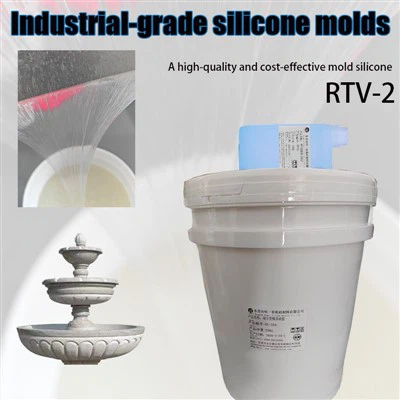
When dealing with mold silicone liquid, safety is of utmost importance. As a trusted supplier of mold silicone liquid, I understand the significance of providing clear guidance on safety precautions to ensure that our customers can use our products safely and effectively. In this blog post, I will outline the key safety measures to take when using mold silicone liquid.
1. Personal Protective Equipment (PPE)
- Gloves: Always wear appropriate chemical - resistant gloves when handling mold silicone liquid. The liquid can be irritating to the skin, and wearing gloves helps prevent direct contact, reducing the risk of skin irritation, allergic reactions, or chemical burns. Nitrile gloves are a common choice as they offer good resistance to a wide range of chemicals.
- Safety Goggles: Protect your eyes from potential splashes or fumes. Mold silicone liquid can cause serious eye damage if it comes into contact with your eyes. Safety goggles should be worn at all times during the mixing, pouring, and handling processes.
- Respirator: Some mold silicone liquids may release fumes during the curing process, especially those with strong odors or containing volatile organic compounds (VOCs). A respirator with appropriate filters can protect you from inhaling these fumes, reducing the risk of respiratory problems, headaches, or dizziness. Check the product's safety data sheet (SDS) to determine if a respirator is necessary.
2. Handling and Mixing
- Read the SDS: Before using any mold silicone liquid, carefully read the safety data sheet provided by the manufacturer. The SDS contains important information about the product's composition, hazards, safe handling procedures, and first - aid measures. It is essential to be familiar with this information to ensure safe usage.
- Mixing in a Well - ventilated Area: Whether you are using Condensation Mold Silicone Inks For Veitnam Candles or other types of mold silicone liquid, always mix it in a well - ventilated space. This can be an open outdoor area or a room with good air circulation, such as a workshop with exhaust fans. Adequate ventilation helps disperse any fumes that may be released during the mixing process, reducing your exposure to potentially harmful chemicals.
- Follow the Mixing Ratio: Each mold silicone liquid product has a specific mixing ratio of the base material and the curing agent. Deviating from this ratio can lead to improper curing, which may affect the quality of the mold and also pose safety risks. Use accurate measuring tools, such as graduated cylinders or scales, to ensure that you are mixing the components in the correct proportion.
3. Storage and Transportation
- Proper Storage Conditions: Store mold silicone liquid in a cool, dry place away from direct sunlight and heat sources. High temperatures can cause the product to degrade or cure prematurely, reducing its shelf life and performance. Keep the containers tightly sealed to prevent evaporation and contamination.
- Separate from Incompatible Substances: Some chemicals may react with mold silicone liquid. Store it separately from acids, alkalis, strong oxidizers, and other substances that could potentially cause a chemical reaction. Refer to the SDS for a list of incompatible substances.
- Safe Transportation: When transporting mold silicone liquid, ensure that the containers are tightly closed and properly secured to prevent leaks or spills. Avoid transporting the product in extreme temperatures or in environments where it may be subject to damage.
4. Workspace Safety
- Clean and Organized Workspace: Keep your workspace clean and organized. Remove any unnecessary clutter and ensure that there is enough space to work safely. A clean workspace reduces the risk of accidents, such as tripping or knocking over containers of mold silicone liquid.
- Spill Clean - up: Have a spill - clean - up plan in place. If a spill occurs, immediately contain the spill using absorbent materials, such as sand or a spill pillow. Avoid using water to clean up silicone spills, as it may spread the liquid and make the clean - up more difficult. Dispose of the contaminated absorbent materials according to local regulations.
5. Fire and Flammability
- Check for Flammability: Some mold silicone liquids may be flammable, especially those containing organic solvents or reactive components. Check the SDS to determine if the product is flammable and take appropriate precautions. Keep the product away from open flames, sparks, and other potential ignition sources.
- Fire - extinguishing Equipment: Have appropriate fire - extinguishing equipment available in your workspace, such as a dry - chemical fire extinguisher. Make sure you know how to use the fire extinguisher properly in case of a fire emergency.
6. Post - use Safety
- Curing and Demolding: After the mold silicone liquid has been poured into the mold, allow it to cure completely according to the manufacturer's instructions. Do not attempt to demold the item before the curing process is finished, as this can damage the mold and the product.
- Disposal: Dispose of any leftover mold silicone liquid, empty containers, and mixing tools in accordance with local environmental regulations. Do not pour the liquid down the drain or into the environment, as it can cause pollution and ecological damage.
It is also important to note that different types of mold silicone liquids have different characteristics. For example, High Performance Mold Making Silicone - Tin Cure may have different safety considerations compared to other formulations. The What Are The Different Types Of Silicone Molds? article provides more insights into the various types of silicone molds and their associated materials. If you are in the business of making lotus candles, Condensation Mold Silicone Inks For Lotus Candles and the precautions specific to it are essential. For large - scale projects like stone buildings, Silicone For Large - scale Stone Buildings requires careful handling and a proper understanding of safety procedures.


In conclusion, following these safety precautions is crucial when using mold silicone liquid. By taking the necessary steps to protect yourself, your workspace, and the environment, you can ensure a safe and successful molding process. If you have any questions about the safety of our mold silicone liquid products or need further information, feel free to reach out to us for detailed advice and guidance. We are always ready to help you make the right choices for your molding projects. If you're interested in purchasing our high - quality mold silicone liquid products, don't hesitate to contact us for procurement discussions.
References
- Manufacturer's Safety Data Sheets for mold silicone liquid products
- Industry standards and guidelines for handling chemical substances