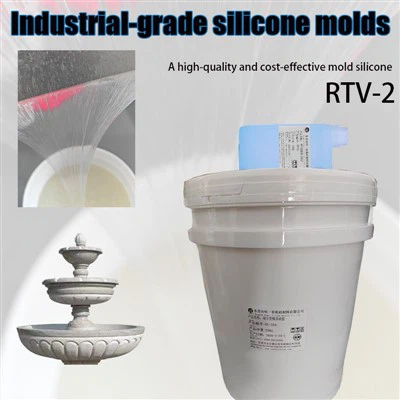
Yo, what's up everyone! As a supplier of condensation type silicone, I'm stoked to dive deep into the topic of "What is the adhesion of condensation type silicone?"
First off, let's get a basic understanding of condensation type silicone. It's a type of silicone rubber that cures through a condensation reaction. This kind of silicone is pretty popular in a bunch of industries 'cause it's got some cool features like good flexibility, heat resistance, and chemical stability.
Now, onto the adhesion part. Adhesion is super important when it comes to condensation type silicone. It determines how well the silicone sticks to different surfaces. You know, in a lot of applications, whether the silicone can firmly attach to other materials is crucial for the whole product's performance and durability.
There are a few factors that affect the adhesion of condensation type silicone. One of the major ones is the surface condition of the substrate. If the surface is dirty, greasy, or has some kind of coating on it, the adhesion of the silicone will be seriously impacted. For example, if you're trying to bond the silicone to a metal surface that's covered in oil, the silicone just won't stick well. It's like trying to put tape on a slippery surface – it's gonna slide right off.
Another factor is the curing conditions. When the condensation type silicone is curing, the temperature, humidity, and curing time all play a role in its adhesion. If the temperature is too low, the curing process might be really slow, and the adhesion might not reach its full potential. On the other hand, if the humidity is too high, it could cause some problems in the curing reaction and also affect the adhesion.
The type of primer used can also make a big difference. A good primer can enhance the adhesion between the condensation type silicone and the substrate. There are different primers available on the market, and each one is designed for specific substrates. For instance, if you're using the silicone on a plastic surface, you'll need a primer that's suitable for plastics.
Let's talk about some real - world applications to see how important the adhesion of condensation type silicone is.
In the field of mold making, which is one of the most common uses of condensation type silicone. Whether it's making molds for jewelry, candles, or even large - scale stone buildings, the adhesion is key. For example, when making a mold for candles, the silicone liquid used for making the mold needs to firmly adhere to the master model. If the adhesion is poor, the mold might separate from the master model during the process, leading to a flawed mold. You can check out more about The Silicone Liquid Used For Making The Silicone Mold For Candles here.

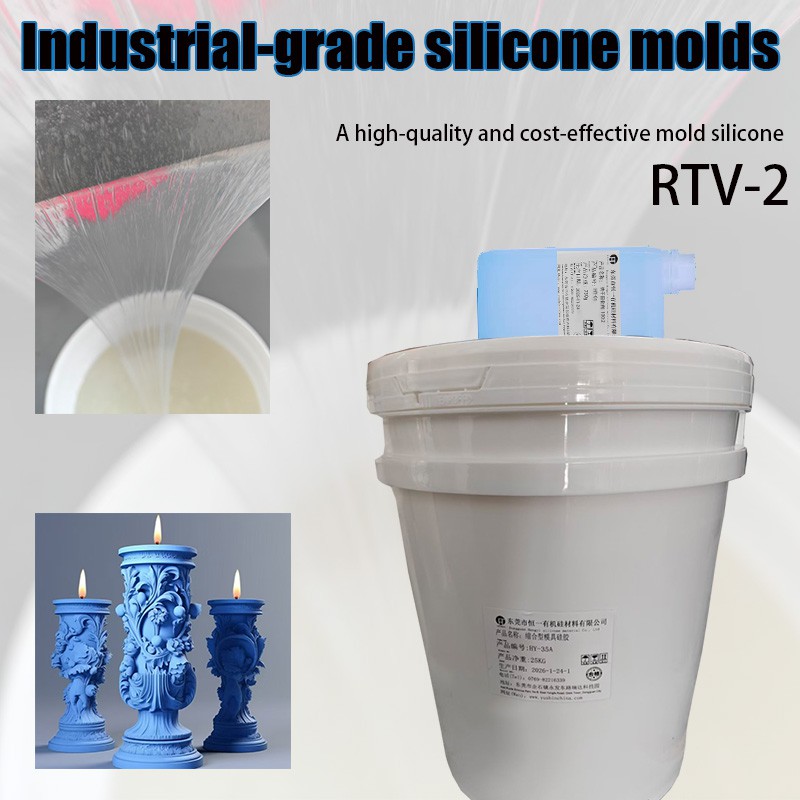
When it comes to large - scale stone buildings, the silicone is often used for creating precise molds. The adhesion of the silicone to the stone or other building materials ensures that the mold can accurately replicate the shape and details of the building elements. You can find more info about Silicone For Large - scale Stone Buildings on this link.
In the concrete and cement industry, condensation mold silicone inks are used to create molds for concrete products. The good adhesion of the silicone to the concrete or cement surface is essential for getting high - quality molds. You can learn more about Condensation Mold Silicone Inks For Concrete/Cement at the provided link.
Now, to achieve good adhesion, there are some tips and tricks. First, always make sure to properly clean the surface of the substrate. You can use solvents or cleaning agents to remove any dirt, grease, or contaminants. Then, apply the primer evenly on the surface according to the manufacturer's instructions.
When it comes to mixing the condensation type silicone and the curing agent, it's also important to do it right. Adding the curing agent in the correct ratio and method is crucial for both the curing process and the adhesion. You can learn more about How Should The Curing Agent Be Added To Ensure That The Silicone Rubber Has A Long Service Life? by clicking on this link.
Another aspect is to control the curing conditions. Keep the temperature and humidity within the recommended range for the specific type of condensation type silicone you're using. This will help the silicone cure properly and develop good adhesion.
If you're aiming for high - precision and zero - shrinkage in the replication process using condensation type silicone, there are also some techniques and considerations. You can check out How To Achieve High Precision And Zero Shrinkage For Perfect Replication? to learn more about this.
As a supplier of condensation type silicone, I've seen firsthand how important good adhesion is in different applications. We've been working hard to provide high - quality silicone products that have excellent adhesion properties. Our team is always ready to offer technical support and advice to help you get the best results with our condensation type silicone.
If you're in need of condensation type silicone for your projects, whether it's for mold making, construction, or any other application, don't hesitate to reach out. We can have a chat about your specific requirements, and I'm sure we can find the right silicone solution for you.
In conclusion, the adhesion of condensation type silicone is a complex but crucial aspect. By understanding the factors that affect it and following the right procedures, you can make the most out of this amazing material. So, if you're interested in our products or have any questions, just drop us a line and let's start a conversation!
References:
- General knowledge in the silicone industry
- Product manuals and technical data sheets of condensation type silicone