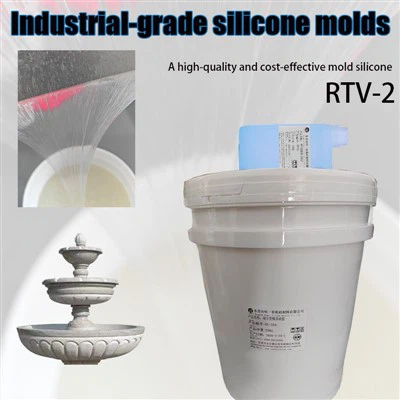
What is embossing silicone? Embossing silicone is a remarkable material that has found its way into a wide range of industries, offering unique properties and applications. As a leading supplier of embossing silicone, I am excited to share with you the ins and outs of this fascinating product.
Understanding Embossing Silicone
Embossing silicone is a type of silicone rubber that is specifically formulated to create raised or textured patterns on various surfaces. It is commonly used in printing, packaging, and manufacturing processes to add a decorative or functional element to products. The embossing process involves applying the silicone to a surface and then using heat, pressure, or a combination of both to create the desired pattern.
One of the key advantages of embossing silicone is its versatility. It can be used on a variety of materials, including paper, cardboard, plastic, metal, and fabric. This makes it a popular choice for a wide range of applications, from branding and labeling to product packaging and automotive interiors.
Properties of Embossing Silicone
Embossing silicone offers several unique properties that make it an ideal choice for many applications. Here are some of the key properties of embossing silicone:
- Flexibility: Embossing silicone is highly flexible, allowing it to conform to a variety of shapes and surfaces. This makes it ideal for creating intricate patterns and designs.
- Durability: Embossing silicone is resistant to wear, tear, and environmental factors, making it a long-lasting solution for many applications.
- Heat resistance: Embossing silicone can withstand high temperatures without losing its shape or properties, making it suitable for use in applications that require heat resistance.
- Chemical resistance: Embossing silicone is resistant to a wide range of chemicals, making it suitable for use in applications that require chemical resistance.
- Non-toxic: Embossing silicone is non-toxic and safe for use in food packaging and other applications that require contact with food.
Applications of Embossing Silicone
Embossing silicone has a wide range of applications in various industries. Here are some of the most common applications of embossing silicone:
- Printing and Packaging: Embossing silicone is commonly used in printing and packaging to create raised or textured patterns on labels, boxes, and other packaging materials. This can add a decorative element to the product and make it stand out on the shelves.
- Automotive Interiors: Embossing silicone is used in automotive interiors to create textured surfaces on dashboards, door panels, and other components. This can improve the tactile feel of the interior and enhance the overall aesthetic appeal of the vehicle.
- Textile Printing: Embossing silicone is used in textile printing to create raised or textured patterns on fabrics. This can add a unique and decorative element to clothing, home textiles, and other textile products.
- Medical Devices: Embossing silicone is used in medical devices to create textured surfaces that improve grip and handling. This can be particularly useful for devices that are used in wet or slippery conditions.
- Consumer Goods: Embossing silicone is used in a variety of consumer goods, such as toys, electronics, and sporting equipment, to create decorative or functional elements.
Types of Embossing Silicone
There are several types of embossing silicone available on the market, each with its own unique properties and applications. Here are some of the most common types of embossing silicone:
- Strength Silicone printing inks: Strength Silicone printing inks are designed to provide high strength and durability. They are commonly used in applications that require a strong and long-lasting embossed pattern.
- Puff Foamed Silicone Ink: Puff Foamed Silicone Ink is a type of embossing silicone that creates a raised, foamed pattern. It is commonly used in applications that require a three-dimensional effect, such as branding and labeling.
- Round Effect Silicone: Round Effect Silicone is a type of embossing silicone that creates a smooth, rounded pattern. It is commonly used in applications that require a soft and tactile feel, such as automotive interiors and consumer goods.
Advantages of Choosing Our Embossing Silicone
As a leading supplier of embossing silicone, we offer several advantages that make us the preferred choice for many customers. Here are some of the key advantages of choosing our embossing silicone:
- High Quality: We use only the highest quality raw materials and manufacturing processes to ensure that our embossing silicone meets the highest standards of quality and performance.
- Customization: We offer a wide range of customization options, including color, texture, and pattern, to meet the specific needs of our customers.
- Technical Support: Our team of experienced technical experts is available to provide support and guidance throughout the entire process, from product selection to application.
- Competitive Pricing: We offer competitive pricing without compromising on quality, making our embossing silicone an affordable solution for many applications.
- Fast Delivery: We understand the importance of timely delivery, and we work hard to ensure that our products are delivered to our customers as quickly as possible.
How to Use Embossing Silicone
Using embossing silicone is relatively straightforward, but it does require some basic knowledge and skills. Here are the general steps involved in using embossing silicone:


- Prepare the Surface: The surface to be embossed should be clean, dry, and free of any contaminants. It may be necessary to apply a primer or adhesive to ensure proper adhesion of the embossing silicone.
- Mix the Silicone: The embossing silicone is typically supplied in two parts, which need to be mixed together according to the manufacturer's instructions. It is important to mix the silicone thoroughly to ensure a consistent and uniform result.
- Apply the Silicone: The mixed silicone can be applied to the surface using a brush, roller, or spray gun. It is important to apply the silicone evenly and smoothly to ensure a consistent and uniform pattern.
- Create the Pattern: Once the silicone has been applied, the desired pattern can be created using a variety of methods, such as heat, pressure, or a combination of both. The specific method used will depend on the type of embossing silicone and the desired effect.
- Cure the Silicone: After the pattern has been created, the silicone needs to be cured to ensure that it is fully hardened and durable. The curing process typically involves heating the silicone to a specific temperature for a specific period of time.
Contact Us for Embossing Silicone
If you are interested in purchasing embossing silicone for your next project, we would be happy to help. Our team of experienced sales representatives is available to answer any questions you may have and to provide you with a free quote. Simply contact us today to get started.
References
- Silicone Rubber Handbook, Second Edition, by Michael L. Berens
- Handbook of Silicones, by Charles E. Carraher Jr. and Charles U. Pittman Jr.
- Silicone Elastomers: Chemistry and Technology, by J. R. Lichtenhan and W. B. Farnham