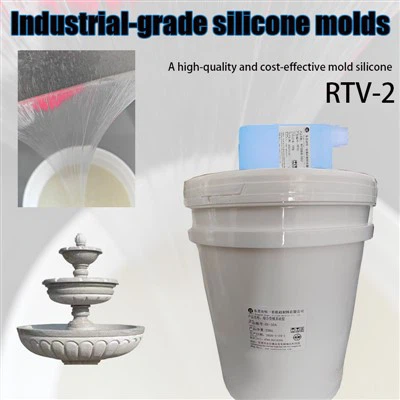
Hey there! As a re-mold silicone supplier, I often get asked about the oil resistance of re-mold silicone. It's a crucial aspect, especially for those in industries where silicone molds come into contact with various oils. So, let's dive right in and explore what the oil resistance of re-mold silicone is all about.
Understanding Re-mold Silicone
First off, re-mold silicone is an amazing material. It's flexible, durable, and can be used to create all sorts of molds. Whether you're making candles, soap, or even small figurines, re-mold silicone is a go-to choice for many artisans and manufacturers.
But when it comes to oil resistance, it's not a one-size-fits-all situation. Different types of re-mold silicone have different levels of resistance to oils. Some are better at withstanding oil exposure than others.
Factors Affecting Oil Resistance
There are several factors that can influence the oil resistance of re-mold silicone. One of the main factors is the chemical composition of the silicone. Some silicone formulations are designed to be more resistant to oils, while others may not be as effective.
Another factor is the type of oil. Different oils have different chemical properties, and some may be more aggressive towards silicone than others. For example, mineral oils, synthetic oils, and essential oils can all have different effects on re-mold silicone.
The duration of oil exposure also matters. Prolonged exposure to oil can cause the silicone to swell, degrade, or lose its physical properties. So, if you're using re-mold silicone in an environment where it will be in contact with oil for an extended period, you need to choose a silicone with good oil resistance.
Testing Oil Resistance
To determine the oil resistance of re-mold silicone, various tests can be conducted. One common test is the immersion test. In this test, a sample of the silicone is immersed in a specific oil for a certain period of time. After the immersion, the sample is examined for any changes in its appearance, dimensions, or physical properties.
Another test is the oil compatibility test. This test involves applying a small amount of oil to the silicone surface and observing how the silicone reacts. If the silicone shows signs of swelling, discoloration, or other changes, it may not be suitable for use with that particular oil.
Applications of Oil-Resistant Re-mold Silicone
Oil-resistant re-mold silicone has a wide range of applications. In the automotive industry, it can be used to make molds for gaskets, seals, and other parts that come into contact with engine oil or other lubricants. In the food industry, it can be used to make molds for chocolate, candies, and other food products that may contain oils.
In the cosmetics industry, oil-resistant re-mold silicone can be used to make molds for lip balms, lotions, and other products that contain oils. And in the art and craft industry, it can be used to make molds for resin castings, which may involve the use of oils or other solvents.
Choosing the Right Re-mold Silicone for Oil Resistance
When choosing a re-mold silicone for oil resistance, there are a few things to keep in mind. First, consider the type of oil that the silicone will be in contact with. Different oils require different levels of resistance, so make sure you choose a silicone that is suitable for the specific oil.
Second, look at the manufacturer's specifications. The manufacturer should provide information about the oil resistance of the silicone, including the types of oils it can withstand and the duration of exposure it can handle.
Finally, consider the cost. Oil-resistant re-mold silicone may be more expensive than regular silicone, but it can save you money in the long run by reducing the need for frequent mold replacements.
Our Re-mold Silicone Products
As a re-mold silicone supplier, we offer a range of products with different levels of oil resistance. Our products are designed to meet the needs of various industries, from automotive to food and cosmetics.
We have [product name 1], which is specifically formulated for high oil resistance. It can withstand prolonged exposure to a wide range of oils, including mineral oils, synthetic oils, and essential oils. This product is ideal for applications where the silicone mold will be in contact with oil for an extended period.
We also have [product name 2], which has good oil resistance and is suitable for general-purpose applications. It can handle occasional exposure to oils and is a cost-effective option for many users.
If you're interested in learning more about our re-mold silicone products and their oil resistance, you can check out our website. We have detailed information about each product, including its specifications and applications. You can also find some useful resources, such as The Silicone Liquid Used For Making The Silicone Mold For Candles, The Mold Production Failed. 90% Of The Reason Was That The Wrong Type Of Silicone Was Chosen., and Condensation Mold Silicone Inks For Lotus Candles.


Contact Us for Procurement
If you're looking for high-quality re-mold silicone with excellent oil resistance, we'd love to hear from you. Whether you're a small business or a large manufacturer, we can provide you with the right product for your needs.
Just reach out to us, and our team of experts will be happy to assist you. We can answer your questions, provide samples, and help you choose the best re-mold silicone for your application.
So, don't hesitate to contact us for procurement. Let's work together to find the perfect solution for your oil-resistant mold needs.
References
- Manufacturer's product specifications
- Industry research on silicone oil resistance