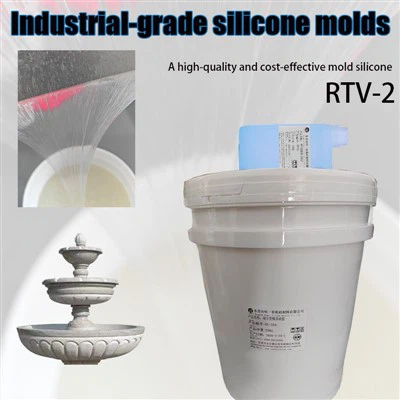
Can construction silicone liquid be used for bonding materials? This is a question that often arises in the construction and DIY communities. As a supplier of construction silicone liquid, I'm here to shed light on this topic and provide you with a comprehensive understanding of its bonding capabilities.
Understanding Construction Silicone Liquid
Construction silicone liquid is a versatile material known for its excellent sealing, waterproofing, and adhesive properties. It is a type of elastomer that cures to form a flexible, rubber - like substance. The curing process can be initiated by exposure to moisture in the air, which causes a chemical reaction that transforms the liquid into a solid state.
One of the key advantages of construction silicone liquid is its ability to adhere to a wide range of materials. It can bond effectively to glass, metal, ceramic, plastic, and various types of building materials. This makes it a popular choice for a variety of applications, from sealing joints in windows and doors to bonding decorative elements in interior design.
Bonding Capabilities of Construction Silicone Liquid
Adhesion to Different Materials
- Glass: Construction silicone liquid forms a strong bond with glass surfaces. This is particularly useful in applications such as glass installation, where it can provide both a secure seal and a reliable bond. The silicone's flexibility allows it to accommodate thermal expansion and contraction of the glass, preventing cracks and leaks.
- Metal: When bonding to metal, construction silicone liquid offers good resistance to corrosion and weathering. It can be used to join metal components in construction projects, such as metal frames or pipes. The bond is strong enough to withstand mechanical stress and vibrations.
- Ceramic and Tile: In the bathroom and kitchen, where ceramic tiles are commonly used, construction silicone liquid can be used to bond tiles to the wall or floor. It also provides a waterproof seal between the tiles, preventing water from seeping behind the tiles and causing damage.
- Plastic: Many types of plastic can be bonded using construction silicone liquid. However, it's important to note that the type of plastic can affect the bond strength. Some plastics, such as polypropylene and polyethylene, have low surface energy and may require special surface preparation before bonding.
Bond Strength and Durability
The bond strength of construction silicone liquid depends on several factors, including the type of silicone, the surface preparation of the materials being bonded, and the curing conditions. Generally, a well - applied and properly cured silicone bond can withstand significant stress and last for many years.
The durability of the bond is also influenced by environmental factors. Construction silicone liquid is resistant to UV radiation, extreme temperatures, and moisture, which makes it suitable for both indoor and outdoor applications. However, in harsh environments, such as areas with high levels of pollution or chemical exposure, the bond may degrade over time.
Factors Affecting Bonding with Construction Silicone Liquid
Surface Preparation
Proper surface preparation is crucial for achieving a strong bond. The surfaces to be bonded should be clean, dry, and free of any dirt, grease, or loose particles. In some cases, sanding or priming the surfaces may be necessary to improve the adhesion of the silicone.
Curing Conditions
The curing process of construction silicone liquid is affected by temperature and humidity. Generally, the optimal curing temperature is between 20 - 25°C (68 - 77°F), and the relative humidity should be around 50 - 60%. If the temperature is too low or the humidity is too high, the curing process may be delayed or incomplete, resulting in a weaker bond.
Compatibility of Materials
It's important to ensure that the construction silicone liquid is compatible with the materials being bonded. Some materials may react with the silicone, causing discoloration, degradation, or a weak bond. Before using the silicone, it's recommended to test it on a small, inconspicuous area of the materials.
Applications of Construction Silicone Liquid for Bonding
Construction Projects
In construction, construction silicone liquid is widely used for bonding building components. For example, it can be used to bond pre - fabricated wall panels, seal joints between concrete blocks, and attach insulation materials. The flexibility of the silicone allows it to accommodate the movement of the building due to thermal expansion and contraction, ensuring a long - lasting bond.
DIY and Home Improvement
In DIY and home improvement projects, construction silicone liquid can be used for a variety of bonding tasks. You can use it to bond wooden furniture pieces, repair cracked ceramic tiles, or attach decorative elements to walls. Its ease of use and strong bonding capabilities make it a popular choice for homeowners.


Related Resources
If you want to learn more about the use of construction silicone liquid, here are some useful resources:
- How Should The Curing Agent Be Added To Ensure That The Silicone Rubber Has A Long Service Life?
- Condensation Mold Silicone Inks For Lotus Candles
- To Create Exquisite Lotus Lantern Molds, Choosing The Right Industrial - grade Mold Silicone Is The Key.
- How To Achieve High Precision And Zero Shrinkage For Perfect Replication?
- Cultural stone mold silicone liquid
Conclusion and Call to Action
In conclusion, construction silicone liquid can be effectively used for bonding a wide range of materials. Its versatility, strong bonding capabilities, and durability make it a valuable material in both construction and DIY projects. However, to achieve the best results, it's important to follow the proper surface preparation and curing procedures.
If you're interested in purchasing construction silicone liquid for your bonding needs, I encourage you to contact us. We offer high - quality construction silicone liquid products that are suitable for various applications. Our team of experts can provide you with professional advice and support to ensure that you choose the right product for your project.
References
- "Handbook of Adhesives" by Irving Skeist
- "Silicone Elastomers: Science and Technology" by Harry Cheremisinoff