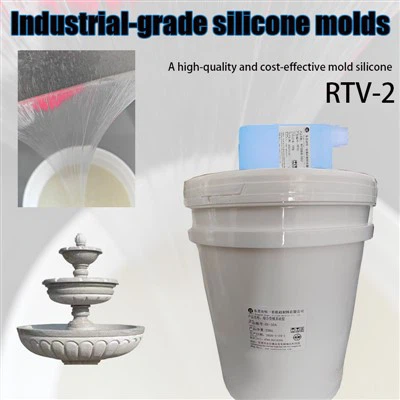
Can RTV - 2 construction silicone be used for creating gaskets?
Hey there! I'm a supplier of RTV - 2 construction silicone, and I often get asked whether this stuff can be used for making gaskets. So, let's dive right into it and break it down.
First off, what's RTV - 2 construction silicone? RTV stands for "Room Temperature Vulcanizing," and the "2" indicates a two - component system. These systems typically consist of a base and a curing agent. When you mix them together, a chemical reaction occurs, and the silicone cures at room temperature to form a rubbery material. This has a bunch of great features like good flexibility, resistance to weathering, and chemical stability.
Now, let's talk about gaskets. Gaskets are designed to create a seal between two surfaces, preventing the leakage of fluids (liquids or gases). They need to have certain properties. For example, they must be able to conform to the shape of the surfaces they're sealing, offer a tight and reliable seal, and be durable enough to withstand the conditions of their application.
Advantages of Using RTV - 2 Construction Silicone for Gaskets
One of the biggest perks of using RTV - 2 construction silicone for gaskets is its flexibility. Once cured, it can bend and stretch without breaking. This is crucial because in many real - world applications, the surfaces that the gasket is sealing may not be perfectly flat or may undergo some movement. The silicone can easily adapt to these changes, maintaining a good seal.
Another advantage is its resistance to different environmental factors. It can handle a wide range of temperatures, from really cold to quite hot. This means that gaskets made from RTV - 2 construction silicone can be used in various settings, whether it's in a freezer or an engine compartment. It also has good resistance to moisture, UV rays, and many chemicals. So, if the gasket is exposed to water, sunlight, or certain industrial chemicals, it's not going to deteriorate quickly.
Ease of use is also on the plus side. With a two - component system, you just mix the base and the curing agent in the right ratio, apply it to where you need the gasket, and let it cure. You don't need any fancy equipment or high - temperature curing processes. This makes it a great option for both small - scale DIY projects and larger industrial applications.
Limitations of Using RTV - 2 Construction Silicone for Gaskets
However, it's not all sunshine and rainbows. There are some limitations to using RTV - 2 construction silicone for gaskets. One issue is the curing time. Depending on the specific product and the environmental conditions (like temperature and humidity), it can take several hours or even days for the silicone to fully cure. This can be a problem if you need to get the equipment or system up and running quickly.


Another limitation is the strength. While RTV - 2 construction silicone is flexible, it may not be as strong as some other materials commonly used for gaskets, like rubber or metal. In high - pressure applications, the silicone gasket might not be able to withstand the force without deforming or failing.
Applications Where RTV - 2 Construction Silicone Gaskets Work Well
Despite the limitations, there are plenty of situations where RTV - 2 construction silicone gaskets are a great choice. In the automotive industry, they can be used for small - scale sealing applications, such as around sensors or in non - critical engine components. The ability to handle temperature changes and resist oil and other automotive fluids makes them suitable for these areas.
In the building construction industry, RTV - 2 construction silicone gaskets can be used for sealing joints and gaps in doors, windows, and other building elements. They can help prevent air and water leakage, improving the energy efficiency of the building.
Comparing with Other Gasket Materials
Let's take a quick look at how RTV - 2 construction silicone stacks up against other common gasket materials.
Rubber gaskets are very strong and have good sealing properties. They're often used in high - pressure and high - temperature applications. However, they may not be as flexible as silicone in some cases, and they can be more difficult to install and form into complex shapes.
Metal gaskets are extremely strong and can handle very high pressures and temperatures. But they're also heavy, expensive, and require precise machining to ensure a proper seal.
RTV - 2 construction silicone offers a balance between flexibility, ease of use, and cost - effectiveness. It may not be the best choice for every application, but in many cases, it can provide a reliable sealing solution.
Tips for Using RTV - 2 Construction Silicone to Make Gaskets
If you decide to use RTV - 2 construction silicone for gaskets, here are some tips to get the best results. First, make sure the surfaces you're applying the silicone to are clean and dry. Any dirt, oil, or moisture can affect the adhesion and the quality of the seal.
Mix the base and the curing agent thoroughly. Use an appropriate mixing ratio as specified by the manufacturer. Inaccurate mixing can lead to incomplete curing or poor performance of the gasket.
Apply the silicone evenly. You can use a caulking gun or a brush, depending on the size and shape of the area you're sealing. Make sure to fill the gap completely to ensure a good seal.
Related Products and Resources
If you're interested in learning more about silicone - related products, I've got some useful links for you. Check out Candle silicone mold liquid, which is great for making molds for candles. You might also want to read How To Achieve High Precision And Zero Shrinkage For Perfect Replication? to get more insights on precision molding.
For those looking for high - performance mold - making silicone, High Performance Mold Making Silicone - Tin Cure is worth a look. And if you're curious about the silicone liquid used for making candle molds, head over to The Silicone Liquid Used For Making The Silicone Mold For Candles. Also, Building Silicone Mold Liquid has some great options for construction - related mold - making needs.
Conclusion
So, can RTV - 2 construction silicone be used for creating gaskets? The answer is yes, but with some caveats. It has its advantages like flexibility, environmental resistance, and ease of use, but also some limitations such as curing time and strength. Depending on your specific application, it can be a great solution, especially for lower - pressure and non - critical sealing jobs.
If you're considering using our RTV - 2 construction silicone for your gasket - making needs or have any questions about our products, don't hesitate to reach out. We're here to help you find the best silicone solution for your project. Feel free to contact us for more information and to start a procurement discussion.
References
- Dow Corning, "Silicone Elastomers Technical Guide."
- Wacker Chemie, "RTV - 2 Silicone Products Brochure."