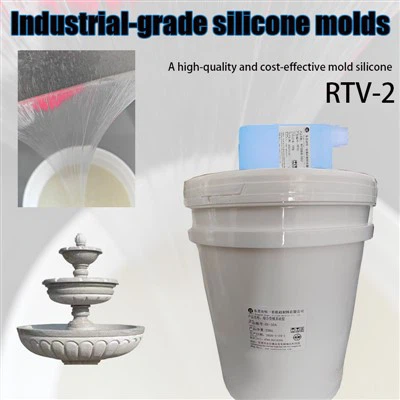
Gypsum silicone liquid is a versatile product that has found its way into various applications across different industries. One common question that arises among our customers and potential users is whether gypsum silicone liquid can be used for sealing joints. In this blog post, as a supplier of gypsum silicone liquid, I will delve into the properties of gypsum silicone liquid, its suitability for joint sealing, and provide insights to help you make an informed decision.
Properties of Gypsum Silicone Liquid
Before discussing its use for joint sealing, it's essential to understand the fundamental properties of gypsum silicone liquid. Gypsum silicone liquid typically consists of a base polymer and a curing agent. When these two components are mixed in the right proportions, a chemical reaction occurs, leading to the formation of a flexible and durable silicone material.
One of the key properties of gypsum silicone liquid is its excellent adhesion. It can adhere well to a variety of substrates, including gypsum, concrete, wood, and metals. This adhesion is crucial for joint sealing, as it ensures that the sealant stays in place and effectively prevents the passage of air, water, and other substances.
Another important property is its flexibility. The cured silicone material can withstand a certain degree of movement and deformation without cracking or losing its sealing properties. This is particularly important for joints that may be subject to expansion and contraction due to temperature changes, structural movements, or other factors.


Gypsum silicone liquid also offers good resistance to weathering, UV radiation, and chemicals. This means that the joint sealant can maintain its performance over an extended period, even when exposed to harsh environmental conditions.
Suitability for Sealing Joints
Based on its properties, gypsum silicone liquid can be a suitable option for sealing joints in many applications. Here are some of the scenarios where it can be effectively used:
Interior Joints
In interior settings, such as in buildings, gypsum silicone liquid can be used to seal joints between gypsum boards, partitions, and other building materials. It provides a seamless and aesthetically pleasing finish while preventing the penetration of dust, air, and moisture. For example, in a commercial office space, sealing the joints between ceiling panels with gypsum silicone liquid can improve the indoor air quality and energy efficiency of the building.
Exterior Joints
When it comes to exterior joints, gypsum silicone liquid can also play a vital role. It can be used to seal joints in facades, balconies, and other external structures. The weather resistance and flexibility of the silicone material make it capable of withstanding the elements and maintaining a reliable seal. For instance, in a coastal area, where buildings are exposed to saltwater, wind, and sunlight, using gypsum silicone liquid to seal joints can protect the building from water damage and corrosion.
Industrial Applications
In industrial settings, gypsum silicone liquid can be used for sealing joints in machinery, equipment, and pipelines. Its chemical resistance and ability to withstand high temperatures make it suitable for use in harsh industrial environments. For example, in a chemical processing plant, sealing the joints in pipes and vessels with gypsum silicone liquid can prevent leaks and ensure the safe operation of the facility.
Considerations When Using Gypsum Silicone Liquid for Joint Sealing
While gypsum silicone liquid has many advantages for joint sealing, there are also some considerations that need to be taken into account:
Surface Preparation
Proper surface preparation is crucial for the success of joint sealing with gypsum silicone liquid. The surfaces to be sealed must be clean, dry, and free of any dust, grease, or loose debris. Any contaminants on the surface can reduce the adhesion of the sealant and compromise its performance. It is recommended to use a suitable cleaner and primer to prepare the surface before applying the gypsum silicone liquid.
Joint Design
The design of the joint also plays an important role in the effectiveness of the sealing. The joint should be designed to accommodate the movement of the adjacent materials and provide enough space for the sealant to be applied and cured properly. The width and depth of the joint should be determined based on the expected movement and the properties of the sealant.
Curing Time
Gypsum silicone liquid requires a certain amount of time to cure fully. The curing time depends on various factors, such as the type of silicone liquid, the temperature, and the humidity. It is important to follow the manufacturer's instructions regarding the curing time and avoid disturbing the sealant during the curing process.
Compatibility
Before using gypsum silicone liquid for joint sealing, it is important to ensure its compatibility with the materials being sealed. Some materials may react with the silicone, causing discoloration, degradation, or other problems. It is recommended to conduct a compatibility test on a small area before applying the sealant to the entire joint.
Related Resources
If you are interested in learning more about silicone products and their applications, here are some useful resources:
- How Should We Choose Silicone?
- Understanding The Parameters Is The Key To Truly Mastering Adhesive Selection.
- Choosing The Wrong Silicone For Cultural Stone Molds Leads To Blurry Textures, Mold Blistering, And Short Lifespan? Try This Industrial-grade Solution.
- Industrial-grade Silicone For Molds
- Condensation Mold Silicone Inks ShoreA 5
Conclusion
In conclusion, gypsum silicone liquid can be a viable option for sealing joints in a wide range of applications. Its excellent adhesion, flexibility, weather resistance, and chemical resistance make it suitable for both interior and exterior joints, as well as industrial applications. However, proper surface preparation, joint design, curing time, and compatibility need to be considered to ensure the effectiveness and longevity of the joint seal.
If you are looking for a high-quality gypsum silicone liquid for your joint sealing needs, we are here to help. As a leading supplier of gypsum silicone liquid, we offer a wide range of products that are designed to meet the diverse requirements of our customers. Feel free to contact us to discuss your specific needs and explore the possibilities of using our gypsum silicone liquid for joint sealing. We are committed to providing you with the best products and services to ensure your satisfaction.
References
[1] Silicone Sealants: A Comprehensive Guide, Silicone Industry Association.
[2] Joint Sealing Technology: Principles and Applications, Construction Sealant Manufacturers Association.
[3] Properties and Performance of Gypsum-Based Materials, Gypsum Association.