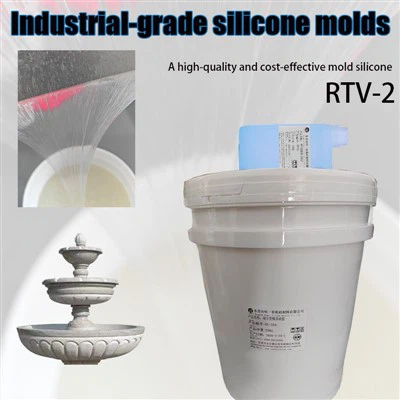
When it comes to the construction industry, silicone liquid is a versatile and widely used material. As a supplier of construction silicone liquid, I understand the importance of using this product safely. In this blog post, I will share some essential safety precautions that should be taken when using construction silicone liquid.


1. Personal Protective Equipment (PPE)
- Gloves: Always wear chemical - resistant gloves when handling construction silicone liquid. Silicone liquid can cause skin irritation, and some formulations may contain chemicals that can be absorbed through the skin. Nitrile or neoprene gloves are good choices as they provide a high level of protection against chemicals.
- Safety Goggles: Protect your eyes from splashes and fumes. Silicone liquid can splash during mixing or application, and the fumes can be irritating to the eyes. Safety goggles with side shields are recommended to ensure full eye protection.
- Respirator: In some cases, especially when working in poorly ventilated areas, a respirator may be necessary. Some silicone liquids emit fumes during the curing process, and inhaling these fumes can cause respiratory problems. A respirator with appropriate filters can help prevent the inhalation of harmful substances.
- Protective Clothing: Wear long - sleeved shirts and long pants to protect your skin from direct contact with the silicone liquid. If possible, choose clothing made of a material that is resistant to chemicals.
2. Handling and Storage
- Read the Label: Before using any construction silicone liquid, carefully read the product label. The label contains important information such as the composition of the product, safety precautions, and handling instructions. Follow the instructions on the label precisely to ensure safe use.
- Mixing: When mixing the silicone liquid with a curing agent, use the correct ratio as specified by the manufacturer. Incorrect mixing can lead to improper curing, which may affect the performance of the silicone and can also be dangerous. Use clean mixing containers and tools to avoid contamination.
- Storage: Store construction silicone liquid in a cool, dry place away from direct sunlight and heat sources. Keep the containers tightly closed to prevent evaporation and contamination. Do not store silicone liquid near flammable or combustible materials, as some silicone products may be flammable or have flammable components.
3. Ventilation
- Well - Ventilated Area: Always use construction silicone liquid in a well - ventilated area. Good ventilation helps to disperse fumes and prevent the buildup of harmful concentrations of chemicals in the air. If working indoors, open windows and doors or use exhaust fans to ensure proper air circulation.
- Outdoor Use: If possible, perform the application of silicone liquid outdoors. This provides the best ventilation and reduces the risk of inhaling fumes. However, be aware of weather conditions, as extreme temperatures or high humidity can affect the curing process of the silicone.
4. Fire and Explosion Safety
- Flammability: Some construction silicone liquids may be flammable or have flammable components. Keep away from open flames, sparks, and heat sources during the handling and application of silicone liquid. Do not smoke in the area where silicone liquid is being used.
- Static Electricity: Static electricity can generate sparks, which may ignite flammable silicone liquids. To prevent static buildup, use anti - static equipment and grounding devices when handling the product.
5. First Aid
- Skin Contact: If silicone liquid comes into contact with your skin, immediately wash the affected area with plenty of soap and water. Remove any contaminated clothing. If skin irritation persists, seek medical attention.
- Eye Contact: In case of eye contact, flush your eyes with clean water for at least 15 minutes. Keep your eyes open during the flushing process. Seek immediate medical attention.
- Inhalation: If you inhale fumes from the silicone liquid, move to a well - ventilated area immediately. If you experience difficulty breathing, coughing, or other respiratory symptoms, seek medical help.
6. Compatibility and Chemical Reactions
- Avoid Mixing with Other Chemicals: Do not mix construction silicone liquid with other chemicals unless specifically recommended by the manufacturer. Mixing with incompatible chemicals can cause chemical reactions, which may be dangerous and can also affect the performance of the silicone.
- Surface Compatibility: Before applying the silicone liquid, ensure that the surface is clean, dry, and compatible with the silicone. Some surfaces may react with the silicone, leading to poor adhesion or other problems.
7. Waste Disposal
- Proper Disposal: Dispose of unused silicone liquid, empty containers, and any waste materials according to local environmental regulations. Do not pour silicone liquid down the drain or into the environment, as it can cause pollution.
Related Information
If you are interested in learning more about silicone liquid applications, here are some useful links:
- Condensation Mold Silicone Inks For Veitnam Candles
- How Should The Curing Agent Be Added To Ensure That The Silicone Rubber Has A Long Service Life?
- How To Achieve High Precision And Zero Shrinkage For Perfect Replication?
- The Silicone Liquid Used For Making The Silicone Mold For Candles
- To Create Exquisite Lotus Lantern Molds, Choosing The Right Industrial - grade Mold Silicone Is The Key.
Conclusion
Safety is of utmost importance when using construction silicone liquid. By following these safety precautions, you can minimize the risks associated with handling and using this product. As a supplier, I am committed to providing high - quality construction silicone liquid and ensuring that our customers use it safely. If you have any questions about our products or safety precautions, please feel free to contact us for further information and to discuss your procurement needs.
References
- Manufacturer's product labels and safety data sheets.
- Industry standards and guidelines for the use of construction chemicals.