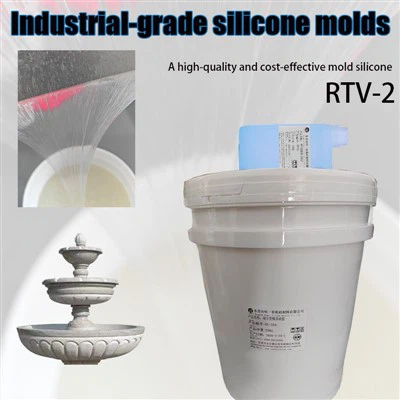
Hey there! As an industrial grade silicone supplier, I'm super stoked to talk about how our awesome product can protect electronic components. Industrial grade silicone is like the unsung hero in the world of electronics, quietly doing its job to keep everything running smoothly.
The Basics of Industrial Grade Silicone
First off, let's understand what industrial grade silicone is. It's a super versatile material that comes in different forms like liquid, rubber, and paste. This stuff is made up of silicon, oxygen, carbon, and hydrogen, and it has some really cool properties. It's highly resistant to heat, cold, water, and chemicals. That's why it's so great for protecting electronic components.
Now, you might be wondering why we even need to protect electronic components. Well, these components are pretty delicate. They can be easily damaged by things like moisture, dust, heat, and mechanical stress. If they get damaged, it can lead to malfunctions, reduced performance, or even complete failure of the electronic device. And that's where industrial grade silicone steps in to save the day.
Protection Against Moisture
One of the biggest threats to electronic components is moisture. When water gets into the components, it can cause corrosion, short circuits, and other problems. Industrial grade silicone forms a waterproof barrier around the components, preventing moisture from getting in.
For example, in outdoor electronic devices like solar panels, traffic lights, and weather stations, moisture can be a real problem. Our Industrial-grade Silicone For Molds can be used to seal the joints and connections in these devices, keeping the water out. It also has good adhesion properties, so it sticks well to different surfaces and doesn't come off easily.
Thermal Protection
Heat is another enemy of electronic components. When components get too hot, they can overheat and stop working properly. Industrial grade silicone has excellent thermal stability, which means it can withstand high temperatures without breaking down.
We can use Silicone Liquid For Molds as a thermal interface material. It can be applied between the electronic component and the heat sink. This helps to transfer heat away from the component more efficiently, keeping it at a safe operating temperature. For instance, in computer processors, where a lot of heat is generated, using silicone as a thermal interface can improve the performance and lifespan of the processor.
Protection Against Dust and Particles
Dust and other small particles can also cause problems for electronic components. They can get into the tiny spaces between the components and cause short circuits or block the airflow. Industrial grade silicone can be used to create a protective seal around the components, preventing dust and particles from getting in.
In industrial environments, where there's a lot of dust and debris, electronic devices need extra protection. Our silicone products can be used to seal enclosures and connectors, keeping the internal components clean and safe.
Mechanical Protection
Electronic components can be damaged by mechanical stress, such as vibrations, shocks, and impacts. Industrial grade silicone has good elasticity and shock absorption properties. It can act as a cushion, absorbing the energy from these mechanical forces and protecting the components.
For example, in automotive electronics, where the devices are exposed to constant vibrations from the engine and the road, using silicone to encapsulate the components can prevent them from getting damaged. The Condensation Mold Silicone Inks ShoreA 5 can be used to create a flexible and protective coating around the components.


Chemical Resistance
Electronic components can also be affected by chemicals in the environment. Things like acids, bases, solvents, and oils can corrode the components and damage their functionality. Industrial grade silicone is highly resistant to a wide range of chemicals.
In chemical plants or laboratories, where electronic devices are exposed to various chemicals, our silicone products can be used to protect the components. The Silicone For Large-scale Stone Buildings can be used to create a chemical-resistant barrier around the devices, preventing them from being damaged by the chemicals.
Why Is Condensation Type Mold Silicone A Great Option?
You might be asking why condensation type mold silicone is often the ideal choice. Well, Why Is Condensation Type Mold Silicone The Ideal Choice For Concrete Art? It has some unique advantages. It has a relatively low viscosity, which means it can easily flow into the small spaces around the electronic components. It also cures at room temperature, which is convenient and cost-effective.
When it cures, it forms a flexible and durable rubber-like material that can provide long-lasting protection. It's also non-toxic and has good electrical insulation properties, which are important for electronic applications.
Working with Industrial Grade Silicone
Working with industrial grade silicone is pretty straightforward. It usually comes in two parts: a base and a curing agent. You just need to mix them together in the right ratio, and then apply the mixture to the electronic components.
The curing time can vary depending on the type of silicone and the environmental conditions. But generally, it takes a few hours to a day for the silicone to fully cure. Once it's cured, you have a strong and protective layer around your components.
Conclusion
In conclusion, industrial grade silicone is an essential material for protecting electronic components. It offers protection against moisture, heat, dust, mechanical stress, and chemicals. Whether it's for small electronic devices in consumer products or large industrial equipment, our silicone products can provide the reliable protection you need.
If you're looking for high-quality industrial grade silicone to protect your electronic components, we're here to help. We've got a wide range of products that can meet your specific needs. Feel free to reach out and start a conversation about your requirements. We're always happy to help you find the best solution for your electronic protection needs.
References
- "Silicone Rubber: Properties, Processing, and Applications" by John D. MacKnight
- "Handbook of Electronic Packaging Materials" by C. P. Wong