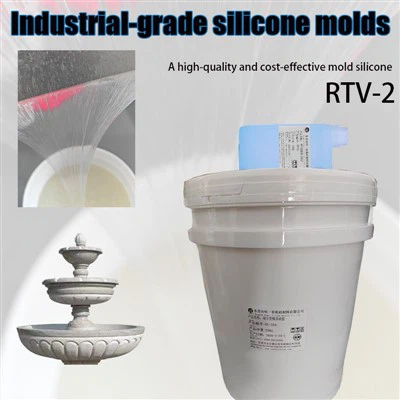
Mold silicone has become a popular material in various crafting and industrial applications, leading many to wonder if it can be used for making figurines. As a supplier of high - quality mold silicone, I am here to explore this topic in detail, providing both scientific facts and practical insights.
Properties of Mold Silicone
Mold silicone is a type of elastomer known for its exceptional flexibility, durability, and heat resistance. These properties make it an ideal candidate for creating detailed and complex molds. The flexibility allows the silicone to capture even the most intricate details of a master model, and the durability ensures that the mold can be reused multiple times without significant wear and tear.
The heat - resistant nature of mold silicone is also crucial, especially when dealing with materials like wax or resin that require heating during the figurine - making process. For example, if you are using a molten wax to fill the mold, the silicone can withstand the heat without deforming, ensuring that the final figurine maintains its shape and details.
Advantages of Using Mold Silicone for Figurines
1. High - Detail Reproduction
One of the most significant advantages of using mold silicone for making figurines is its ability to reproduce fine details. Whether it's the texture of fabric, the lines on a face, or the intricate patterns on a costume, mold silicone can capture all these details with high precision. This is because silicone has a very low viscosity when it is in its liquid form, allowing it to flow easily into every nook and cranny of the master model.
2. Easy Demolding
Silicone has a non - stick surface, which makes it extremely easy to demold the figurines once they are cured. Unlike some other mold materials, you don't need to use a lot of release agents, and the figurines can be removed from the mold without damaging either the mold or the figurine. This not only saves time but also reduces the risk of ruining the final product.
3. Reusability
Mold silicone molds can be used repeatedly. After each use, you can clean the mold and prepare it for the next casting. This makes it a cost - effective option in the long run, especially for those who plan to make multiple figurines of the same design.
Types of Mold Silicone for Figurines
There are different types of mold silicone available in the market, and each type has its own characteristics and is suitable for different applications. For more information on the different types of silicone molds, you can visit What Are The Different Types Of Silicone Molds?.
1. Addition - Cured Silicone
Addition - cured silicone is known for its high precision, low shrinkage, and excellent chemical resistance. It is often used for making high - end figurines where the details are of utmost importance. This type of silicone cures rapidly and has a long shelf life, making it a popular choice among professional figurine makers.
2. Condensation - Cured Silicone
Condensation - cured silicone is more affordable and easier to work with. It is suitable for beginners and small - scale figurine production. However, it has a slightly higher shrinkage rate compared to addition - cured silicone, which may affect the accuracy of the final figurine. You can find more about condensation - type silicone rubber, such as Silicone used for making glassware molds and Candle silicone mold liquid.
The Process of Making Figurines with Mold Silicone
1. Creating a Master Model
The first step in making figurines with mold silicone is to create a master model. This can be a 3D - printed model, a carved sculpture, or any other object that you want to replicate. The quality of the master model will directly affect the quality of the final figurine, so it is important to ensure that it is well - crafted and has all the desired details.
2. Preparing the Mold Silicone
Once you have the master model, you need to prepare the mold silicone. This usually involves mixing two components of the silicone according to the manufacturer's instructions. The ratio of the components and the mixing time are crucial for ensuring proper curing of the silicone.
3. Creating the Mold
Place the master model in a container and pour the prepared silicone over it. Make sure to remove any air bubbles from the silicone using a vacuum chamber or a heat gun. Let the silicone cure for the recommended time. Once cured, carefully remove the master model from the silicone mold.
4. Casting the Figurine
After the mold is ready, you can cast the figurine. You can use various materials such as resin, wax, or plaster to fill the mold. Once the casting material is cured, carefully remove the figurine from the mold.
Challenges and Considerations
1. Silicone Selection
Selecting the right type of silicone is crucial for successful figurine making. As mentioned in The Mold Production Failed. 90% Of The Reason Was That The Wrong Type Of Silicone Was Chosen., using the wrong type of silicone can lead to issues such as excessive shrinkage, poor detail reproduction, and difficulty in demolding. Understanding the specific requirements of your project and the properties of different silicones is essential. For more on adhesive selection parameters, refer to Understanding The Parameters Is The Key To Truly Mastering Adhesive Selection.
2. Air Bubbles
Air bubbles can be a common problem when working with mold silicone. They can cause defects in the mold and the final figurine. To avoid air bubbles, it is important to properly degas the silicone before pouring it over the master model.


Conclusion
In conclusion, mold silicone can indeed be used for making figurines, offering numerous advantages such as high - detail reproduction, easy demolding, and reusability. However, it is important to understand the properties of different types of silicone, follow the correct procedures, and address the potential challenges.
If you are interested in purchasing high - quality mold silicone for your figurine - making projects, I encourage you to reach out and start a conversation about your specific needs. We are committed to providing you with the best products and support to ensure your success in figurine making.
References
- Manufacturer's guides for different types of mold silicone products.
- Industry reports on the use of silicone in figurine production.