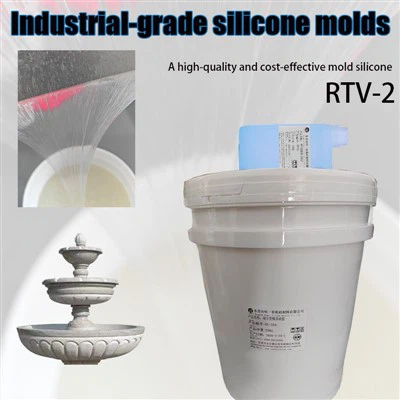
As a supplier of gypsum silicone liquid, I've encountered numerous situations where spills occur, whether it's during transportation, storage, or on - site usage. Cleaning up gypsum silicone liquid spills is not only crucial for maintaining a safe working environment but also for preventing potential damage to materials and equipment. In this blog, I'll share some effective ways to handle these spills.
Understanding the Nature of Gypsum Silicone Liquid
Before diving into the cleanup process, it's essential to understand what gypsum silicone liquid is. Gypsum silicone liquid is a specialized material used in various industries, including mold - making, handicrafts, and construction. It has unique properties such as good fluidity before curing, high flexibility, and excellent adhesion after curing. These properties, however, also pose challenges when it comes to spill cleanup.
Immediate Response to Spills
When a spill occurs, the first step is to take immediate action. The longer the gypsum silicone liquid sits on a surface, the more difficult it becomes to remove, especially as it starts to cure.
- Isolate the Area: As soon as you notice the spill, cordon off the affected area to prevent people from accidentally stepping on it or spreading it further. This can be done using caution tape or cones.
- Wear Protective Gear: Since gypsum silicone liquid might cause skin irritation or other health issues, it's important to wear appropriate protective equipment. This includes gloves, safety goggles, and a respirator if the spill is in a poorly - ventilated area.
Cleaning Up Fresh Spills
If the spill is fresh, meaning the gypsum silicone liquid has not started to cure, the cleanup process is relatively straightforward.
- Absorb the Liquid: Use absorbent materials such as paper towels, rags, or specialized absorbent pads. Gently press these materials onto the spill to soak up as much of the liquid as possible. Be careful not to spread the liquid further while doing this.
- Scrape Residue: After absorbing the majority of the liquid, there may still be some residue left on the surface. Use a plastic scraper or a putty knife to carefully scrape off the remaining gypsum silicone liquid. Make sure to scrape in one direction to avoid smearing.
- Clean the Surface: Once the bulk of the spill has been removed, clean the surface with a mild detergent and warm water. This will help to remove any remaining traces of the liquid and prevent it from leaving a stain. Rinse the surface thoroughly with clean water and dry it using a clean cloth.
Dealing with Cured Spills
If the gypsum silicone liquid has already cured, the cleanup process becomes more complex.
- Mechanical Removal: You can try to physically remove the cured gypsum silicone using tools such as a chisel, a hammer, or a grinder. However, this method should be used with caution as it may damage the underlying surface. Start by gently chipping away at the edges of the cured silicone to loosen it from the surface.
- Chemical Solvents: There are some chemical solvents that can be used to dissolve cured gypsum silicone. However, it's important to choose a solvent that is compatible with the surface where the spill occurred. For example, acetone can be effective in dissolving some types of silicone, but it may damage certain plastics or painted surfaces. Before using any solvent, test it on a small, inconspicuous area to ensure it doesn't cause any damage.
- Heat Treatment: In some cases, applying heat can make the cured gypsum silicone more pliable and easier to remove. You can use a heat gun or a hair dryer to heat the cured silicone. Be careful not to overheat the surface or ignite any flammable materials in the vicinity. Once the silicone has softened, you can try to peel it off or scrape it away.
Special Considerations for Different Surfaces
- Concrete and Floors: For spills on concrete floors, the immediate absorption and scraping methods mentioned earlier work well. If there are stubborn residues after the initial cleanup, you can use a concrete cleaner or a degreaser. Rinse the floor thoroughly to prevent any residue from the cleaner from causing a slippery surface.
- Metal Surfaces: When dealing with spills on metal, be cautious when using mechanical tools as they may scratch the surface. Chemical solvents can be a good option, but make sure to choose one that does not corrode the metal. After cleaning, apply a protective coating to prevent rusting.
- Plastic and Rubber: Plastic and rubber surfaces are more sensitive to solvents. Test any cleaning agent on a small area first. If possible, use gentle methods like warm water and mild soap. Avoid using sharp tools that could damage the surface.
Preventing Future Spills
To minimize the risk of future spills, proper handling and storage procedures should be implemented.
- Training: Provide comprehensive training to employees on how to handle gypsum silicone liquid safely. This includes how to pour, transfer, and store the liquid without spills.
- Good Storage Practices: Store gypsum silicone liquid in sealed containers in a cool, dry place. Make sure the containers are placed on stable shelves or pallets to prevent them from tipping over.
- Use Spill - Prevention Equipment: Consider using spill - containment trays, funnels, and other spill - prevention devices. These can catch small spills before they spread.
Importance of Correct Spill Cleanup
Cleaning up gypsum silicone liquid spills correctly is not only about aesthetics and preventing damage to surfaces. Incorrect cleanup can lead to health hazards for workers, especially if the liquid is inhaled or comes into contact with the skin. Additionally, proper cleanup ensures that the environment is protected from potential contamination.
Related Resources
If you want to learn more about gypsum silicone liquid and related products, I recommend checking out the following resources:
- Understanding The Parameters Is The Key To Truly Mastering Adhesive Selection.
- How Should We Choose Silicone?
- Condensation Mold Silicone Inks For Lotus Candles
- Silicone used for making glassware molds
- To Create Exquisite Lotus Lantern Molds, Choosing The Right Industrial - grade Mold Silicone Is The Key.
Conclusion
Cleaning up gypsum silicone liquid spills is a task that requires knowledge, proper equipment, and immediate action. By understanding the nature of the liquid, following the appropriate cleanup steps, and taking preventive measures, you can effectively manage spills and maintain a safe working environment. If you have any questions about our gypsum silicone liquid products or need further advice on spill cleanup, feel free to reach out for a purchase negotiation. We are committed to providing high - quality products and support to our customers.


References
- General knowledge within the gypsum silicone industry.
- Safety data sheets (SDS) of gypsum silicone liquid products.