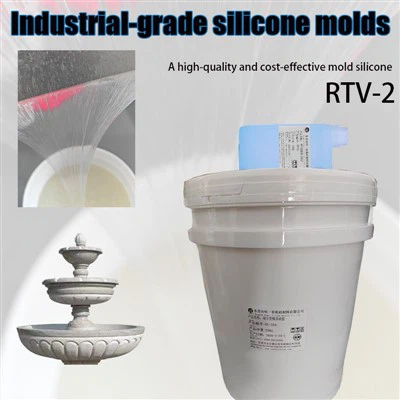
RTV - 2 (Room Temperature Vulcanizing - 2 component) construction silicone is a popular choice in the construction industry due to its excellent sealing, bonding, and weather - resistance properties. However, ensuring its long - term durability is crucial for maintaining the integrity of construction projects. As a supplier of RTV - 2 construction silicone, I have in - depth knowledge and insights on how to improve its durability. In this blog, I will share some effective strategies and scientific principles to address this issue.
Understanding the Basics of RTV - 2 Construction Silicone
Before diving into the methods of improving durability, it's essential to understand what RTV - 2 construction silicone is. It is a two - component silicone rubber system that cures at room temperature. The base component and the curing agent are typically mixed in a specific ratio. Once mixed, a chemical reaction occurs, leading to the formation of a flexible, rubbery material with various beneficial properties such as high flexibility, good adhesion to different substrates, and resistance to UV radiation, moisture, and temperature variations [1].


Selecting High - Quality Raw Materials
The quality of the raw materials used in the production of RTV - 2 construction silicone plays a fundamental role in determining its durability. When sourcing raw materials, we always make sure to work with reliable suppliers. The silicone polymers, cross - linking agents, and additives should meet strict quality standards. For example, using high - molecular - weight silicone polymers can enhance the mechanical strength and heat resistance of the final product. High - quality cross - linking agents ensure a well - structured polymer network, which contributes to better chemical stability and resistance to external factors [2].
Optimizing the Formulation
Formulation is a key factor in improving the durability of RTV - 2 construction silicone. The right balance of ingredients can significantly enhance its performance. Firstly, choosing the appropriate cross - linking density is crucial. A higher cross - linking density generally leads to better chemical and mechanical stability. However, too high a density can make the silicone brittle and prone to cracking. We need to find the optimal cross - linking density based on the specific application requirements.
Secondly, the addition of suitable additives can improve the durability of RTV - 2 construction silicone. For instance, adding antioxidants can protect the silicone from oxidation, which is a common cause of material degradation over time. UV stabilizers can enhance its resistance to ultraviolet radiation, preventing the silicone from yellowing, cracking, or losing its mechanical properties when exposed to sunlight. Flame retardants can be added to improve fire safety if the application requires it [3].
Proper Storage of RTV - 2 Construction Silicone
Even with high - quality raw materials and an optimized formulation, improper storage can significantly reduce the durability of RTV - 2 construction silicone. Our company always provides detailed storage instructions to our customers. RTV - 2 construction silicone should be stored in a cool, dry place away from direct sunlight and heat sources. The storage temperature should be within the recommended range, usually between 5°C and 30°C. Exposure to high temperatures can accelerate the curing process prematurely, reducing the shelf - life and potentially affecting the quality of the product when it is eventually used. Additionally, the containers should be tightly sealed to prevent moisture ingress, as moisture can cause the silicone to cure or degrade [4].
Correct Application Techniques
The way RTV - 2 construction silicone is applied also has a significant impact on its durability. Workers should be properly trained in the application process. Firstly, the substrate surface must be clean, dry, and free of dirt, oil, and other contaminants. This ensures good adhesion between the silicone and the substrate. Any loose particles or contaminants can create weak points in the bond, leading to premature failure.
Secondly, the two components of the RTV - 2 silicone must be mixed thoroughly. Inadequate mixing can result in uneven curing and inconsistent properties throughout the material. This can weaken the structure of the silicone and reduce its durability. When applying the silicone, the correct thickness should be maintained. Too thin a layer may not provide sufficient protection or reinforcement, while too thick a layer can cause problems such as slow curing and internal stress [5].
Regular Maintenance and Inspection
After the application of RTV - 2 construction silicone, regular maintenance and inspection are essential for maintaining its durability. Periodic inspections can detect any signs of damage, such as cracks, peeling, or discoloration, at an early stage. If any damage is found, appropriate repair measures can be taken promptly. For example, small cracks can be filled with fresh silicone, while more significant damage may require the removal and replacement of the affected area.
In addition, some maintenance activities can extend the lifespan of the silicone. For instance, cleaning the silicone surface regularly can remove dirt, pollutants, and other substances that may degrade the material over time. Using mild cleaning agents and soft brushes can prevent scratching the silicone surface, which could compromise its integrity [6].
Relevant Case - Studies and Website References
When dealing with RTV - 2 construction silicone, it's also valuable to look at some real - world examples and further information. For more details on condensation - type mold silicone, you can visit Condensation Mold Silicone. This page provides in - depth knowledge about the specific type of silicone that is relevant to many construction applications.
If you have encountered problems in the mold production process, such as failed attempts, the article The Mold Production Failed. 90% Of The Reason Was That The Wrong Type Of Silicone Was Chosen can offer some insights into the possible causes and solutions.
For applications in the Vietnamese candle industry, Condensation Mold Silicone Inks For Veitnam Candles demonstrates how RTV - 2 construction silicone can be used effectively in creating high - quality molds.
When it comes to creating exquisite lotus lantern molds, the key lies in choosing the right industrial - grade mold silicone, as explained in To Create Exquisite Lotus Lantern Molds, Choosing The Right Industrial - grade Mold Silicone Is The Key.
Lastly, Building Silicone Mold Liquid offers more information about the use of silicone in building applications, which is closely related to the durability of RTV - 2 construction silicone.
Conclusion and Invitation for Contact
In conclusion, improving the durability of RTV - 2 construction silicone involves multiple aspects, from raw material selection and formulation optimization to proper storage, correct application techniques, and regular maintenance. By following these strategies, construction projects can benefit from the long - lasting performance of RTV - 2 construction silicone, reducing the need for frequent repairs and replacements.
As a professional supplier of RTV - 2 construction silicone, we are committed to providing high - quality products and technical support. If you are interested in our RTV - 2 construction silicone products, or if you have any questions about improving the durability of silicone in your specific applications, please feel free to contact us for further discussion and potential purchasing negotiations.
References
[1] Brown, J. M. (2018). Silicone Elastomers: A Comprehensive Technology Handbook. Elsevier.
[2] Smith, R. L. (2019). Polymer Science and Engineering Principles. Wiley.
[3] Johnson, S. D. (2020). Additives in Polymer Materials: Functionality and Performance. CRC Press.
[4] Williams, C. E. (2017). Storage and Handling of Chemical Products. McGraw - Hill.
[5] Miller, A. T. (2021). Application Techniques for Construction Sealants and Adhesives. ASTM International.
[6] Thompson, R. M. (2016). Maintenance and Inspection of Construction Materials. Taylor & Francis.