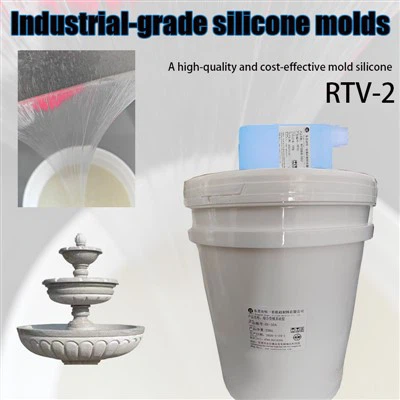
Hey there! I'm an artisanal silicone supplier, and I often get asked about how to store this amazing material properly. Artisanal silicone is a versatile and high - quality product, and the way you store it can significantly impact its performance and lifespan.
First off, let's talk about why proper storage matters. Artisanal silicone is sensitive to various environmental factors. If it's not stored correctly, it can lose its properties, dry out, or even get contaminated. This can lead to sub - par results when you use it for your projects, whether it's making molds for candles, figurines, or other craft items.
Storage Conditions
Temperature
The ideal temperature for storing artisanal silicone is between 50°F (10°C) and 77°F (25°C). Extreme temperatures can have a negative effect on the silicone. If it gets too cold, the silicone can become stiff and difficult to work with. On the other hand, if it's stored in a very hot environment, it might start to cure prematurely or degrade.
For example, if you live in a place with harsh winters, don't leave your silicone in an unheated garage. The cold can cause the silicone to thicken and become less pliable. In the summer, avoid storing it in a hot attic or a car under the sun.
Humidity
Humidity is another crucial factor. Silicone can absorb moisture from the air, which can affect its curing process and overall quality. A relative humidity level of around 40% - 60% is best. In a very humid environment, the silicone might take longer to cure or develop a sticky surface. In a dry environment, it could dry out and crack.
You can use a dehumidifier in areas with high humidity or a humidifier in dry areas to maintain the right humidity level. If you're storing the silicone in a sealed container, you can also add a desiccant packet to absorb any excess moisture.
Light
Exposure to direct sunlight or strong artificial light can also damage artisanal silicone. UV rays can break down the chemical structure of the silicone, causing it to become brittle and change color. So, it's best to store your silicone in a dark place, like a closet or a storage cabinet.
Container Selection
Choosing the right container for storing artisanal silicone is essential. Airtight containers are a must. They prevent air, moisture, and dust from getting in and spoiling the silicone.
Plastic containers with tight - fitting lids are a popular choice. They are lightweight, affordable, and come in various sizes. You can also use glass containers, which are more durable and less likely to react with the silicone. However, they are heavier and more prone to breakage.
Make sure the container is clean before you put the silicone in it. Any dirt or residue in the container can contaminate the silicone.
Storage for Different Types of Artisanal Silicone
Liquid Silicone
Liquid silicone, such as Silicone Liquid For Molds, is often used for making molds. It should be stored in its original container if possible, as it's designed to keep the product fresh. If you need to transfer it to another container, make sure the new container is clean and airtight.
Keep the liquid silicone away from any sources of heat or direct sunlight. Stir the liquid silicone gently before use to ensure a consistent texture.
Pre - cured Silicone
Pre - cured silicone, like High Performance Mold Making Silicone - Tin Cure, is already in a solid or semi - solid state. It can be stored in a cool, dry place. Wrap it in plastic wrap or place it in a sealed bag to prevent it from drying out.
If you have a large piece of pre - cured silicone, you can cut it into smaller pieces for easier storage and use.
Silicone for Specific Applications
Silicone for Candle Molds
The The Silicone Liquid Used For Making The Silicone Mold For Candles has specific storage requirements. Since it's used for food - safe applications (as candles are often in living spaces), it's crucial to keep it clean and free from contaminants.

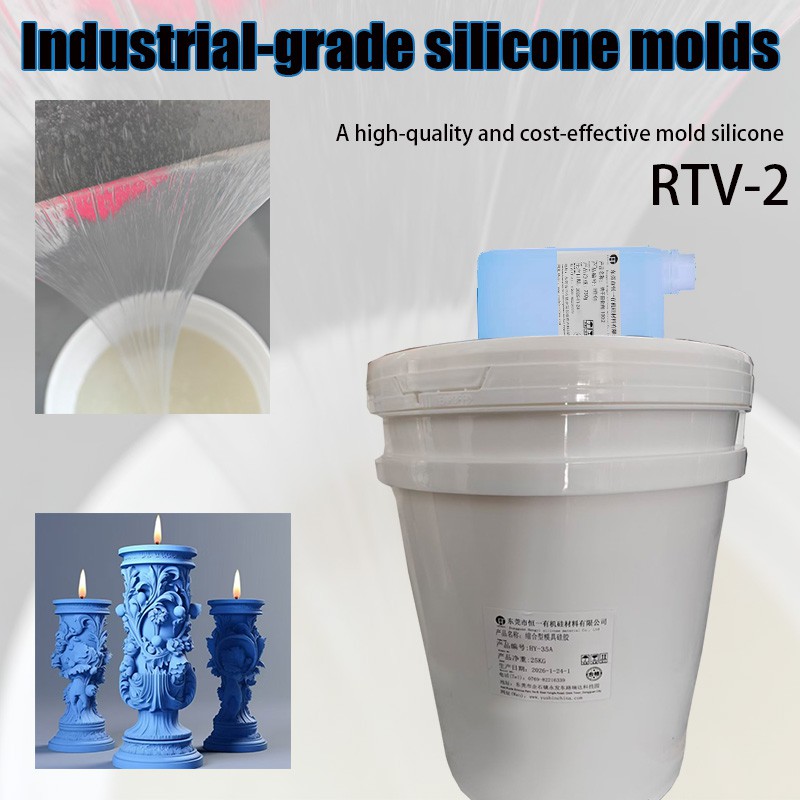
Store it in a clean, airtight container away from any strong odors, as it can absorb them. Also, make sure to label the container clearly to avoid confusion with other types of silicone.
Preventing Contamination
Contamination can ruin your artisanal silicone. To prevent it, always use clean tools when handling the silicone. Wash your hands thoroughly before touching the silicone to avoid transferring oils, dirt, or bacteria.
If you're using a mixing container for the silicone, wash it thoroughly after each use. Avoid using containers that have been used for other substances, as they might leave residues that can affect the silicone.
Long - Term Storage
If you need to store artisanal silicone for a long time, it's even more important to follow the proper storage guidelines. You can consider vacuum - sealing the silicone to remove as much air as possible. This helps to prevent oxidation and degradation.
Check on your stored silicone periodically. Look for any signs of changes in texture, color, or smell. If you notice any issues, it's best to discard the silicone to avoid using a sub - standard product.
Conclusion
Storing artisanal silicone properly is not rocket science, but it does require attention to detail. By controlling the temperature, humidity, and light, choosing the right container, and preventing contamination, you can ensure that your silicone stays in top condition for a long time.
If you're in the market for high - quality artisanal silicone, I'm here as your supplier. Whether you need it for small - scale craft projects or large - scale industrial applications, I can provide you with the right product. Feel free to reach out for more information or to discuss your specific needs. Let's work together to bring your creative ideas to life!
References
- General knowledge on silicone properties and storage from industry experience.
- Research on silicone chemistry and best storage practices from relevant scientific literature.