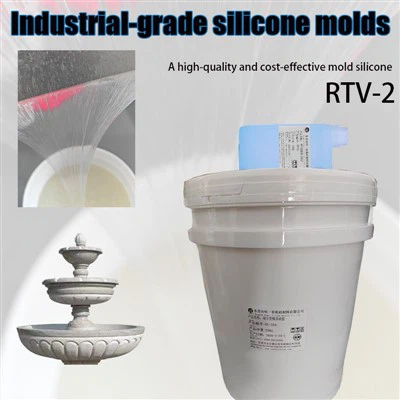
As a supplier of condensation type silicone, I understand that proper cleaning and maintenance of this material are crucial for its performance and longevity. Condensation type silicone is widely used in various applications, including mold making, due to its excellent flexibility, heat resistance, and durability. In this blog post, I'll share some effective methods on how to clean up condensation type silicone, along with some general tips for its maintenance.
Understanding Condensation Type Silicone
Before diving into the cleaning process, it's important to have a basic understanding of condensation type silicone. This type of silicone cures through a condensation reaction, where a by - product such as alcohol or water is released during the curing process. It is commonly used in industries to create molds for casting various materials, including resin, wax, and plaster.
Condensation type silicone can become dirty over time due to the accumulation of dust, debris, and residues from the materials being cast. Regular cleaning not only keeps the silicone in good condition but also ensures the quality of the molds produced.
Cleaning Methods for Condensation Type Silicone
1. Dry Cleaning
The first step in cleaning condensation type silicone is often dry cleaning. Use a soft, dry brush, such as a makeup brush or a small artist's brush, to gently brush away loose dust and debris from the surface of the silicone. This method is particularly useful for removing large particles without causing any damage to the silicone.
For more stubborn dust that is stuck in the crevices of the silicone mold, you can use compressed air. Hold the can of compressed air at a safe distance from the silicone and use short bursts to blow away the dust. Be careful not to use too strong a blast of air, as this could potentially damage the silicone.
2. Wet Cleaning
If dry cleaning is not sufficient, wet cleaning can be employed. Prepare a mild cleaning solution by mixing a small amount of mild dish soap with warm water. Make sure the dish soap is free of harsh chemicals such as bleach or ammonia, as these can damage the silicone.
Dip a soft sponge or cloth into the soapy water and gently wipe the surface of the silicone. For molds with detailed features, use a soft - bristled toothbrush to clean the intricate areas. Make sure to reach all the nooks and crannies to remove any hidden dirt or residue.
After wiping the silicone with the soapy water, rinse it thoroughly with clean water. You can do this by holding the silicone under running water or by using a spray bottle filled with clean water. Make sure to remove all the soap residue from the silicone surface, as any leftover soap can affect the performance of the silicone in subsequent casting processes.
3. Using Specialized Cleaners
In some cases, especially when dealing with stubborn stains or residues, specialized silicone cleaners can be used. These cleaners are formulated specifically for cleaning silicone materials and are often more effective than regular household cleaners.
Before using a specialized cleaner, it's important to test it on a small, inconspicuous area of the silicone to ensure that it does not cause any discoloration or damage. Follow the instructions on the cleaner carefully, and usually, you will need to apply the cleaner to the silicone, let it sit for a certain period of time, and then wipe it off with a clean cloth.


Tips for Maintaining Condensation Type Silicone
- Proper Storage: When the silicone is not in use, store it in a cool, dry place away from direct sunlight. Exposure to high temperatures and sunlight can cause the silicone to degrade over time.
- Avoid Contact with Sharp Objects: Sharp objects can puncture or scratch the silicone, which can lead to reduced performance and a shorter lifespan. Handle the silicone with care and use appropriate tools during the casting and cleaning processes.
- Regular Inspection: Regularly inspect the silicone for any signs of damage, such as cracks or tears. If any damage is found, it should be repaired as soon as possible to prevent further deterioration.
Related Information
- How Should The Curing Agent Be Added To Ensure That The Silicone Rubber Has A Long Service Life? This link provides valuable information on the proper addition of curing agents to enhance the service life of silicone rubber.
- Choosing The Wrong Silicone For Cultural Stone Molds Leads To Blurry Textures, Mold Blistering, And Short Lifespan? Try This Industrial - grade Solution. If you are involved in cultural stone mold making, this link offers insights into choosing the right silicone to avoid common problems.
- Industrial - grade Silicone For Molds Here, you can learn more about industrial - grade silicone for molds, which is often high - performance and suitable for various industrial applications.
- Understanding The Parameters Is The Key To Truly Mastering Adhesive Selection. This link emphasizes the importance of understanding parameters when selecting adhesives for silicone.
- How To Achieve High Precision And Zero Shrinkage For Perfect Replication? If high - precision and zero - shrinkage replication is your goal, this link can provide useful guidance on silicone mold selection.
Contact for Purchasing
If you are in the market for high - quality condensation type silicone or have any questions regarding our products, please feel free to contact us for a purchase negotiation. We are committed to providing you with the best products and services to meet your specific needs.
References
- Silicone Rubber Handbook: This handbook provides in - depth knowledge about silicone rubber, including its properties, applications, and maintenance.
- Industrial Silicone Manufacturing Journals: These journals contain up - to - date research and industry practices related to industrial silicone, which is helpful for understanding the cleaning and maintenance of condensation type silicone.