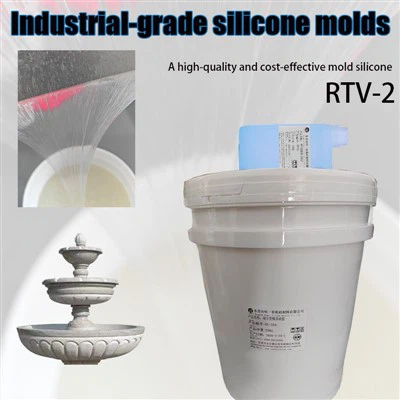
Making DIY handmade silicone figurines is a super fun and creative activity. Whether you're into making unique gifts or just want to express your artistry, silicone figurines are definitely a cool option. As a DIY handmade silicone supplier, I'm here to share some tips and tricks on how you can make these awesome figurines right at home.
Getting the Right Materials
First off, you'll need to gather your materials. The most important one is, of course, the silicone itself. There are different types of silicone out there, and choosing the right one is crucial. If you pick the wrong type, it could lead to issues like The Mold Production Failed. 90% Of The Reason Was That The Wrong Type Of Silicone Was Chosen.


For making figurines, you'll want a high - quality silicone. We offer products like High Performance Mold Making Silicone - Tin Cure and Industrial - grade Silicone For Molds. These silicones are great because they are flexible, durable, and can capture even the tiniest details of your design.
Besides silicone, you'll also need a mold. You can either buy a pre - made mold or create your own. If you're feeling extra creative, making your own mold is a blast. And if you're into making cultural - looking figurines, our Cultural stone mold silicone liquid is perfect for creating molds with that unique texture.
You'll also need some tools like mixing cups, stirrers, and a release agent to make sure your figurine comes out of the mold easily.
Preparing the Silicone
Once you've got your materials, it's time to prepare the silicone. Most silicone products come in two parts: a base and a catalyst. You'll need to mix these two parts together in the right ratio. Usually, the instructions on the product will tell you exactly how much of each to use.
It's really important to mix the silicone thoroughly. Any unmixed parts can cause the silicone to cure unevenly, and your figurine might end up with weak spots or not cure at all. So, take your time and stir it well. You can use a stirrer to make sure you get into all the corners of the mixing cup.
Making the Mold
If you're making your own mold, there are a few things to keep in mind. First, you need to have a model of the figurine you want to make. This can be a small sculpture or even an existing object. You'll need to place this model in a container that's big enough to hold the silicone mold.
Next, pour the mixed silicone into the container around the model. Make sure there are no air bubbles in the silicone. You can tap the container gently on a hard surface to get rid of any air bubbles that might be trapped. Let the silicone cure according to the instructions on the product.
Once the silicone has cured, you can carefully remove the mold from the container and take out the model. You'll now have a mold that you can use to make your figurines.
Pouring the Silicone into the Mold
Now that you have your mold, it's time to pour the silicone into it. First, apply a release agent to the inside of the mold. This will make it easier to remove the figurine once it's cured. You can use a spray - on release agent or a brush - on one.
Mix up another batch of silicone as before and pour it slowly into the mold. Try to pour it in a way that it fills the mold completely without creating air bubbles. Again, you can tap the mold gently to get rid of any air bubbles.
Curing and Finishing
Let the silicone cure in the mold. The curing time will depend on the type of silicone you're using. Some silicones cure quickly, while others might take a few hours or even a day. Be patient and don't try to remove the figurine before it's fully cured.
Once the silicone has cured, carefully remove the figurine from the mold. You might need to use a little bit of force, but be careful not to break the figurine or the mold.
After you've removed the figurine, you can do some finishing touches. You can sand it to make the surface smoother, paint it with acrylic paints, or add other decorations.
Tips and Tricks
- Understanding the parameters: Understanding The Parameters Is The Key To Truly Mastering Adhesive Selection. Different silicones have different properties like curing time, hardness, and flexibility. Knowing these parameters will help you choose the right silicone for your project.
- Storage: Store your silicone products in a cool, dry place to make sure they stay in good condition.
- Safety first: When working with silicone, make sure to wear gloves and work in a well - ventilated area. Some silicones can be toxic if inhaled or come in contact with your skin.
Contact Us for Purchasing
If you're interested in getting high - quality DIY handmade silicone products for your next project, we're here to help. We offer a wide range of silicone products that are perfect for making figurines and other DIY projects. Whether you're a beginner or an experienced crafter, our products will meet your needs. Don't hesitate to reach out to us for more information and to start your next creative venture.
References
- Information about silicone selection and properties were based on general knowledge of the silicone industry and product research.
- The importance of proper curing and handling techniques were derived from practical experience in working with silicone materials.