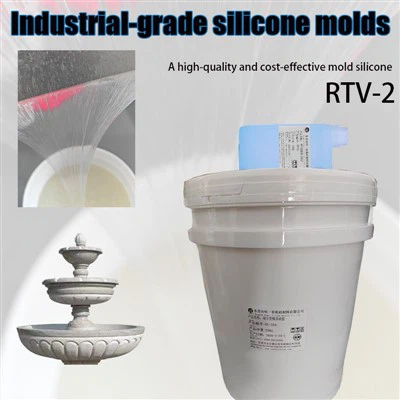
When it comes to creating high - quality molds, one of the most crucial steps is measuring the right amount of mold silicone liquid. As a trusted mold silicone liquid supplier, I've witnessed firsthand how the precision in this process can make or break the final mold. In this blog, I'll share some in - depth knowledge and practical tips on how to accurately measure the appropriate quantity of mold silicone liquid for your mold.
Understanding the Basics of Mold Silicone Liquid
Before delving into the measurement process, it's essential to have a basic understanding of mold silicone liquid. There are different types of silicone liquids available, such as Condensation Mold Silicone Inks For Concrete/Cement. These are specifically formulated for use in concrete and cement applications, offering unique properties like good flexibility and adhesion.
Another type is Condensation Mold Silicone Inks ShoreA 5. The ShoreA 5 rating indicates its hardness, which is relatively soft, making it suitable for molds that require high flexibility and detailed replication.
When choosing the right silicone liquid, you also need to ensure that you don't fall into the trap of using the wrong silicone. As mentioned in Choosing The Wrong Silicone For Cultural Stone Molds Leads To Blurry Textures, Mold Blistering, And Short Lifespan? Try This Industrial - grade Solution., using an inappropriate silicone for a specific mold type can lead to various problems.
Factors Affecting the Amount of Silicone Liquid Required
The amount of mold silicone liquid needed for a mold depends on several factors:
1. Size of the Mold
The most obvious factor is the size of the mold. Larger molds will require more silicone liquid. To calculate the approximate volume of the mold, you can use geometric formulas. For example, if you're creating a rectangular mold, you can use the formula V = l×w×h (length × width × height). For a cylindrical mold, the formula is V=πr²h (where r is the radius and h is the height).


2. Complexity of the Mold
A mold with a more complex design will need a greater amount of silicone liquid. Complex shapes often have undercuts, intricate details, or multiple cavities. These features require additional silicone to ensure full coverage and proper replication. When dealing with complex molds, it's a good idea to add an extra 10 - 20% to your calculated volume to account for these complexities.
3. Type of Pouring Method
The pouring method also affects the amount of silicone liquid needed. For a simple open - pour mold, the calculation is relatively straightforward. However, if you're using a method like encapsulation or pressure pouring, you might need to adjust your quantity. In encapsulation, you need to ensure that the object being encapsulated is completely surrounded by silicone, which may require more liquid.
Step - by - Step Guide to Measuring the Right Amount
1. Measure the Dimensions of the Mold
Use a measuring tape or caliper to accurately measure the length, width, and height of the mold cavity. If the mold has an irregular shape, you can break it down into smaller, more manageable geometric shapes and calculate the volume of each part separately. Then, sum up these volumes to get the total volume of the mold.
2. Consider the Wall Thickness
If you're creating a mold with a specific wall thickness (for example, in a two - part mold), you need to factor this into your calculations. For instance, if you want a 5 - millimeter wall thickness around a rectangular object, you'll need to add 10 millimeters to each dimension (5 millimeters on each side) when calculating the volume of the silicone needed.
3. Calculate the Volume of the Silicone
Based on the measurements and the wall thickness, calculate the volume of the silicone liquid. Remember to use the appropriate geometric formulas as mentioned earlier.
4. Add a Margin of Error
As mentioned before, due to factors like complex shapes and potential spillage, it's wise to add a margin of error. A 10 - 20% increase in the calculated volume is usually a good rule of thumb. This extra amount ensures that you have enough silicone to complete the mold without running out.
Tools for Measuring Mold Silicone Liquid
To measure the mold silicone liquid accurately, you'll need the right tools:
- Graduated Cylinders: These are ideal for measuring small to medium volumes of silicone liquid. They come in various sizes and have markings on the side for easy reading.
- Measuring Cups: For larger volumes, measuring cups can be a practical option. Make sure they are made of a material that is compatible with silicone liquid.
- Scales: If you're working with a silicone system that requires weighing the components, a digital scale is essential. It allows for precise measurement by weight, which can be more accurate in some cases.
Tips for Accurate Measurement
- Read the Manufacturer's Instructions: Different silicone liquids may have specific mixing and measuring instructions. Always read the product manual carefully before starting the measurement process.
- Mix in Small Batches: If you're using a two - part silicone system, it's better to mix in small batches. This way, you can adjust the quantity as needed and avoid wasting excess silicone if you miscalculate.
- Keep a Record: For future reference, keep a record of the measurements and quantities used for each mold. This can help you streamline the process and make more accurate calculations in the future.
Conclusion
Measuring the right amount of mold silicone liquid is a critical step in mold - making. By understanding the factors that affect the quantity, using the right tools, and following a systematic approach, you can ensure that you have the perfect amount of silicone for your mold. Whether you're using Silicone Liquid For Molds or Building Silicone Mold Liquid, precision in measurement will lead to high - quality molds.
If you're in the market for high - quality mold silicone liquid and need more guidance on the measurement process or other aspects of mold - making, feel free to reach out to us for a procurement discussion. We're here to help you achieve the best results with your mold - making projects.
References
- General knowledge of mold - making and silicone usage in industrial applications.
- Product manuals and technical data sheets provided by silicone liquid manufacturers.