Preventing mold silicone liquid from sticking to the master model is a crucial aspect when working with mold - making materials. As a mold silicone liquid supplier, I've dealt with numerous customers facing this sticky situation (pun intended!), and I'm here to share some practical tips and tricks.
First off, let's understand why the mold silicone liquid might stick to the master model. There are a few common reasons. One is that the surface of the master model might be too rough. Silicone can seep into the tiny pores and crevices on a rough surface, making it difficult to remove once it hardens. Another reason could be improper use of release agents. Sometimes, people don't apply enough release agent, or they use the wrong type for the specific master model material and silicone liquid. Also, if the mixing ratio of the silicone components is off, it can lead to a chemical reaction that causes the silicone to adhere more strongly to the master model.
Surface Preparation of the Master Model
The first step in preventing sticking is getting the surface of the master model in top - notch condition. If the model is made of wood, sand it down until the surface is smooth. You can start with a coarse - grit sandpaper and then move on to a finer one. This will reduce the number of pores where the silicone can get stuck. For plastic models, use a mild abrasive to polish the surface.
If you're using a resin master model, a similar process applies. Sanding will give you a smoother finish and lower the chances of the Resin mold silicone liquid sticking. And don't forget to clean the surface thoroughly. Dust, grease, and fingerprints can all contribute to sticking. You can use a mild detergent and water to clean the model, then dry it completely before applying any release agents.
Choosing the Right Release Agent
Release agents are like the secret weapon in preventing silicone from sticking. There are different types of release agents available, and choosing the right one depends on the material of the master model and the type of silicone liquid.
For general use, a silicone - based release agent is a great option. They're easy to apply and work well with most types of master models and silicone liquids. You can spray or brush the release agent onto the master model. Make sure to apply an even coat, and don't forget the hard - to - reach areas.
If you're working with a master model made of metal, a wax - based release agent might be more suitable. Wax creates a smooth, slippery surface that the silicone can't easily adhere to. Apply the wax in thin layers, buffing each layer until it's shiny.
For more complex or delicate master models, you might want to consider using a PVA (polyvinyl alcohol) release agent. PVA forms a thin film on the surface of the model, which can be easily peeled off along with the cured silicone.


Mixing the Silicone Liquid Correctly
Proper mixing of the mold silicone liquid is essential. Most silicone liquids come in two parts: a base and a catalyst. You need to mix them in the correct ratio as specified by the manufacturer. Using a digital scale can help you get the ratio right.
When mixing, use a clean container and a stir stick. Stir slowly and thoroughly to ensure that the two components are evenly combined. Air bubbles can also cause problems, so after mixing, you may want to use a vacuum chamber to remove the bubbles. This will give you a better - quality mold and reduce the risk of sticking.
Cooling and Demolding
Once the silicone has been poured onto the master model, you'll need to let it cure. The curing time can vary depending on the type of silicone liquid. During the curing process, try to keep the temperature stable. A sudden change in temperature can cause the silicone to contract or expand unevenly, which might increase the chance of sticking.
When it's time to demold, be patient. Gently loosen the edges of the cured silicone from the master model using a plastic or wooden tool. Don't try to force it off, as this can damage both the mold and the master model. If you notice that the silicone is still sticking in some areas, you can use a bit more release agent and let it sit for a while before trying again.
Different Applications and Their Considerations
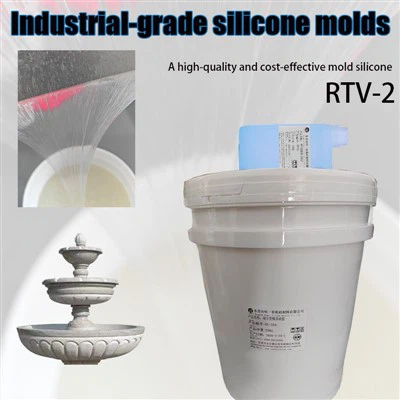
- Industrial Applications: For industrial use, such as with Industrial - grade Silicone For Molds, the requirements are often more strict. The master models are usually larger and more complex. You might need to apply multiple layers of release agent and use a more precise mixing method. Also, industrial molds often need to be made in a shorter time, so proper temperature control during curing is crucial.
- Stone Building Applications: When working on Silicone For Large - scale Stone Buildings, the master models are heavy and have unique surface textures. You'll need to pay extra attention to surface preparation. Sanding and cleaning the stone surface can be a time - consuming process, but it's worth it to prevent sticking. You may also need a more heavy - duty release agent to handle the weight and texture of the stone.
- Craft Applications: For creating things like lotus lantern molds, as in To Create Exquisite Lotus Lantern Molds, Choosing The Right Industrial - grade Mold Silicone Is The Key., the master models are often more delicate. Use a gentle release agent and be very careful during the demolding process to avoid damaging the intricate details of the mold.
- Building Applications: Building Silicone Mold Liquid is used for different building - related molds. The master models can be made of various materials, such as concrete or plaster. Depending on the material, choose the appropriate release agent and surface preparation method.
Conclusion
Preventing mold silicone liquid from sticking to the master model is a multi - step process that involves proper surface preparation, choosing the right release agent, mixing the silicone correctly, and careful demolding. By following these tips, you can create high - quality molds with ease.
If you're in need of top - notch mold silicone liquid for your projects, whether it's for industrial, craft, or building applications, I'm here to help. We offer a wide range of silicone liquids suitable for different needs. Drop us a message, and we can have a chat about your requirements. Let's work together to make your mold - making projects a success!
References
- "Mold - Making Basics" by Smith, J.
- "Silicone Technology for Beginners" by Johnson, A.