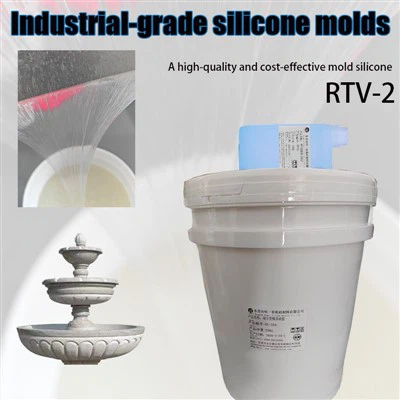
Hey there! As a supplier of silicone mold liquid, I know how frustrating it can be to deal with air bubbles in your molds. Air bubbles can ruin the finish of your castings, making them look unprofessional and reducing their overall quality. But don't worry, I'm here to share some tips and tricks on how to remove air bubbles from silicone mold liquid effectively.
Understanding Why Air Bubbles Form
First things first, let's talk about why air bubbles form in silicone mold liquid in the first place. There are a few reasons for this. When you mix the silicone components, air can get trapped in the mixture. Also, pouring the liquid too quickly can cause air to be incorporated. Even the environment can play a role; if it's too cold, the silicone may thicken and trap air more easily.
Pre - Mixing Preparation
Before you even start mixing the silicone mold liquid, there are a few steps you can take to minimize air bubble formation. Make sure all your equipment, like mixing cups and stirrers, are clean and dry. Any moisture or debris can cause problems.
Another important thing is to let your silicone components reach room temperature. Cold silicone is more viscous, which means it's harder for air bubbles to escape. So, take them out of storage a bit in advance and let them sit at room temperature.
Mixing Techniques
Now, let's get to the mixing part. This is where a lot of air bubbles can get introduced. When you're mixing the base and the catalyst of the silicone, do it slowly and gently. Use a flat - bottomed stirrer and scrape the sides and bottom of the mixing cup regularly. This helps to ensure that all the components are evenly mixed without creating too much turbulence.
A great technique is the "folding" method. Instead of swirling the stirrer around in circles, kind of fold the silicone over itself. This reduces the amount of air that gets mixed in. And don't over - mix! Once the components are well - combined, stop. Over - mixing can actually introduce more air.
Degassing the Silicone
One of the most effective ways to remove air bubbles from silicone mold liquid is degassing. You can do this using a vacuum chamber. Place your mixed silicone in a container that can fit in the vacuum chamber. As you lower the pressure in the chamber, the air bubbles in the silicone will expand and rise to the surface.
It's important to note that you need to be careful with the degassing process. If you lower the pressure too quickly, the silicone can foam up and overflow. So, start by slowly reducing the pressure and watch the silicone closely. Once all the bubbles have risen to the surface, hold the vacuum for a few minutes to make sure all the air is removed. Then, slowly let the air back into the chamber.
If you don't have a vacuum chamber, there are some alternative methods. You can try using a heat gun on a low setting to gently warm the silicone. The heat can make the silicone less viscous, allowing the air bubbles to rise more easily. Just be careful not to overheat the silicone, as this can cause it to cure prematurely.
Pouring Techniques
When you're ready to pour the silicone into the mold, do it slowly and steadily. Pour along the side of the mold rather than directly into the center. This helps to prevent air from getting trapped under the silicone. You can also tilt the mold slightly to let the silicone flow in a smooth, controlled way.


If you're working with a large mold, pour in sections. This gives the air more time to escape as the silicone spreads. And after you've poured the silicone, gently tap the mold on a hard surface. This can help to dislodge any remaining air bubbles and make them rise to the surface.
Post - Pour Treatment
After you've poured the silicone into the mold, you can still take steps to remove any lingering air bubbles. You can use a toothpick or a fine - tipped syringe to pop any visible bubbles on the surface. This is a bit of a painstaking process, but it can really improve the finish of your mold.
Another option is to let the silicone sit for a while before it fully cures. Sometimes, air bubbles will naturally rise to the surface over time. Just make sure the environment is stable and there are no drafts that could cause uneven curing.
Using Additives
There are some additives available that can help reduce air bubble formation. These additives can make the silicone more fluid and help the air bubbles escape more easily. However, you need to be careful when using additives. Make sure you follow the manufacturer's instructions carefully, as using too much or the wrong type of additive can affect the curing process and the final properties of the silicone.
Different Types of Silicone Mold Liquids
It's important to note that different types of silicone mold liquids may require slightly different techniques for air bubble removal. For example, Silicone Liquid For Molds may have different viscosity and curing characteristics compared to High Performance Mold Making Silicone - Tin Cure.
If you're working with Condensation Mold Silicone Inks For Veitnam Candles, the ink particles can also affect air bubble behavior. And understanding What Are The Different Types Of Silicone Molds? can help you choose the right silicone and the most appropriate air bubble removal method.
If you're making glassware molds, Silicone used for making glassware molds has its own unique requirements. You may need to be extra careful with air bubble removal to ensure a smooth and flawless finish.
Conclusion
Removing air bubbles from silicone mold liquid is definitely doable with the right techniques. By following the steps I've outlined here - from pre - mixing preparation to post - pour treatment - you can significantly reduce the number of air bubbles in your molds.
If you have any questions about our silicone mold liquids or need more tips on air bubble removal, don't hesitate to reach out. Whether you're a professional mold - maker or just starting out, we're here to support you. Our team of experts can provide you with the best advice for your specific needs.
So, if you're interested in purchasing high - quality silicone mold liquid or want to discuss your requirements further, get in touch with us. We're looking forward to helping you create perfect molds without those pesky air bubbles.
References
- Silicone Mold Making Handbook
- Industry research on silicone materials and their applications