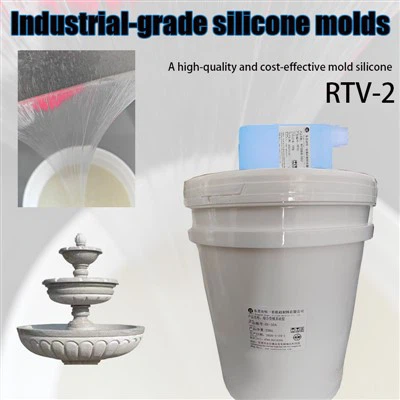
Hey there! As a supplier of two - component silicone, I've seen firsthand how crucial proper storage is for maintaining the quality and performance of this amazing material. In this blog post, I'm gonna share some tips on how to store two - component silicone effectively.
First off, let's understand what two - component silicone is. It's a type of silicone that consists of two parts: a base and a catalyst. When these two parts are mixed together, a chemical reaction occurs, resulting in the curing of the silicone. This makes it great for a wide range of applications, like creating molds for various objects. You can check out Silicone Liquid For Molds to see some of the cool things you can do with it.
Ideal Storage Conditions
Temperature
One of the most important factors in storing two - component silicone is temperature. The ideal temperature range for storing it is between 50°F (10°C) and 77°F (25°C). Extreme temperatures can have a negative impact on the silicone. If it gets too cold, the viscosity of the silicone can increase, making it harder to mix and pour. On the other hand, if it's stored in a very hot environment, the chemical reaction might start prematurely, which can ruin the silicone.
For example, I once had a customer who stored their two - component silicone in a shed during the summer. The shed got really hot, and when they tried to use the silicone later, it had already started to cure in the containers. So, make sure to store your silicone in a place where the temperature is relatively stable.
Humidity
Humidity is another key factor. Two - component silicone is sensitive to moisture. High humidity can cause the silicone to absorb water, which can affect its curing process. It's best to store the silicone in a dry environment. A humidity level of around 40 - 50% is ideal. You can use a dehumidifier in the storage area if necessary.
Light
Exposure to light, especially sunlight, can also be harmful to two - component silicone. Ultraviolet (UV) rays can break down the chemical structure of the silicone over time. So, store your silicone in opaque containers or in a dark area. This will help to preserve its quality for a longer period.


Storage Containers
The type of container you use to store two - component silicone is also important. It's best to use airtight containers made of materials that are compatible with silicone. Plastic containers are a popular choice because they are lightweight and easy to handle. Make sure the containers are clean and dry before you pour the silicone into them.
Also, label the containers clearly with the type of silicone, the date of purchase, and any other relevant information. This will help you keep track of your inventory and ensure that you use the oldest silicone first.
Handling and Mixing
When you're ready to use the two - component silicone, it's important to handle it properly. First, make sure the base and the catalyst are at the same temperature. If they're not, it can affect the mixing process and the final curing of the silicone.
Mix the two components thoroughly according to the manufacturer's instructions. Usually, you'll need to use a mechanical mixer to ensure a homogeneous mixture. Once you've mixed the silicone, use it as soon as possible. Don't let it sit around for too long, as it will start to cure.
Applications and Special Considerations
Two - component silicone has a lot of different applications. For instance, it's great for creating molds for large - scale stone buildings. You can learn more about Silicone For Large - scale Stone Buildings. It can also be used for making cultural stone molds. Check out Cultural stone mold silicone liquid for more details.
However, different applications might have different storage and handling requirements. For example, if you're using the silicone for a high - precision mold, you might need to be even more careful with the storage conditions to ensure the best results.
Shelf Life
The shelf life of two - component silicone can vary depending on the brand and the storage conditions. Generally, if stored properly, it can last for several months to a year. But it's always a good idea to check the manufacturer's recommendations for the specific product you're using.
If you notice any changes in the appearance or consistency of the silicone, such as discoloration or thickening, it might be a sign that the silicone has gone bad. In that case, it's best not to use it.
Conclusion
Proper storage of two - component silicone is essential for maintaining its quality and performance. By following the tips I've shared in this blog post, you can ensure that your silicone stays in good condition for as long as possible.
If you're interested in purchasing two - component silicone for your projects, feel free to reach out. We offer high - quality two - component silicone products that are suitable for a wide range of applications. Whether you're a professional mold maker or a DIY enthusiast, we've got you covered.
References
- Manufacturer's guidelines for two - component silicone products
- Industry best practices for silicone storage and handling