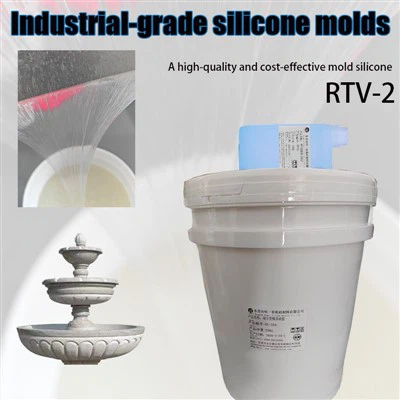
Is gypsum silicone liquid compatible with plaster? That's a question I get asked a lot as a gypsum silicone liquid supplier. In this blog post, I'm gonna break down the science behind this and give you the lowdown on whether these two materials can play nice together.
First off, let's talk about what gypsum silicone liquid and plaster are. Gypsum silicone liquid is a type of silicone that's used in a bunch of different applications, like making molds for candles, glassware, and even large - scale stone buildings. You can check out more about the specific uses here: Condensation Mold Silicone Inks For Veitnam Candles, The Silicone Liquid Used For Making The Silicone Mold For Candles, Silicone For Large - scale Stone Buildings, and Silicone used for making glassware molds.
Plaster, on the other hand, is a building material that's made from gypsum. It's been around for ages and is commonly used for things like wall finishes, casts, and sculptures. It's a pretty versatile material, but when it comes to mixing it with gypsum silicone liquid, things can get a bit tricky.
The compatibility of gypsum silicone liquid and plaster depends on a few factors. One of the main things is the chemical properties of both materials. Gypsum silicone liquid is a polymer, and it has a certain set of chemical reactions that occur during the curing process. Plaster, being made from gypsum, has its own chemical makeup and reactions when it dries and hardens.
In some cases, the two can be compatible. For example, if you're using the gypsum silicone liquid to make a mold for a plaster object, it can work well. The silicone mold can hold the shape of the plaster as it sets, and once the plaster is dry, it can be easily removed from the mold. This is because the silicone has a non - stick property, which allows the plaster to separate cleanly without causing any damage to the mold or the plaster object.
However, there are also situations where compatibility can be an issue. If you try to mix the gypsum silicone liquid directly with plaster, you might run into problems. The silicone can interfere with the setting process of the plaster. The curing agents in the silicone might react with the components in the plaster, causing the plaster to not set properly or to have a weak structure.
Another thing to consider is the surface tension between the two materials. If the surface tension of the gypsum silicone liquid and the plaster is not well - matched, it can lead to poor adhesion or uneven distribution. This can result in a mold that doesn't hold the plaster correctly or a plaster object that has defects.
Now, let's talk about some real - world applications. In the candle - making industry, gypsum silicone liquid is often used to create molds. Plaster can be used to make the master model for the candle mold. In this case, the silicone liquid is poured over the plaster master, and it cures to form a flexible mold. The plaster master can be easily removed, and the silicone mold can then be used to make multiple candles. This shows that in a specific application like this, the two materials can work together effectively.
In the construction of large - scale stone buildings, Silicone For Large - scale Stone Buildings can be used to create molds for decorative plaster elements. The silicone molds can be used to reproduce intricate designs on the plaster, which are then installed on the building. This is another example where the compatibility of gypsum silicone liquid and plaster is put to good use.
But what about when things go wrong? If you notice that the plaster is not setting properly when in contact with the gypsum silicone liquid, or if there are bubbles or other defects in the plaster object, it's a sign that there might be a compatibility issue. You might need to adjust the ratio of the materials, change the type of silicone or plaster you're using, or modify the application process.
One way to test the compatibility is to do a small - scale test. Take a small amount of the gypsum silicone liquid and a small amount of plaster and mix them or use them in a test mold. Observe how the plaster sets and how it interacts with the silicone. This can give you an idea of whether the two materials will work well together in a larger - scale project.
As a gypsum silicone liquid supplier, I've seen a lot of different projects where these materials are used. And while there are challenges, with the right knowledge and approach, you can make them work together. If you're thinking about using gypsum silicone liquid and plaster in your project, I'd be more than happy to help you figure out the best way to do it. Whether you're a hobbyist making candles or a professional in the construction industry, we can work together to ensure that your project is a success.
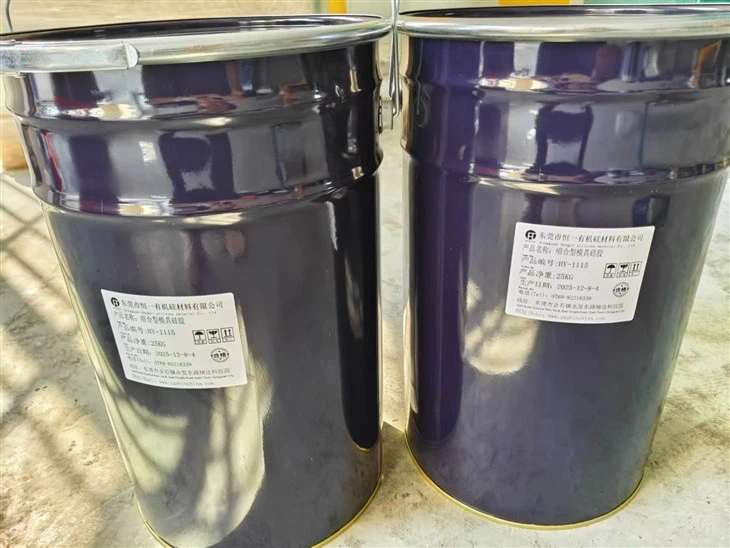

If you're interested in learning more about Condensation Mold Silicone or have any questions about the compatibility of gypsum silicone liquid and plaster, feel free to reach out. I'm here to provide you with the information and support you need to make the right decisions for your project. Whether it's choosing the right type of silicone, understanding the application process, or troubleshooting any issues, I've got you covered.
So, if you're in the market for gypsum silicone liquid and want to know more about how it can work with plaster, don't hesitate to contact me. Let's have a chat and see how we can make your project a reality.
References:
- General knowledge about gypsum, silicone, and their applications in the construction and crafts industries.
- Experience as a gypsum silicone liquid supplier dealing with various projects and customer inquiries.