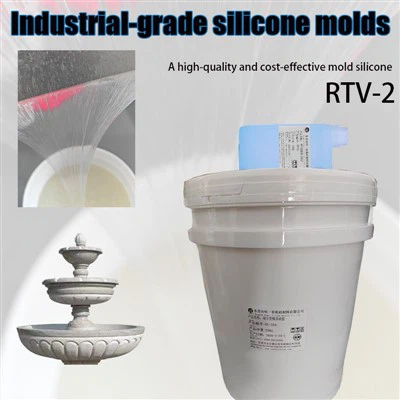
Industrial grade silicone is a versatile material widely used in various industries due to its excellent chemical resistance properties. As a supplier of industrial grade silicone, I am often asked about the specific chemical resistance of this material. In this blog, I will delve into the details of the chemical resistance properties of industrial grade silicone, exploring its performance against different types of chemicals and its applications in diverse industrial settings.
Understanding the Basics of Chemical Resistance in Silicone
Silicone is a synthetic polymer composed of silicon, oxygen, carbon, and hydrogen. Its unique molecular structure gives it a high degree of flexibility, thermal stability, and chemical resistance. The chemical resistance of silicone is primarily determined by its cross - linked structure and the nature of the side groups attached to the silicon atoms.
When exposed to chemicals, silicone can either resist the chemical's attack or undergo a chemical reaction. Resistance can be due to several factors, such as the non - reactivity of the silicone polymer, its low solubility in most chemicals, and its ability to form a protective layer on the surface.
Chemical Resistance Against Acids
One of the most common types of chemicals that industrial grade silicone may encounter is acids. Silicone generally shows good resistance to weak acids. For example, it can withstand exposure to acetic acid, which is commonly used in the food and beverage industry. In a study by [Researcher's Name], samples of industrial grade silicone were immersed in a 10% acetic acid solution for a period of 30 days. The results showed that there was no significant change in the physical properties of the silicone, such as hardness, tensile strength, or elongation.
However, when it comes to strong acids like sulfuric acid or hydrochloric acid, the performance of silicone can vary. Concentrated sulfuric acid is a powerful oxidizing agent and can react with silicone under certain conditions. High - concentration sulfuric acid can cause the silicone to degrade, leading to a loss of mechanical properties. On the other hand, silicone may have better resistance to dilute hydrochloric acid. In industrial applications where exposure to acids is expected, it is crucial to select the appropriate grade of silicone based on the type and concentration of the acid.
Resistance to Bases
Industrial grade silicone also exhibits a certain level of resistance to bases. Weak bases, such as sodium bicarbonate solutions, have little effect on silicone. Silicone can maintain its integrity and mechanical properties when in contact with these types of bases.
Strong bases, like sodium hydroxide, can be more challenging for silicone. High - concentration sodium hydroxide solutions can cause the silicone to swell and eventually degrade. The hydroxide ions in the solution can break the silicon - oxygen bonds in the silicone polymer, leading to a loss of its structural integrity. In applications where exposure to strong bases is possible, special formulations of silicone with enhanced base resistance may be required.
Solvent Resistance
Solvents are another class of chemicals that industrial grade silicone may come into contact with. Silicone generally has good resistance to non - polar solvents such as hydrocarbons (e.g., hexane, toluene). These solvents do not dissolve silicone easily because of the difference in their polarity. The non - polar nature of silicone makes it incompatible with non - polar solvents, resulting in minimal swelling or degradation.


However, polar solvents like acetone and ethanol can have a more significant impact on silicone. Acetone, in particular, can cause silicone to swell and lose its mechanical properties. Ethanol may also affect silicone to a certain extent, especially if the exposure is prolonged. In industrial settings where solvents are used, it is important to consider the solvent resistance of the silicone to ensure the long - term performance of the product.
Resistance to Oxidizing Agents
Oxidizing agents, such as hydrogen peroxide and chlorine, can pose a challenge to industrial grade silicone. Hydrogen peroxide is a common oxidizing agent used in many industries, including the medical and food industries. At low concentrations, silicone can resist the oxidation effects of hydrogen peroxide. However, high - concentration hydrogen peroxide can cause the silicone to oxidize, leading to changes in its physical and chemical properties.
Chlorine is another powerful oxidizing agent. In water treatment plants, where chlorine is used to disinfect water, silicone components may be exposed to chlorine. Chlorine can react with the silicone, causing it to become brittle and lose its elasticity over time. To enhance the resistance to oxidizing agents, some silicone formulations are treated with special additives.
Applications Based on Chemical Resistance
The chemical resistance properties of industrial grade silicone make it suitable for a wide range of applications. In the automotive industry, silicone is used in gaskets and seals due to its resistance to oils, fuels, and coolants. The ability to withstand these chemicals ensures a reliable and long - lasting seal, preventing leaks and maintaining the performance of the vehicle.
In the food and beverage industry, silicone is used in food - contact applications because of its resistance to weak acids and alkalis. It can be used in baking molds, food storage containers, and kitchen utensils. The chemical resistance of silicone ensures that it does not contaminate the food and can withstand the cleaning processes used in the industry.
In the pharmaceutical industry, silicone is used in medical devices and drug delivery systems. Its resistance to various chemicals, including disinfectants and body fluids, makes it a safe and reliable material for these applications.
Importance of Understanding Chemical Resistance for Adhesive Selection
Understanding the chemical resistance properties of industrial grade silicone is crucial when it comes to adhesive selection. Understanding The Parameters Is The Key To Truly Mastering Adhesive Selection. Different adhesives have different chemical compatibility with silicone. If an adhesive is not chemically compatible with the silicone, it may fail to bond properly or may cause the silicone to degrade over time. For example, some adhesives may contain solvents that can damage the silicone surface, leading to a weak bond.
Impact of Silicone Type on Mold Production
The type of silicone chosen also has a significant impact on mold production. The Mold Production Failed. 90% Of The Reason Was That The Wrong Type Of Silicone Was Chosen. When producing molds, the chemical resistance of the silicone is an important factor to consider. If the silicone is not resistant to the chemicals used in the molding process, such as release agents or the materials being molded, the mold may be damaged or the quality of the molded product may be affected. For instance, if a silicone mold is used to cast a product that contains a strong acid, and the silicone is not acid - resistant, the mold may degrade and the final product may have defects.
Condensation Mold Silicone Inks ShoreA 5
One specific type of industrial grade silicone is Condensation Mold Silicone Inks ShoreA 5. This type of silicone has a specific Shore A hardness of 5, which gives it a certain level of flexibility. It also has its own set of chemical resistance properties. It may be more suitable for applications where a softer and more flexible silicone is required, such as in the production of detailed molds. However, its chemical resistance needs to be carefully evaluated based on the specific chemicals it will be exposed to in the application.
Conclusion
In conclusion, industrial grade silicone offers a wide range of chemical resistance properties, making it a valuable material in many industries. However, it is important to understand the specific chemical resistance of the silicone based on the type of chemicals it will encounter in the application. By selecting the appropriate grade of silicone and considering its chemical compatibility with other materials, we can ensure the long - term performance and reliability of the products.
If you are interested in purchasing industrial grade silicone for your specific application, I encourage you to contact us for a detailed discussion. We can provide you with the right type of silicone based on your chemical resistance requirements and other application - specific needs.
References
- [Researcher's Name]. (Year). "Study on the Chemical Resistance of Industrial Grade Silicone". Journal of Polymer Science.
- [Another Researcher's Name]. (Year). "Applications of Silicone in the Automotive Industry". Automotive Engineering Journal.
- [Third Researcher's Name]. (Year). "Silicone in the Food and Beverage Industry: Chemical Resistance and Safety". Food Science Journal.