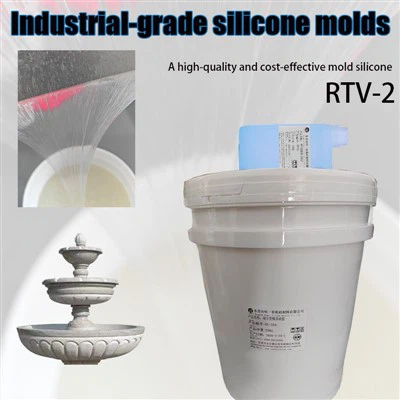
Hey there, DIY enthusiasts! As a supplier of DIY handmade silicone, I know how exciting it is to get your hands dirty and create something unique. But working with silicone also comes with its own set of risks. That's why I'm here to share some safety precautions you should take when working with DIY handmade silicone.


1. Read the Instructions Carefully
Before you start working with silicone, make sure you read the instructions provided by the manufacturer. Each type of silicone may have different mixing ratios, curing times, and safety requirements. Understanding these details is crucial to ensure a successful and safe project.
2. Work in a Well - Ventilated Area
Silicone products can release fumes, especially during the mixing and curing process. These fumes can be harmful if inhaled in large quantities. So, set up your workspace in a well - ventilated area. You can work near an open window or use a fan to circulate the air. This will help disperse the fumes and keep you safe.
3. Wear Protective Gear
Wearing the right protective gear is a must when working with silicone.
- Gloves: Use chemical - resistant gloves to protect your hands from direct contact with the silicone. Silicone can be sticky and may cause skin irritation or allergic reactions in some people. Latex or nitrile gloves are good options.
- Safety Goggles: Protect your eyes from splashes or fumes. Silicone can get into your eyes and cause irritation or more serious damage. So, always wear safety goggles.
- Mask: A respirator mask can help filter out the fumes and particles in the air. This is especially important if you're working with a large amount of silicone or in a confined space.
4. Keep the Workspace Clean
A clean workspace not only makes your project more enjoyable but also reduces the risk of accidents. Keep your tools and materials organized. Wipe up any spills immediately to prevent slips and falls. Also, make sure to clean your tools after each use to prevent cross - contamination and ensure they work properly next time.
5. Mix Silicone Properly
When mixing silicone, follow the recommended mixing ratios. Using the wrong ratio can affect the curing process and the quality of your final product. Use a clean mixing container and a stir stick. Mix the components thoroughly to ensure an even distribution. This will help the silicone cure correctly and give you a better result.
6. Be Careful with Heat
Some silicone products may require heat to cure. If you're using a heat source, be extremely careful. Keep flammable materials away from the heat source. Use a heat - resistant surface to place your silicone project on. And always monitor the temperature to prevent overheating, which can cause the silicone to release more fumes or even catch fire.
7. Store Silicone Properly
Proper storage of silicone is important to maintain its quality and safety. Keep silicone in a cool, dry place away from direct sunlight. Make sure the containers are tightly sealed to prevent air and moisture from getting in. This will help prevent the silicone from curing prematurely or developing mold.
8. Dispose of Waste Correctly
After you're done with your project, don't just throw the leftover silicone and packaging in the regular trash. Check the manufacturer's instructions for proper disposal methods. Some silicone products may be considered hazardous waste and need to be disposed of in a special way.
9. Choose the Right Silicone
Not all silicones are created equal. Different projects may require different types of silicone. You can check out How Should We Choose Silicone? to learn more about choosing the right silicone for your needs. Whether you're making a mold for a lotus lantern or a cultural stone, selecting the appropriate silicone is key. For example, To Create Exquisite Lotus Lantern Molds, Choosing The Right Industrial - grade Mold Silicone Is The Key. And if you're working on a cultural stone project, Cultural stone mold silicone liquid might be what you need.
Conclusion
Working with DIY handmade silicone can be a lot of fun, but it's important to take safety precautions. By following these tips, you can ensure a safe and successful DIY experience. If you have any questions or are interested in purchasing our high - quality DIY handmade silicone products, feel free to reach out to us for a purchase negotiation. We're here to help you bring your creative ideas to life!
References
- General safety guidelines for working with chemicals.
- Manufacturer's instructions for DIY handmade silicone products.