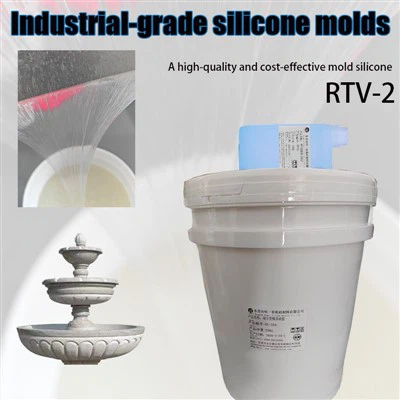
Hey there! As a supplier of RTV-2 construction silicone, I've had my fair share of experiences with this amazing product. And today, I'm super excited to talk about one of its most outstanding features: flexibility.
So, what exactly is the flexibility of RTV-2 construction silicone? Well, let me break it down for you. RTV-2, which stands for Room Temperature Vulcanizing - 2 components, is a type of silicone rubber that cures at room temperature when the base and the catalyst are mixed together. This type of silicone is widely used in the construction industry for a variety of applications, and its flexibility is a game-changer.
Flexibility in Different Applications
Sealing and Joint Filling
One of the primary uses of RTV-2 construction silicone is for sealing and joint filling. In buildings, joints are everywhere - between walls, floors, and ceilings. These joints need to be sealed properly to prevent water leakage, air infiltration, and the entry of dust and pests. The flexibility of RTV-2 silicone allows it to adapt to the movement of the building materials due to factors like temperature changes, vibrations, and settling.
For example, in large - scale stone buildings, the stones can expand and contract with temperature variations. RTV-2 construction silicone can stretch and compress along with the stones without losing its sealing properties. Check out Silicone For Large - scale Stone Buildings to learn more about how it's used in these structures.
Molding
RTV-2 silicone is also a popular choice for molding applications, especially when it comes to cultural stone molds. In the production of cultural stone products, high - quality molds are essential. The flexibility of the silicone allows it to capture every fine detail of the original stone pattern. When the mold is removed from the cast, the flexibility enables it to bend and stretch enough to be separated without damaging the delicate stone texture.
However, choosing the wrong silicone for cultural stone molds can lead to a lot of problems. As described in Choosing The Wrong Silicone For Cultural Stone Molds Leads To Blurry Textures, Mold Blistering, And Short Lifespan? Try This Industrial - grade Solution, the right RTV-2 silicone with proper flexibility can ensure sharp and long - lasting molds.
The Science Behind the Flexibility
The flexibility of RTV-2 construction silicone comes from its chemical structure. Silicone polymers are made up of silicon - oxygen (Si - O) backbones with organic side groups. The Si - O bonds are very strong, but they also have a certain degree of flexibility. The organic side groups can rotate around the Si - O bonds, which gives the silicone chains the ability to move and deform.
When the RTV-2 silicone is in its liquid state (before curing), the polymer chains are free to move and flow. After mixing the base and the catalyst, a chemical reaction occurs, and the polymer chains start to cross - link. This cross - linking forms a three - dimensional network, but the chains within the network still have some mobility, which is what gives the cured silicone its flexibility.
Factors Affecting Flexibility
Temperature
Temperature has a significant impact on the flexibility of RTV-2 silicone. At low temperatures, the polymer chains become less mobile, and the silicone becomes stiffer. On the other hand, at high temperatures, the chains have more energy to move, and the silicone becomes more flexible. In construction applications, it's important to consider the operating temperature range of the silicone. If the temperature drops too low, the silicone may become brittle and crack, losing its sealing or molding properties.
Cure Time and Conditions
The way the RTV-2 silicone is cured also affects its flexibility. If the curing process is too fast, the cross - linking may not occur evenly, which can lead to a less flexible material. Similarly, if the curing conditions are not optimal (e.g., improper humidity or temperature), the final product may have reduced flexibility. For example, in the production of Cultural stone mold silicone liquid, the correct curing time and conditions are crucial to ensure the ideal flexibility for mold making.
Choosing the Right Flexible RTV-2 Silicone
With so many options on the market, how do you choose the right RTV-2 construction silicone with the appropriate flexibility? Well, there are a few things to consider.
Application Requirements
First, think about the specific application. For sealing applications, you need a silicone that can withstand the expected movement of the building joints. If it's for molding, you need a silicone that can capture fine details and be easily removed from the cast. How Should We Choose Silicone? provides some great insights on making the right choice for different applications.


Physical Properties
Look at the physical properties of the silicone, such as its shore hardness, elongation at break, and tensile strength. Shore hardness is a measure of the material's resistance to indentation. A lower shore hardness generally means a more flexible silicone. Elongation at break indicates how much the silicone can stretch before it breaks, and a higher value is usually better for flexible applications.
Compatibility
Make sure the silicone is compatible with the materials it will come into contact with. For example, in construction, it may need to bond well with metals, plastics, or other building materials. Incompatibility can lead to adhesion problems and reduced performance over time.
The Cost - Benefit of Flexible RTV-2 Silicone
While flexible RTV-2 construction silicone may be more expensive than some other sealing or molding materials, it offers significant long - term benefits. In sealing applications, its flexibility means fewer leaks and less maintenance over the life of the building. This can save a lot of money on repairs and energy costs associated with air and water infiltration.
In the case of molding, a high - quality flexible silicone can produce more accurate and long - lasting molds. This reduces the need for frequent mold replacements, which can be costly and time - consuming. As mentioned in The Mold Production Failed. 90% Of The Reason Was That The Wrong Type Of Silicone Was Chosen, choosing the right silicone from the start can prevent costly production failures.
Wrapping Up
In conclusion, the flexibility of RTV-2 construction silicone is a key feature that makes it a top choice in the construction industry. Whether it's for sealing joints in large - scale buildings or creating detailed molds for cultural stone products, its ability to adapt and deform is invaluable.
If you're in the market for RTV-2 construction silicone and want to learn more about choosing the right product for your needs, don't hesitate to reach out. We're here to help you make the best decision and ensure that your construction or molding projects are a success. Let's start a conversation and find the perfect flexible RTV-2 silicone for you!
References
- General knowledge on RTV-2 construction silicone from industry experience.
- Information from related product technical documents.